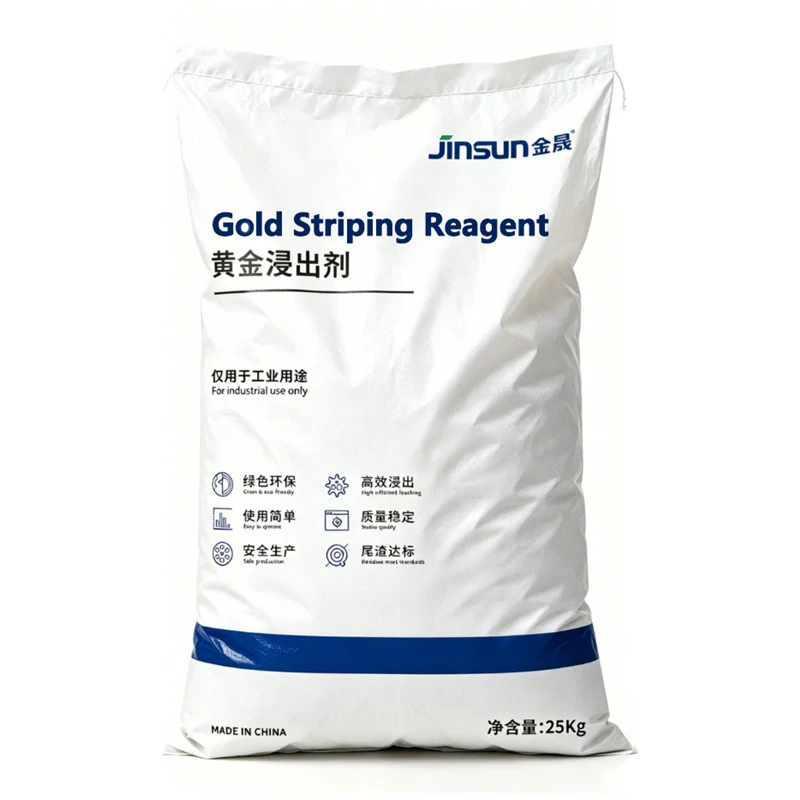

Well, folks! I'm here as a supplier of Gold Striping Reagent, and today we're gonna dig into a super interesting question: Can Gold Striping Reagent be used for detecting small molecules?
First off, let's talk a bit about what Gold Striping Reagent is. It's a pretty cool chemical that we've seen a lot of action in the gold - related industries. We've got other great products too, like the Gold Heap Leaching Reagent, Non Cyanide Gold Extraction Chemical, Gold Ore Dressing Agent, Gold Leaching Auxiliary Agent, and Gold Mining Metallic Ore Dressing Agent. But today, our focus is on the Gold Striping Reagent and its potential for small - molecule detection.
Small molecules are everywhere in our world. They're involved in biological processes, environmental monitoring, and even in some industrial applications. Detecting them accurately and efficiently is crucial in many fields. So, can our Gold Striping Reagent step up to the plate?
How Gold Striping Reagent Works
The basic principle of Gold Striping Reagent is centered around its interaction with gold. It's designed to strip gold from various substrates, and this process is based on chemical reactions that are pretty well - understood. When it comes to small - molecule detection, we need to think about how these small molecules might fit into this existing chemical framework.
Gold Striping Reagent typically contains certain active components that can form complexes with gold. For small - molecule detection, the key idea is whether these small molecules can interfere with or participate in these complex - forming reactions. If they can, then we might be able to use changes in the reaction of the Gold Striping Reagent with gold as a signal to detect the presence of small molecules.
Potential Mechanisms for Small - Molecule Detection
One possible mechanism is competitive binding. Small molecules could potentially compete with the Gold Striping Reagent for binding sites on the gold surface. If a small molecule has a higher affinity for the gold surface than the Gold Striping Reagent, it will displace the reagent. This displacement could lead to changes in the color, conductivity, or other observable properties of the reaction system.
Another mechanism could be chemical modification. Some small molecules might react chemically with the components of the Gold Striping Reagent. For example, if a small molecule is an oxidizing or reducing agent, it could react with the active ingredients in the reagent, altering their chemical state. These changes can also be detected through various analytical techniques.
Advantages of Using Gold Striping Reagent for Small - Molecule Detection
There are several reasons why using Gold Striping Reagent for small - molecule detection could be a good idea. First of all, gold nanoparticles are well - known for their unique optical properties. When the Gold Striping Reagent interacts with gold in the presence of small molecules, these optical properties can change significantly. This change can be easily detected using simple and relatively inexpensive optical instruments, like spectrometers.
Secondly, our Gold Striping Reagent is relatively easy to handle. It doesn't require super - complicated experimental setups or highly specialized equipment. This makes it accessible for a wide range of users, from small - scale research labs to industrial quality - control departments.
Challenges and Limitations
Of course, it's not all sunshine and rainbows. There are some challenges we need to face when considering using Gold Striping Reagent for small - molecule detection. One major issue is specificity. Small molecules come in a huge variety, and it's very difficult to design a Gold Striping Reagent - based detection system that can specifically target one type of small molecule without being affected by others.
Another challenge is sensitivity. Some small molecules might be present in very low concentrations, and the Gold Striping Reagent might not be sensitive enough to detect them. We need to work on improving the reaction conditions and the formulation of the reagent to enhance its sensitivity.
Real - World Applications
If we can overcome these challenges, there are plenty of real - world applications where Gold Striping Reagent - based small - molecule detection could be useful. In the medical field, it could be used to detect biomarkers in blood or other bodily fluids. These biomarkers are often small molecules that can indicate the presence of diseases like cancer or diabetes.
In environmental monitoring, it could be used to detect pollutants or contaminants in water or soil. Many of these pollutants are small molecules, and being able to detect them quickly and accurately is essential for environmental protection.
Research and Development Efforts
At our company, we've been putting in a lot of effort into researching and developing ways to use our Gold Striping Reagent for small - molecule detection. We're experimenting with different formulations of the reagent, trying to find the right balance of active components that can enhance specificity and sensitivity.
We're also collaborating with research institutions to study the fundamental mechanisms of how small molecules interact with the Gold Striping Reagent. This kind of basic research is crucial for us to understand what's going on at the molecular level and make informed decisions about how to improve our products.
Conclusion
So, can Gold Striping Reagent be used for detecting small molecules? The answer is that it has the potential, but there are still some hurdles to overcome. With continued research and development, we're confident that we can make this technology more reliable and useful.

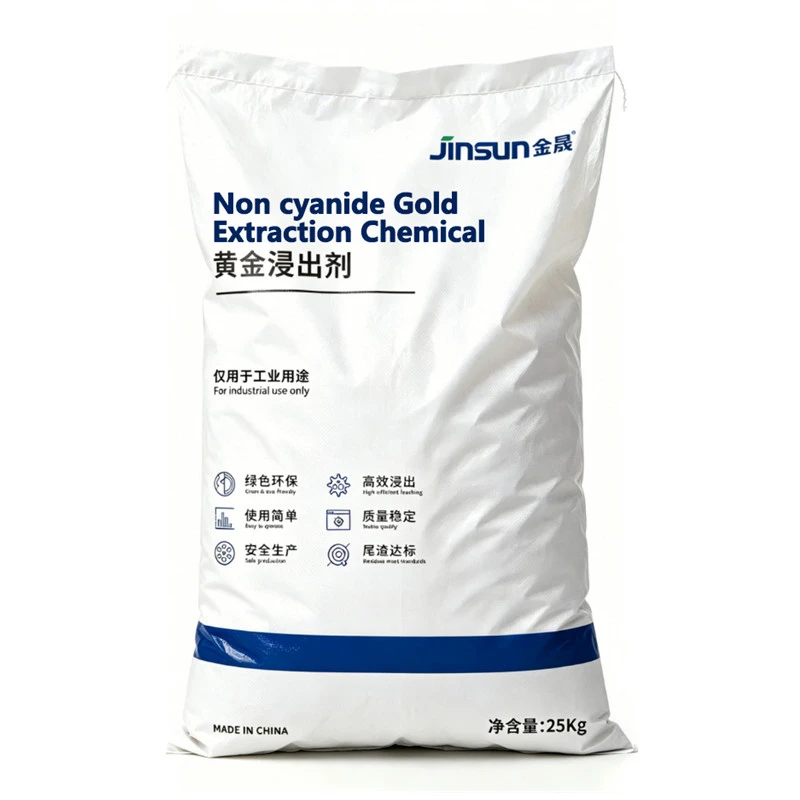
If you're interested in our Gold Striping Reagent or any of our other products like Gold Heap Leaching Reagent, Non Cyanide Gold Extraction Chemical, Gold Ore Dressing Agent, Gold Leaching Auxiliary Agent, and Gold Mining Metallic Ore Dressing Agent, please feel free to reach out to us for a purchase discussion. We're here to help you find the best solutions for your needs.
References
- Smith, J. K. (2018). Gold - based sensor technologies. Sensors Today Press.
- Brown, L. M., & Green, A. R. (2020). Small molecule detection methods: A review. Analytical Science Journal.
- White, P. D. (2019). Chemical reactions of gold striping agents. Chemistry World Publications.