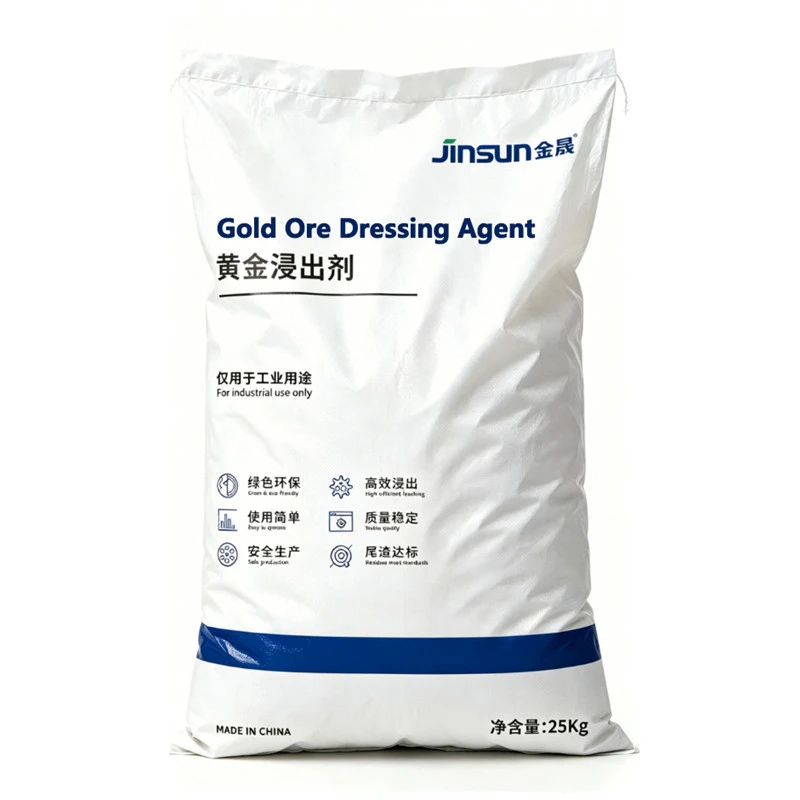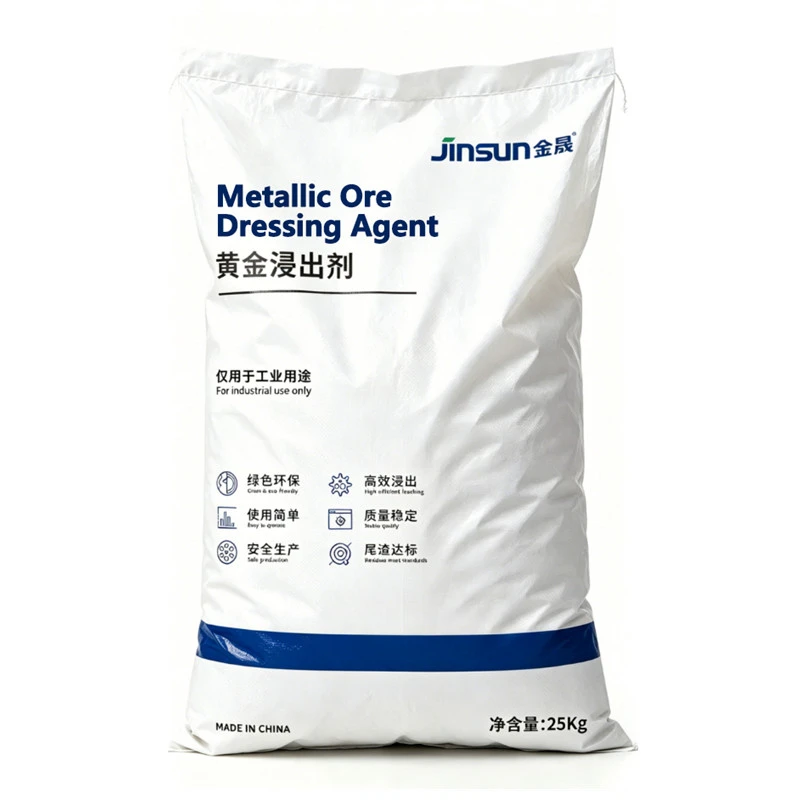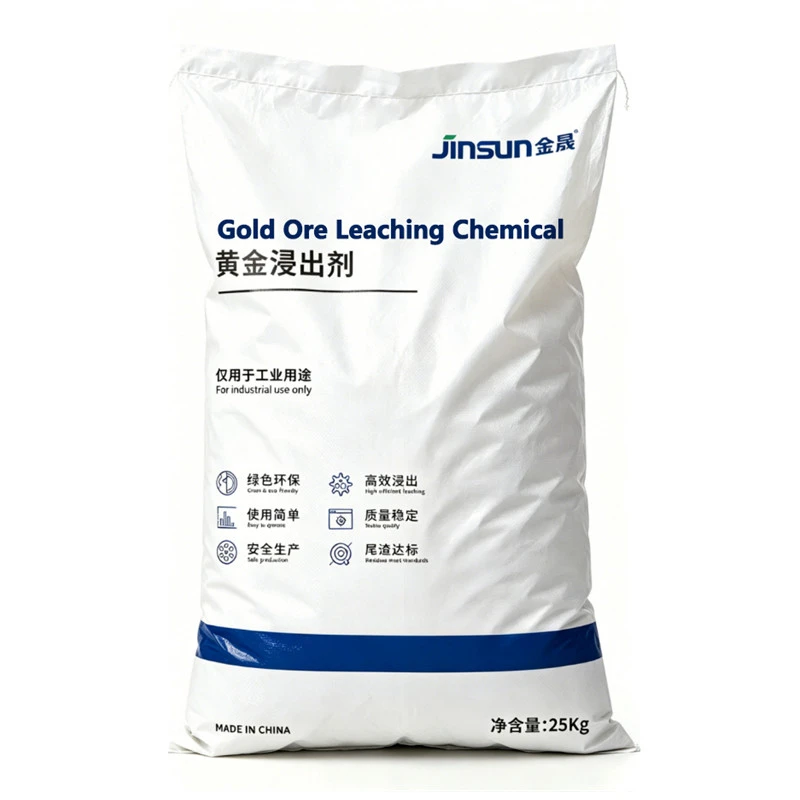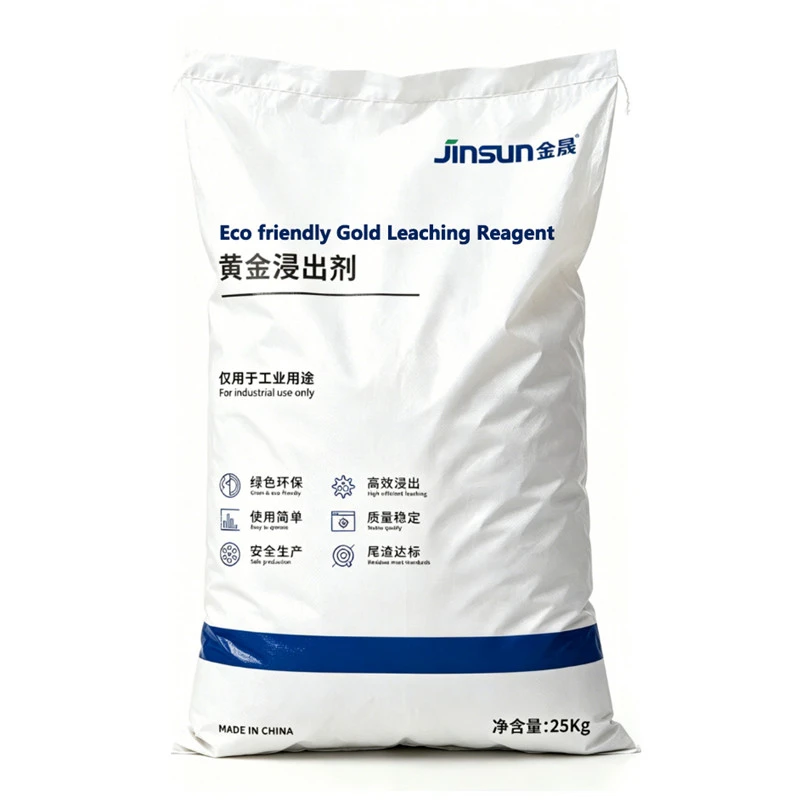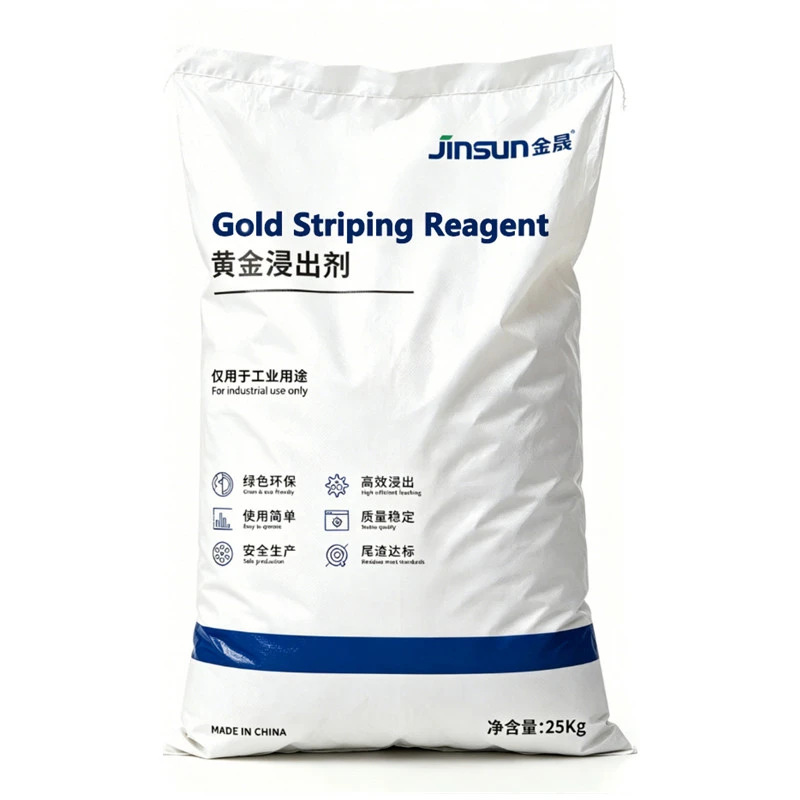

Hey there! I'm a supplier of Eco Gold Leaching Reagent, and today I'm super excited to chat with you about how stirring intensity affects the leaching process using our amazing product.


First off, let's quickly understand what the leaching process is. Leaching is a key step in extracting gold from ore. It involves using a reagent to dissolve the gold from the ore into a solution, so we can later separate and recover it. And that's where our Eco Gold Leaching Reagent comes in. It's an environmentally - friendly alternative to traditional cyanide - based reagents, and it's been getting a lot of love in the industry.
Now, onto the main topic: stirring intensity. Stirring plays a crucial role in the leaching process. When we talk about stirring, we're essentially trying to make sure that the reagent and the ore particles are in constant contact with each other. This contact is essential because it allows the chemical reactions that dissolve the gold to take place.
Low Stirring Intensity
When the stirring intensity is low, there are a few things that happen. First of all, the distribution of the reagent in the leaching tank is not uniform. This means that some parts of the ore might come into contact with a high concentration of the reagent, while other parts might not get enough. As a result, the gold dissolution rate is not consistent throughout the tank.
The low - stirring condition also leads to settling of the ore particles at the bottom of the tank. When the ore particles settle, they form a compact layer. This layer restricts the movement of the reagent, making it difficult for the reagent to reach all the gold - containing particles. In some cases, the gold on the surface of the settled particles might get dissolved, but the gold inside the particles remains untouched because the reagent can't penetrate effectively.
Another issue with low stirring intensity is that it slows down the mass transfer process. Mass transfer is all about the movement of the dissolved gold ions from the surface of the ore particles into the bulk solution. Without proper agitation, the concentration of gold ions around the ore particles builds up, creating a sort of "barrier" that hinders further dissolution. All these factors combined result in a lower gold recovery rate and a longer leaching time when the stirring intensity is low.
High Stirring Intensity
On the other hand, when the stirring intensity is high, things look a lot different. For starters, the reagent is evenly distributed throughout the leaching tank. Every single ore particle gets a fair share of the reagent, which means that the gold dissolution reaction can occur uniformly across the entire batch of ore.
High - speed stirring also prevents the settling of ore particles. The ore particles are kept in suspension, which allows the reagent to have better access to all parts of the particles. This increases the surface area of the ore that is exposed to the reagent, leading to a faster and more efficient gold dissolution process.
The mass transfer process is also greatly enhanced under high - intensity stirring. The rapid movement of the solution helps to quickly carry away the dissolved gold ions from the surface of the ore particles. This prevents the build - up of a high - concentration layer around the particles and keeps the dissolution reaction going at a good pace.
However, it's not all sunshine and rainbows with high stirring intensity. One of the main drawbacks is the increased energy consumption. Operating high - speed stirrers requires a significant amount of power, which can add to the overall cost of the leaching process. Also, if the stirring is too intense, it could cause excessive abrasion of the equipment. The constant agitation can wear down the internal parts of the leaching tank and the stirrer itself, leading to more frequent maintenance and replacement costs.
Finding the Optimal Stirring Intensity
So, how do we find that sweet spot of stirring intensity? Well, there's no one - size - fits - all answer. It depends on a few factors, like the type of ore, the particle size of the ore, and the concentration of the leaching reagent.
For ores with a fine particle size, a relatively lower stirring intensity might be sufficient. Fine particles have a larger surface area, which means they are more reactive and can dissolve more easily. On the other hand, if the ore has a coarse particle size, a higher stirring intensity is often needed to ensure that the reagent can penetrate the particles.
The concentration of the leaching reagent also plays a role. If the reagent concentration is high, you might be able to get away with a lower stirring intensity because there are more reagent molecules available to react with the gold. However, if the reagent concentration is low, a higher stirring intensity can help to maximize the contact between the limited amount of reagent and the ore particles.
Now, I know you might be wondering about our Eco Gold Leaching Reagent specifically. Our product has been formulated to work efficiently across a wide range of stirring intensities. It has a high affinity for gold, which means that even at a moderately low stirring intensity, it can still dissolve a significant amount of gold. But of course, like any other leaching process, increasing the stirring intensity within a reasonable range can further improve the recovery rate and speed up the leaching process.
Why Our Eco Gold Leaching Reagent?
There are several reasons why our Eco Gold Leaching Reagent is a top - choice for many mining operations. As I mentioned earlier, it's environmentally friendly. Traditional cyanide - based reagents are extremely toxic and can cause serious harm to the environment and human health. Our reagent is much safer, and it complies with strict environmental regulations.
It also offers excellent gold recovery performance. Whether you're dealing with different types of gold ores, our reagent can effectively dissolve the gold. And when paired with the right stirring intensity, you can expect even better results.
If you're in the market for other related products, we also have Gold Striping Reagent, Environmental Gold Dressing Agent, Metallic Ore Dressing Agent, Gold Ore Processing Reagent, and Environmentally Friendly Gold Dressing Agent. These products are all designed to work in harmony with the leaching process and help you optimize your gold extraction operations.
Time to Talk Business
If you're interested in learning more about our Eco Gold Leaching Reagent or any of our other products, we'd love to hear from you. We can provide you with more information, samples, and even technical support to help you find the best solution for your specific needs. Whether you're a small - scale miner or a large - scale mining operation, we're here to assist you every step of the way.
So, don't hesitate to reach out for a chat. Let's discuss how we can improve your gold leaching process with our top - notch reagents and get you on the path to higher gold recoveries and better profits.
References
- Smith, J. (2018). "The Impact of Stirring on Metallurgical Leaching Processes." Journal of Mining Science.
- Johnson, M. (2020). "Eco - Friendly Reagents in Gold Extraction." Mining Technology Review.
- Brown, K. (2019). "Optimizing Stirring Conditions for Gold Leaching." Minerals Engineering Quarterly.