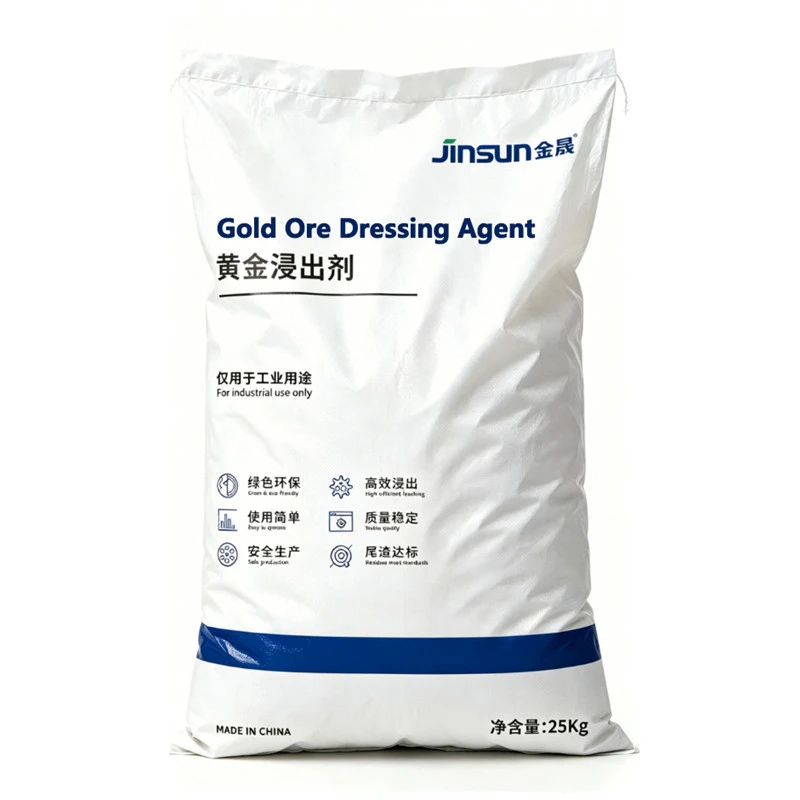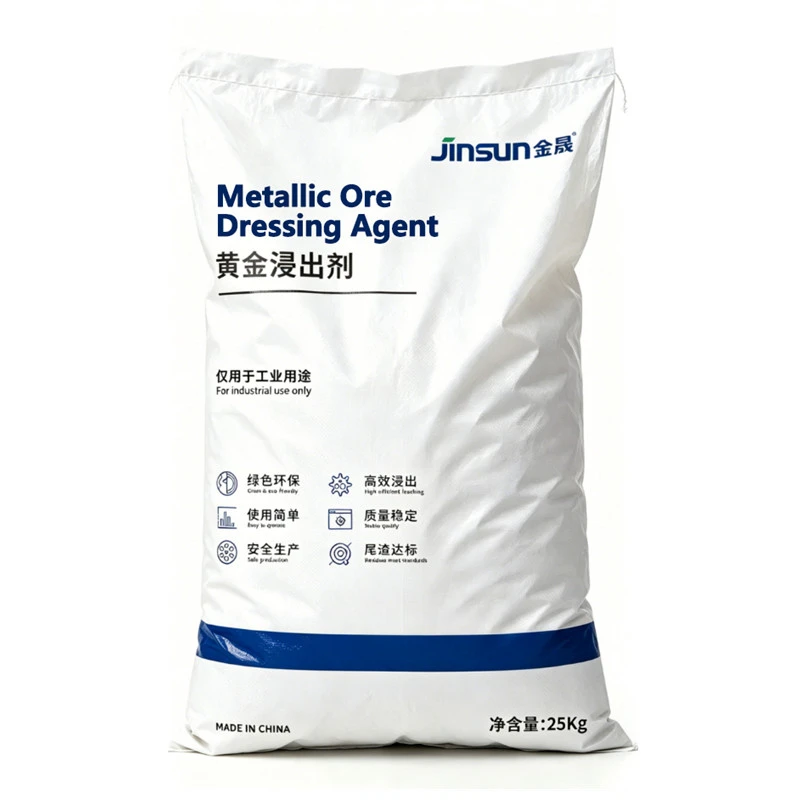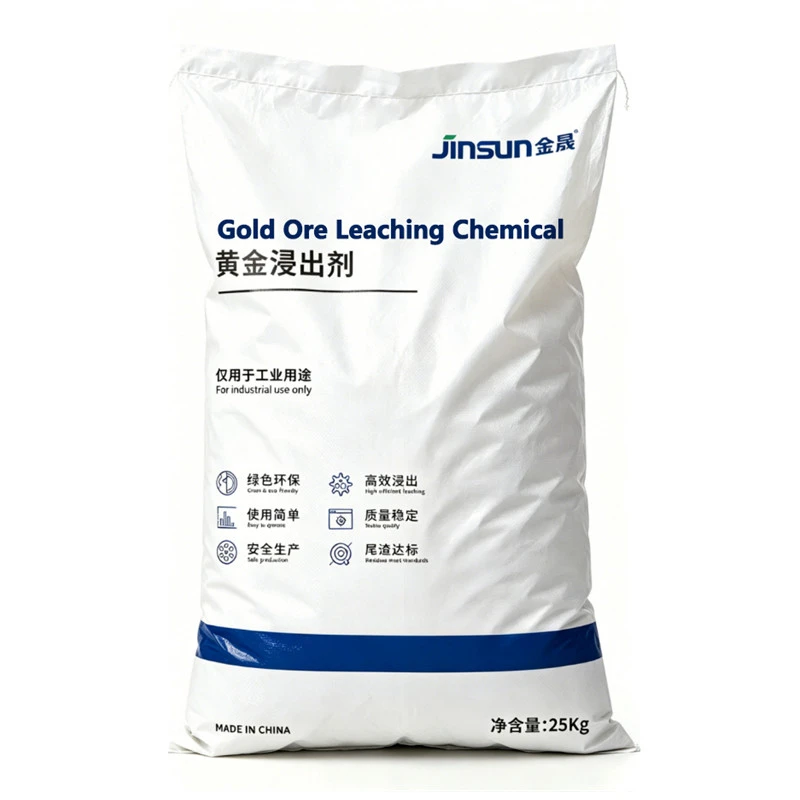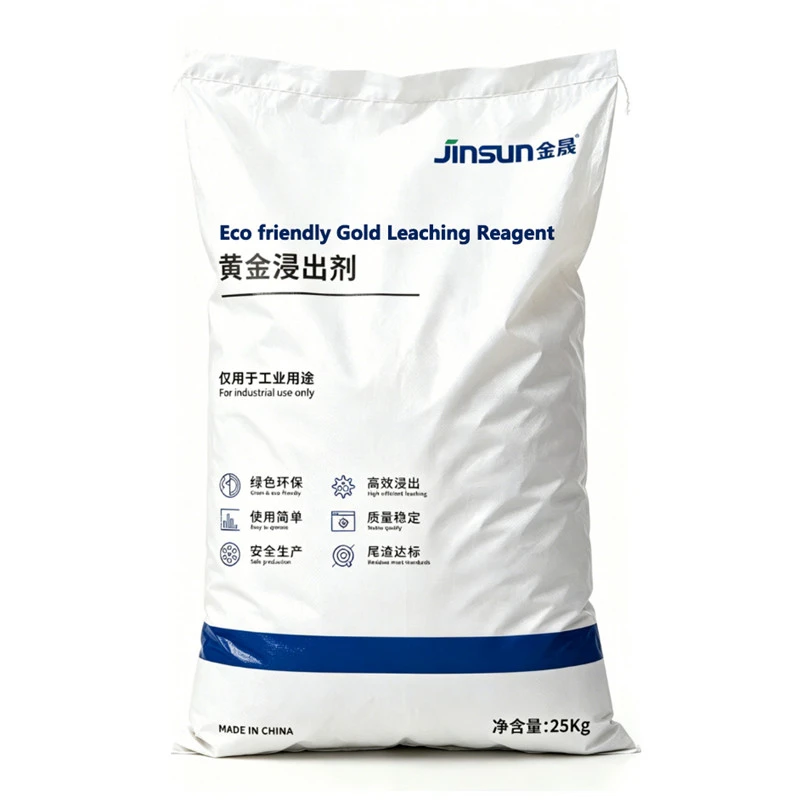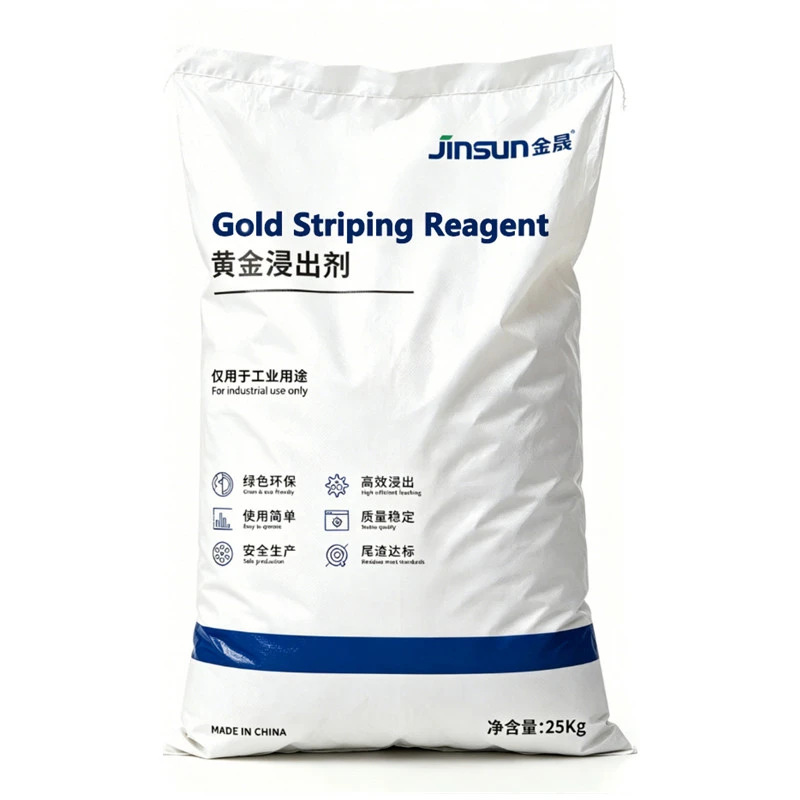

Hey there! As a supplier of Low Toxic Gold Leaching Agent, I often get asked about how to adjust the dosage of this agent according to the ore grade. It's a crucial question because getting the dosage right can significantly impact the efficiency and cost - effectiveness of the gold leaching process. So, let's dive right in and explore this topic.
Understanding Ore Grade
First off, we need to understand what ore grade means. Ore grade refers to the amount of gold present in a given quantity of ore. It's usually expressed in grams per ton (g/t). For example, if an ore has a grade of 5 g/t, it means that there are 5 grams of gold in every ton of that ore.
Different ore grades require different approaches when it comes to using the Low Toxic Gold Leaching Agent. High - grade ores have a relatively large amount of gold, while low - grade ores have less. The key is to find the sweet spot in terms of the agent dosage to ensure maximum gold recovery without over - using the agent, which can increase costs.
Factors Affecting Dosage Adjustment
There are several factors that come into play when adjusting the dosage of the Low Toxic Gold Leaching Agent based on ore grade.
Ore Mineralogy
The type of minerals present in the ore can have a big impact. Some minerals may react with the leaching agent, reducing its effectiveness. For instance, sulfide minerals can consume the leaching agent, so in ores with a high sulfide content, you may need to increase the dosage.
Particle Size
The size of the ore particles also matters. Finer particles have a larger surface area, which means that the leaching agent can react with more gold. So, if the ore is finely ground, you may be able to use a lower dosage of the agent compared to coarser - grained ore.
pH Level
The pH of the leaching solution is crucial. Most Low Toxic Gold Leaching Agents work best within a certain pH range. If the pH is too high or too low, the agent may not work as effectively, and you may need to adjust the dosage accordingly.
Adjusting Dosage for Different Ore Grades
High - Grade Ores (Above 10 g/t)
When dealing with high - grade ores, you might think that you need a large amount of the leaching agent. However, that's not always the case. Since there's a significant amount of gold in the ore, you can start with a relatively lower dosage. A good starting point could be around 1 - 2 kg of the Green Gold Leaching Reagent per ton of ore.
Monitor the leaching process closely. If the gold recovery rate is high and the leaching solution still has some of the agent left, you can keep the dosage at this level. But if the recovery rate is lower than expected, you can gradually increase the dosage by about 0.5 kg per ton until you reach the desired recovery rate.
Medium - Grade Ores (3 - 10 g/t)
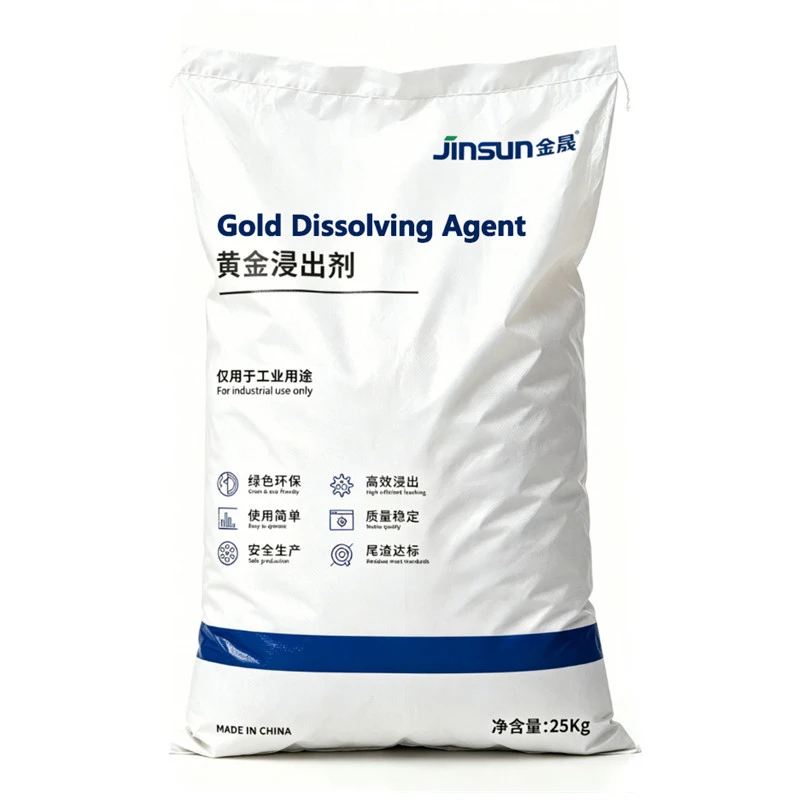
For medium - grade ores, you'll need to find a balance. A starting dosage of around 2 - 3 kg of the Gold Dissolving Agent per ton of ore is a good place to begin.
In this case, it's important to conduct regular tests to measure the gold content in the leaching solution. If the gold concentration in the solution is increasing steadily and the agent is being consumed at a reasonable rate, you're on the right track. If not, you may need to adjust the dosage up or down based on the results.
Low - Grade Ores (Below 3 g/t)
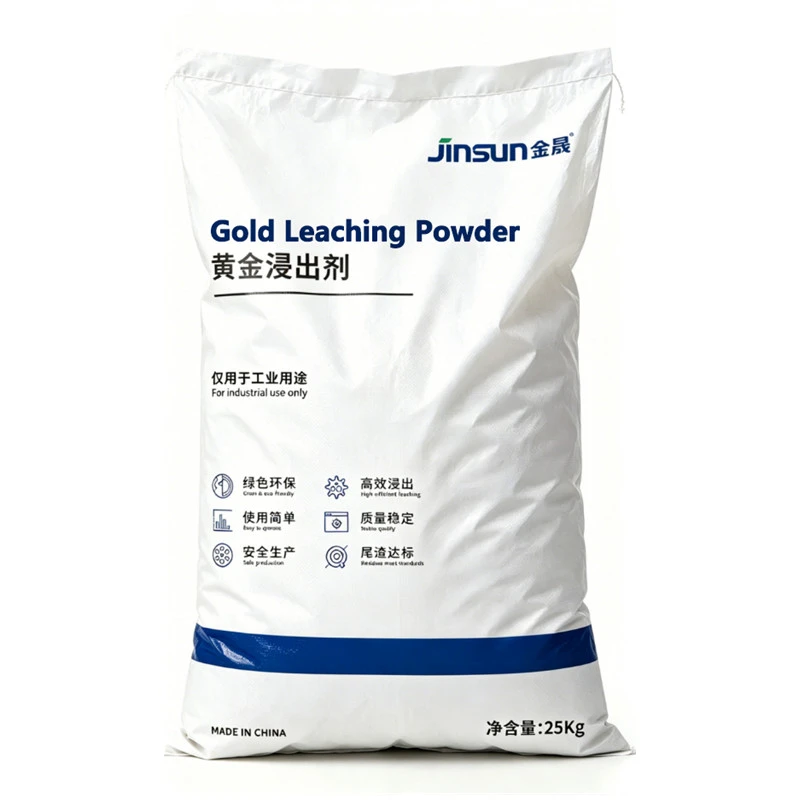
Low - grade ores are a bit more challenging. Since there's less gold in the ore, you may need to use a higher dosage of the Gold Leaching Powder to ensure that enough gold is dissolved. A starting dosage of 3 - 5 kg per ton of ore is often recommended.
Keep in mind that with low - grade ores, the cost of the leaching agent becomes a more significant factor. So, you need to be careful not to over - use the agent. You can also consider using pre - treatment methods to increase the accessibility of the gold in the ore, which may allow you to use a lower dosage.
Importance of Testing
Testing is a crucial part of the process. Before starting a large - scale leaching operation, it's essential to conduct small - scale tests on the ore samples. You can use different dosages of the Gold Dissolving Agent For Gold Ore and measure the gold recovery rate for each dosage.
This way, you can determine the optimal dosage for your specific ore. It's also a good idea to repeat the tests periodically during the leaching process, especially if there are any changes in the ore source or the leaching conditions.
Cost - Benefit Analysis
When adjusting the dosage, you also need to consider the cost - benefit ratio. Using too much of the leaching agent can increase the cost of the operation, while using too little may result in low gold recovery.
You should calculate the cost of the leaching agent per ton of ore and compare it with the value of the gold recovered. Aim to find the dosage that gives you the highest gold recovery at the lowest cost.
Final Thoughts and Contact
Adjusting the dosage of the Low Toxic Gold Leaching Agent according to the ore grade is a complex but essential process. By understanding the factors that affect the dosage, conducting proper tests, and considering the cost - benefit ratio, you can optimize the gold leaching process and increase your profits.
If you're interested in our Eco Friendly Gold Extraction Powder or have any questions about adjusting the dosage for your specific ore, feel free to reach out. We're here to help you make the most of your gold leaching operations.
References
- Mineral Processing and Extractive Metallurgy: Principles and Practice, by Wills and Napier - Munn
- Gold Ore Processing: Project Development and Operations, by Marsden and House