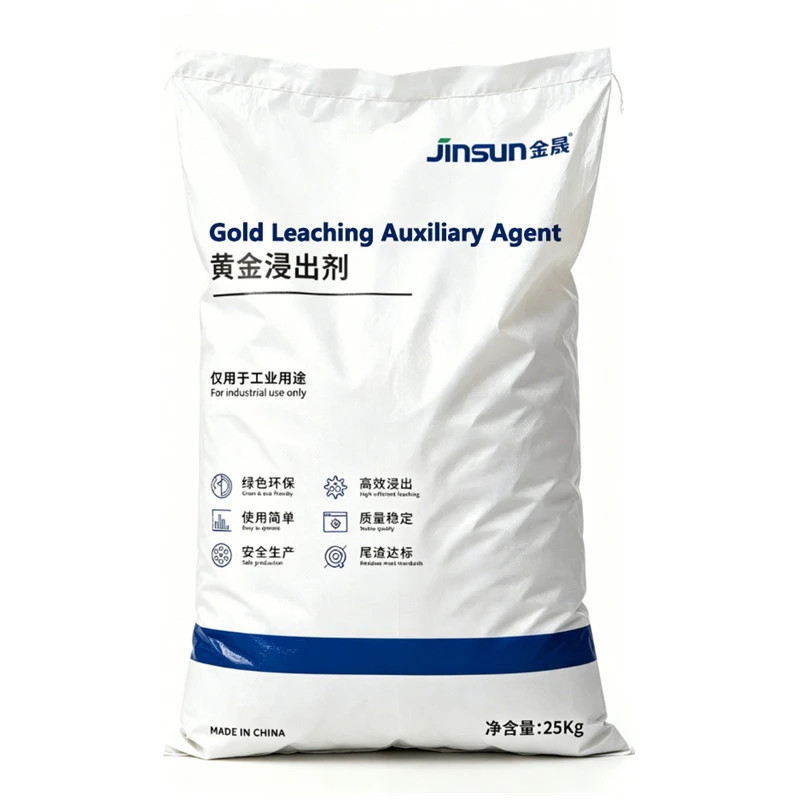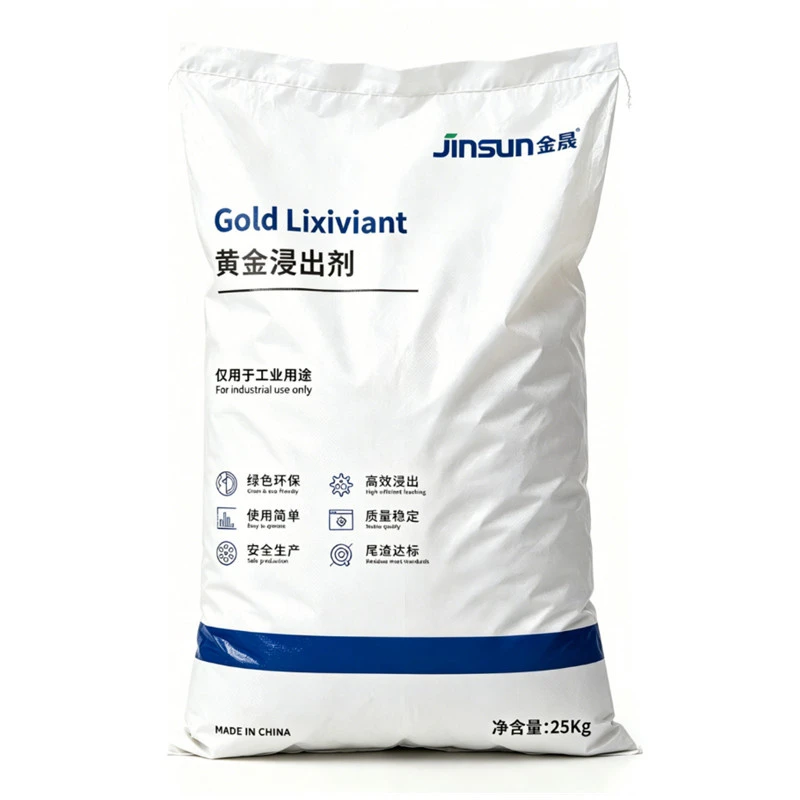

Determining the best type of gold dressing agent for a specific ore is a complex yet crucial process in the gold mining industry. As a gold dressing agent supplier, I've witnessed firsthand the significance of making the right choice. In this blog, I'll share insights on how to navigate this decision-making process effectively.
Understanding the Ore Characteristics
The first step in determining the best gold dressing agent is to thoroughly understand the characteristics of the ore. Different ores have varying compositions, including the presence of other minerals, particle size, and gold content. For example, an ore with a high sulfide content may require a different type of dressing agent compared to an oxide ore.
Analyzing the ore's mineralogy is essential. This involves identifying the main minerals present and their distribution within the ore. Some minerals can interfere with the gold extraction process, so the dressing agent must be able to overcome these challenges. For instance, pyrite, a common sulfide mineral, can react with certain leaching agents and reduce their effectiveness.
Particle size also plays a crucial role. Finer particles generally have a larger surface area, which can enhance the contact between the dressing agent and the gold particles. However, extremely fine particles may also pose challenges, such as increased slime formation and difficulties in solid-liquid separation.
Types of Gold Dressing Agents
There are several types of gold dressing agents available in the market, each with its own advantages and limitations. Here are some common types:
Cyanide-based Agents
Cyanide has been the traditional choice for gold extraction for many years. It forms a stable complex with gold, allowing it to be dissolved and recovered. However, cyanide is highly toxic and poses significant environmental and safety risks. Stringent regulations govern its use, and many mining operations are looking for alternative agents.
Non-cyanide Agents
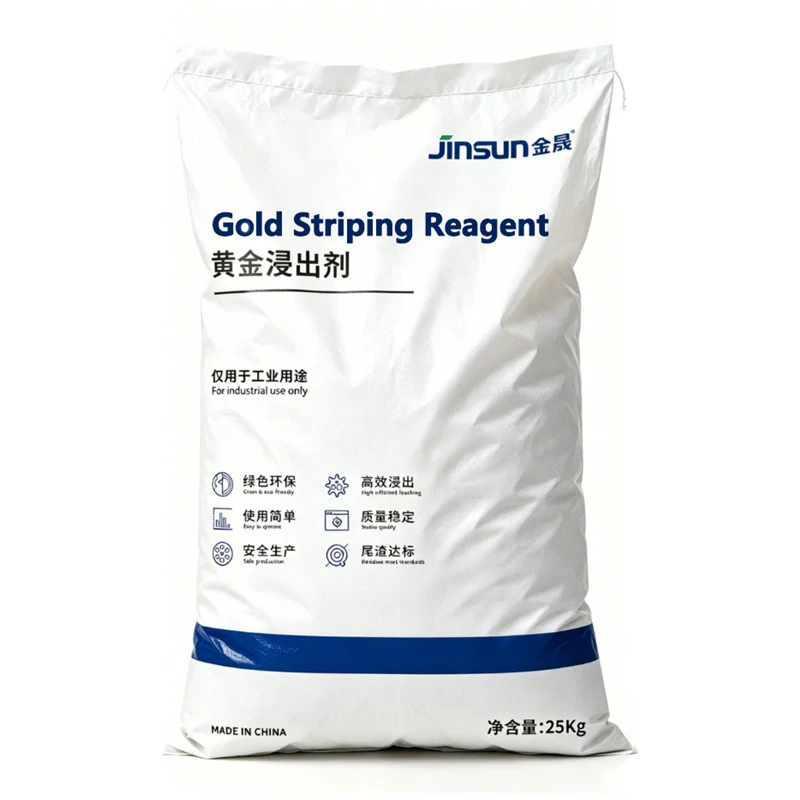
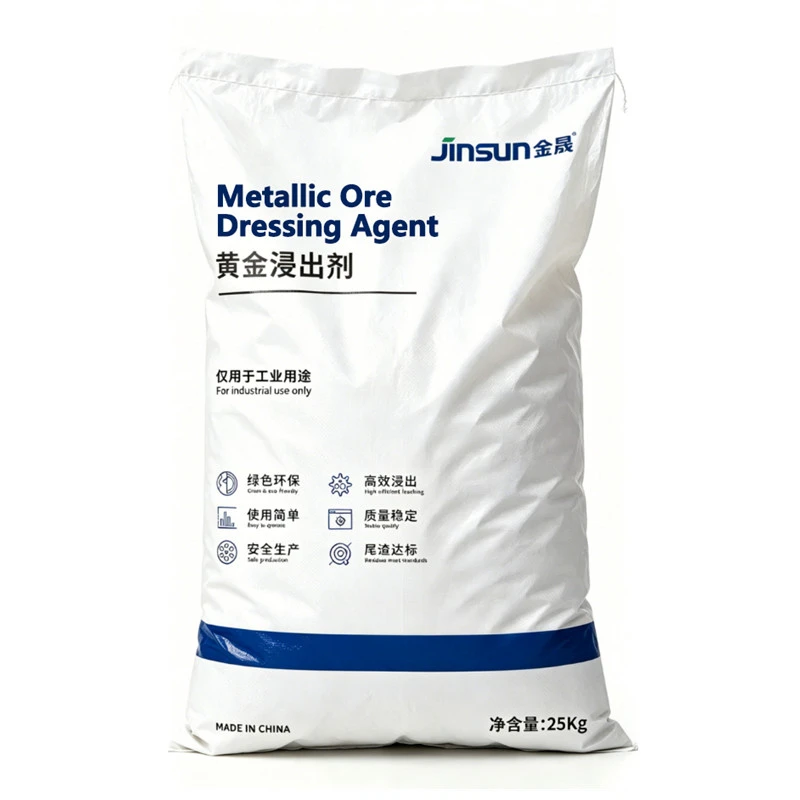
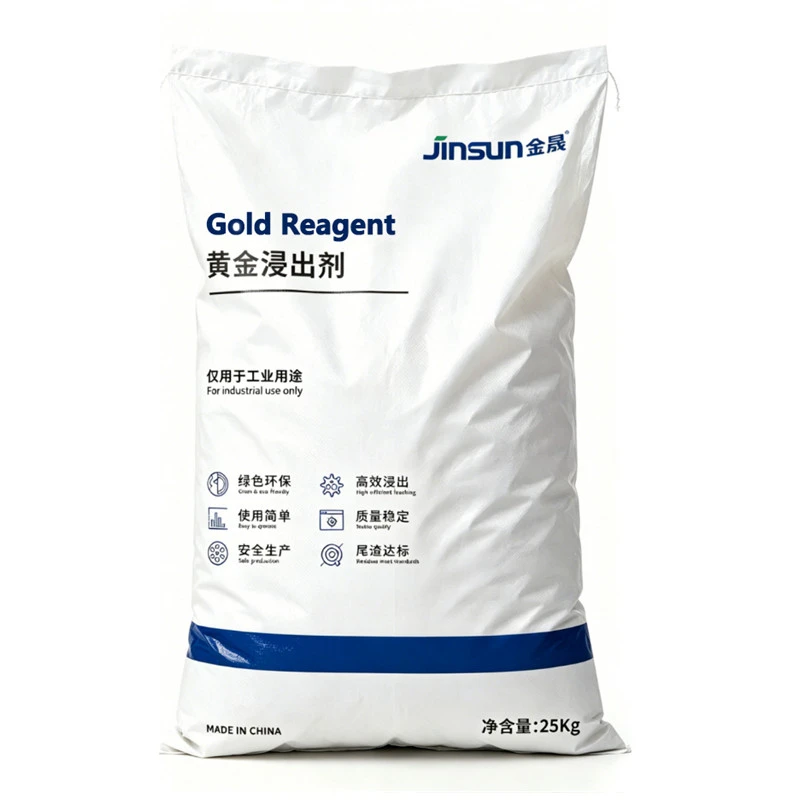
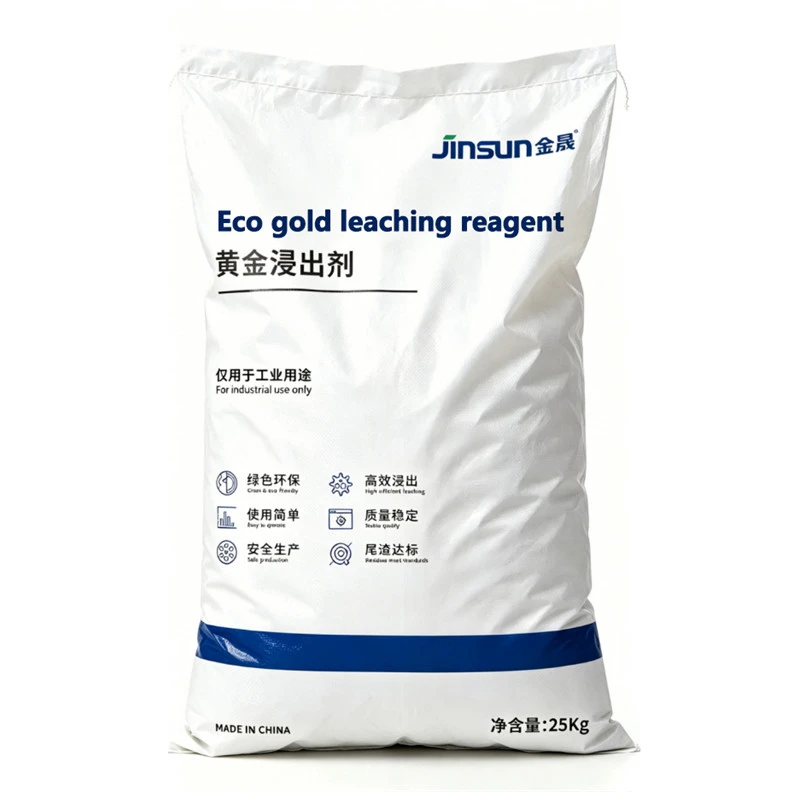
Non-cyanide agents have gained popularity in recent years due to their lower toxicity and environmental impact. One such agent is the Eco Gold Leaching Reagent. This reagent is designed to be environmentally friendly while still achieving high gold recovery rates. It works by forming a complex with gold similar to cyanide but without the associated toxicity.
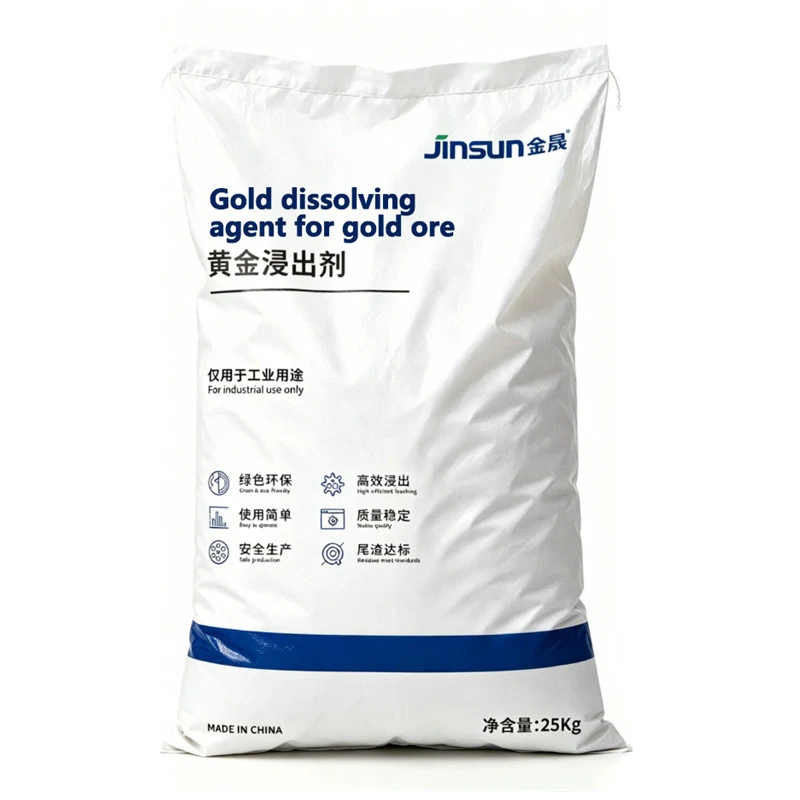
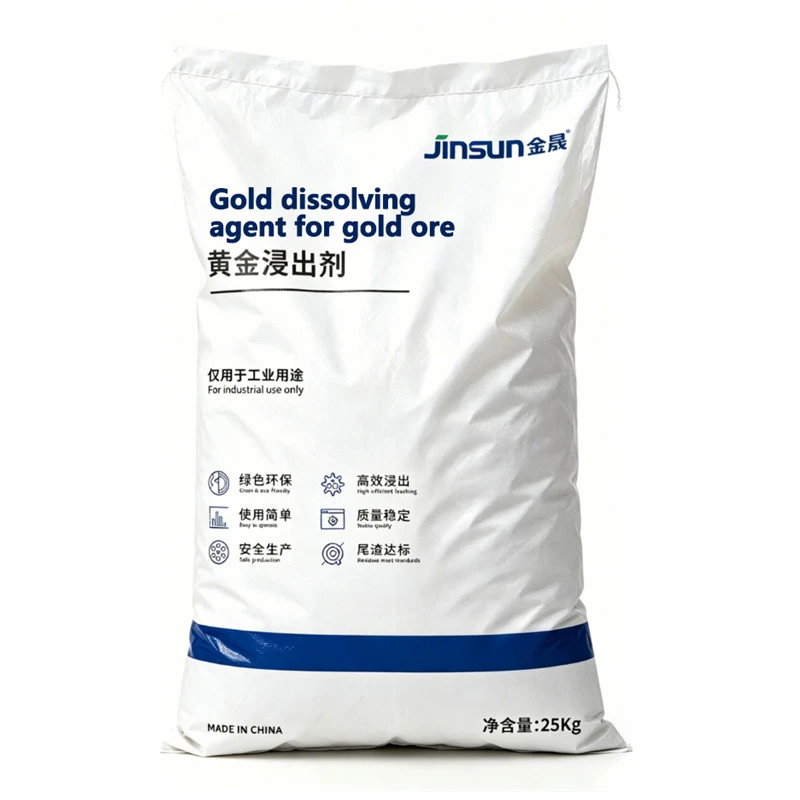
Another type of non-cyanide agent is the Gold Dissolving Agent For Gold Ore. This agent is specifically formulated to dissolve gold from various types of ores, including those with complex mineralogy. It offers a more efficient and cost-effective alternative to cyanide.
Heap Leaching Reagents
Heap leaching is a common method for gold extraction, especially for low-grade ores. Gold Heap Leaching Reagent is designed to be used in heap leaching operations. It is applied to the ore heap, and the leaching solution percolates through the heap, dissolving the gold. This type of reagent needs to have good permeability and the ability to penetrate the ore particles effectively.
Evaluating the Dressing Agents
Once you have identified the potential dressing agents for your ore, the next step is to evaluate them. This involves conducting laboratory tests and pilot-scale trials to determine their effectiveness.
Laboratory Tests
Laboratory tests are used to screen the dressing agents and compare their performance. These tests typically involve crushing the ore to a specific particle size and then treating it with the dressing agent under controlled conditions. The gold recovery rate, reagent consumption, and other parameters are measured to assess the agent's effectiveness.
For example, a leaching test may be conducted to determine the amount of gold that can be dissolved from the ore using a particular dressing agent. The test results can provide valuable information about the agent's ability to extract gold and its selectivity towards other minerals.
Pilot-scale Trials
Pilot-scale trials are conducted on a larger scale to validate the results obtained from the laboratory tests. These trials are typically carried out at a mine site using a small portion of the ore. The dressing agent is applied to the ore, and the gold recovery process is monitored.
Pilot-scale trials can help identify any practical issues that may arise during full-scale operations, such as equipment compatibility, reagent dosing, and environmental impact. They also provide an opportunity to optimize the process parameters and ensure the economic viability of the gold extraction operation.
Considering Other Factors
In addition to the ore characteristics and the performance of the dressing agents, there are other factors that need to be considered when making a decision.
Cost
The cost of the dressing agent is an important consideration. Different agents have different costs, and the cost can vary depending on the supplier, the quantity purchased, and the market conditions. It is important to compare the costs of different agents and consider the overall cost of the gold extraction process, including reagent consumption, equipment costs, and operating costs.
Environmental Impact
As mentioned earlier, environmental impact is a significant concern in the gold mining industry. The dressing agent should be chosen based on its environmental friendliness and compliance with relevant regulations. Non-cyanide agents are generally preferred due to their lower toxicity and reduced environmental impact.
Availability and Supply Chain
The availability of the dressing agent and the reliability of the supply chain are also important factors. You need to ensure that the agent is readily available in the quantity you need and that the supplier can provide a consistent supply. It is also important to consider the lead time for delivery and any potential disruptions to the supply chain.
Conclusion
Determining the best type of gold dressing agent for a specific ore requires a comprehensive understanding of the ore characteristics, the available dressing agents, and the evaluation process. By conducting thorough laboratory tests and pilot-scale trials, and considering other factors such as cost, environmental impact, and supply chain, you can make an informed decision that will optimize the gold extraction process and ensure the economic viability of your mining operation.
If you're interested in learning more about our gold dressing agents or would like to discuss your specific ore requirements, please don't hesitate to reach out. We're here to help you find the best solution for your gold extraction needs.
References
- [1] Smith, J. (2018). Gold Extraction Technologies: A Review. Journal of Mining Engineering, 2018, 1-15.
- [2] Johnson, R. (2019). Non-Cyanide Gold Leaching Agents: A Comparative Analysis. International Journal of Mineral Processing, 183, 1-10.
- [3] Brown, A. (2020). Heap Leaching of Gold Ores: Principles and Practice. Mining Magazine, 120(3), 45-50.