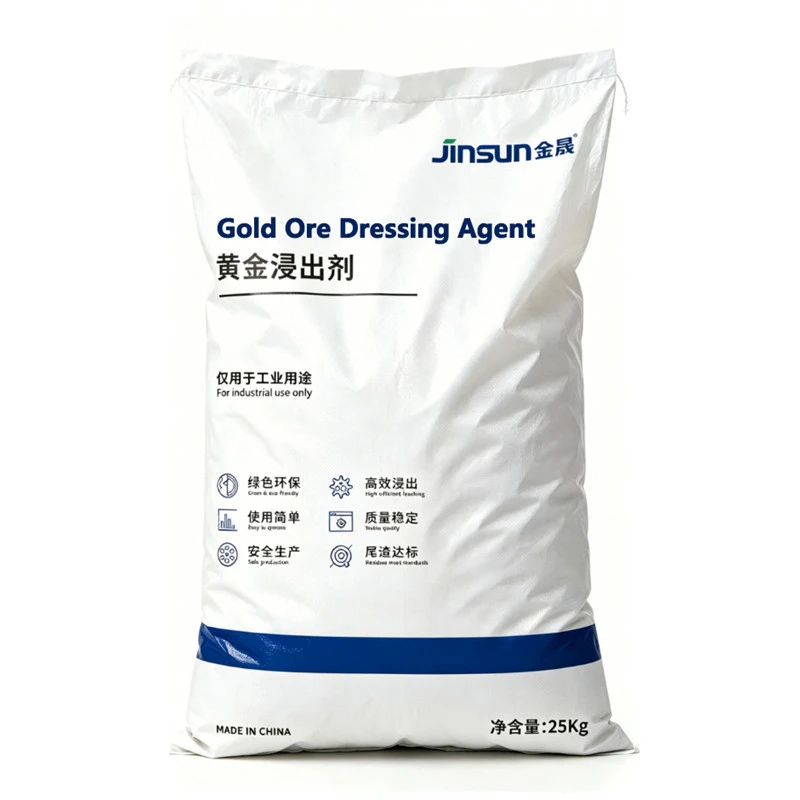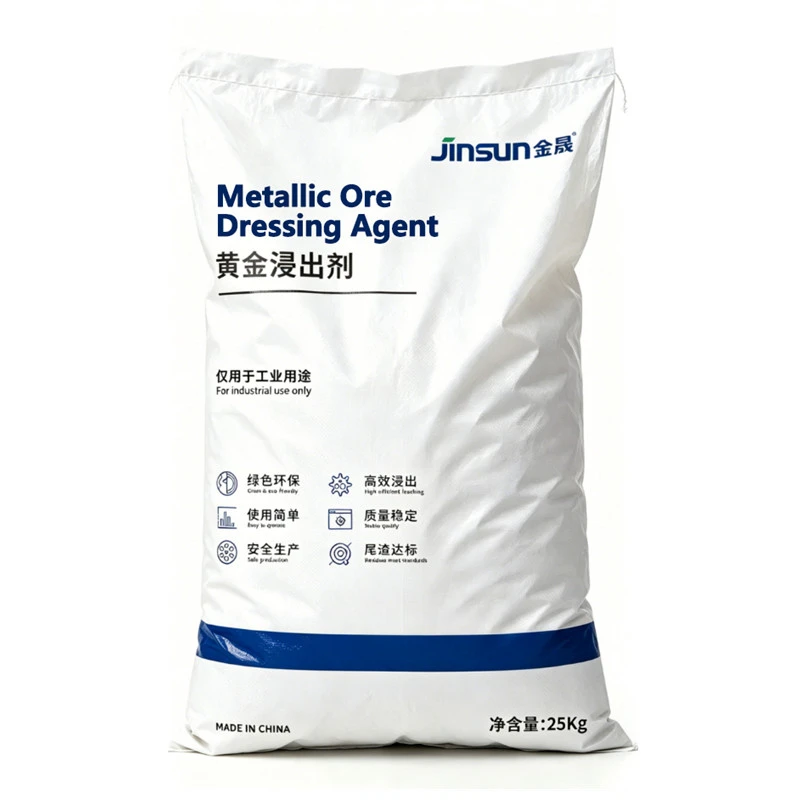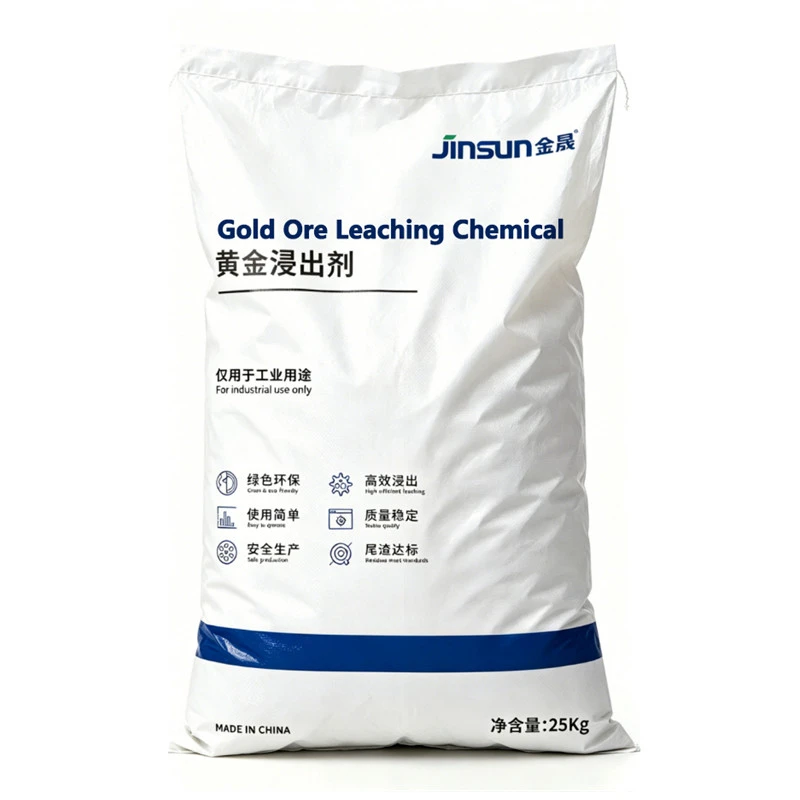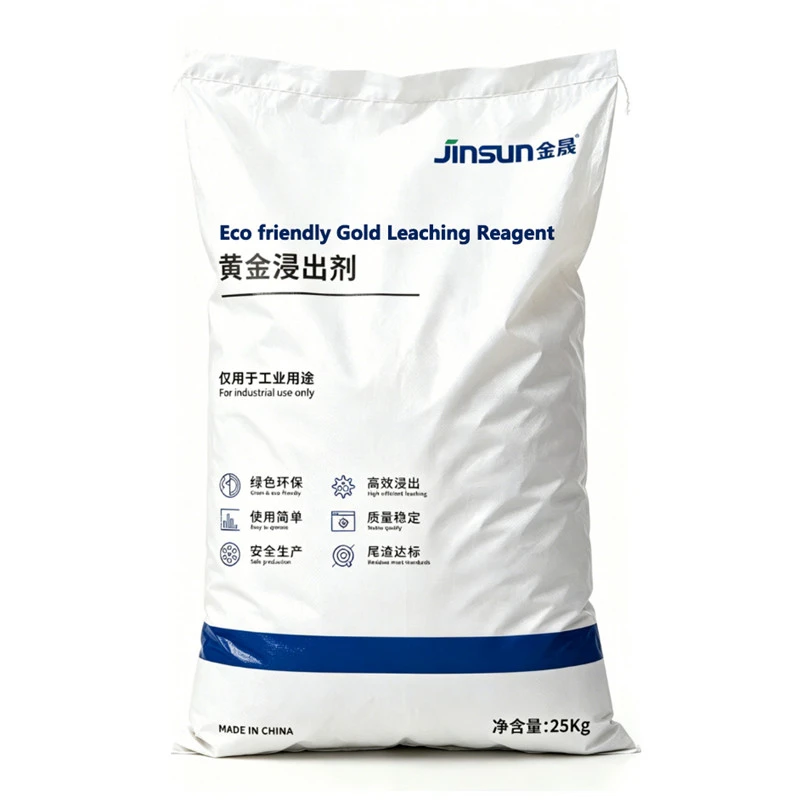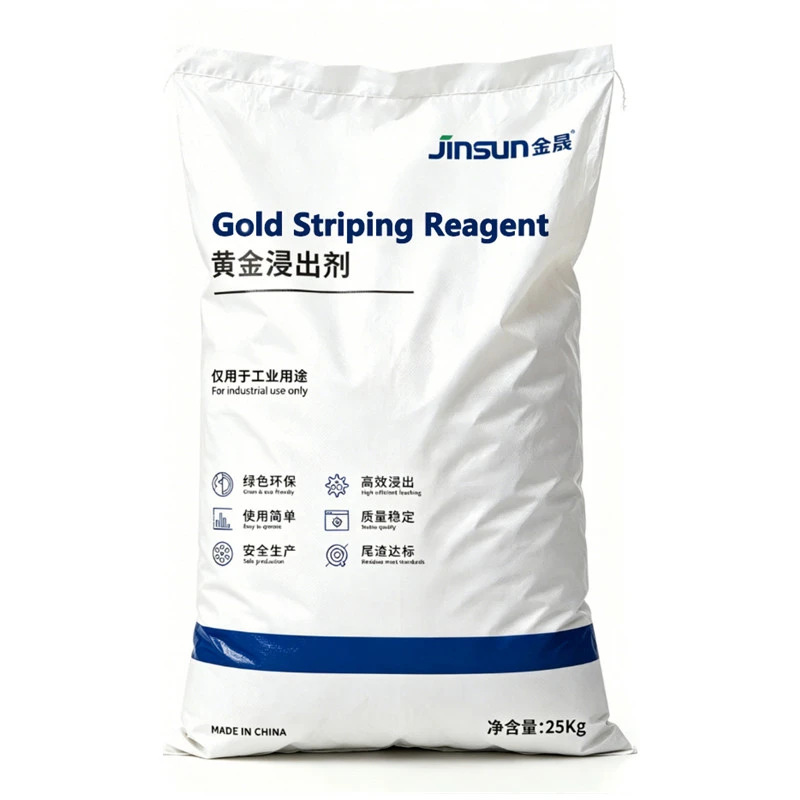

Hey there! As a supplier of Gold Recovery Reagents, I've been getting a lot of questions lately about determining the optimal reaction time for these reagents. It's a crucial aspect that can significantly impact the efficiency and effectiveness of gold recovery processes. So, I thought I'd share some insights on how to figure this out.

First off, let's understand why the reaction time matters. Gold recovery reagents work by chemically interacting with the gold-bearing materials to extract the precious metal. If the reaction time is too short, not all the gold will be extracted, leading to lower recovery rates. On the other hand, if the reaction time is too long, it can waste resources, increase costs, and potentially cause other issues like degradation of the reagent or unwanted side reactions.
Factors Affecting Reaction Time
There are several factors that can influence the optimal reaction time for a Gold Recovery Reagent. Let's take a look at some of the key ones.
1. Type of Reagent
Different types of gold recovery reagents have different reaction kinetics. For example, Non Cyanide Gold Leaching Reagent may have a different reaction rate compared to Low Toxic Gold Leaching Agent. Some reagents are designed to work quickly, while others may require more time to achieve maximum extraction. It's important to understand the characteristics of the specific reagent you're using.
2. Composition of Gold-Bearing Material
The nature and composition of the gold-bearing material play a huge role. If the gold is finely disseminated in a complex ore matrix, it may take longer for the reagent to reach and react with the gold particles. On the other hand, if the gold is present in a more accessible form, like in a high - grade concentrate, the reaction may be faster. Factors such as the presence of other minerals, their particle size, and the oxidation state of the gold can all affect the reaction time.
3. Temperature
Temperature has a significant impact on chemical reactions. Generally, increasing the temperature can speed up the reaction rate. However, there are limits to this. Some reagents may degrade or become less effective at high temperatures. So, you need to find the right balance. For most gold recovery processes, a moderate increase in temperature can help reduce the reaction time without causing negative effects.
4. pH Level
The pH of the solution in which the reaction takes place is also critical. Different reagents work best at specific pH ranges. If the pH is not within the optimal range, the reaction may be slower or less efficient. For example, some reagents may require an acidic environment, while others work better in an alkaline one. You'll need to adjust the pH of the solution to ensure the reagent can function properly and achieve the desired reaction time.
Methods to Determine Optimal Reaction Time
Now that we know what factors can affect the reaction time, let's talk about how to actually determine the optimal time.
1. Laboratory Testing
This is the most common and reliable method. You can take a representative sample of the gold-bearing material and conduct a series of tests with your Gold Recovery Reagent under different reaction times. Start with short intervals, say 1 hour, and gradually increase the time to several hours or even days if necessary. After each test, analyze the amount of gold extracted. Plot the results on a graph with reaction time on the x - axis and gold recovery percentage on the y - axis. The point where the curve levels off indicates the optimal reaction time, as further increasing the time won't significantly increase the gold recovery.
2. Pilot - Scale Testing
Once you have an idea from the laboratory tests, it's a good idea to conduct pilot - scale testing. This involves using a larger quantity of the gold - bearing material and the reagent in a setup that mimics the actual production process. Pilot - scale testing can help you confirm the optimal reaction time determined in the laboratory and also identify any potential issues that may arise on a larger scale.
3. Monitoring Key Parameters
During the reaction process, you can monitor certain key parameters such as the concentration of the reagent, the amount of oxygen in the solution (if relevant), and the electrical conductivity. Changes in these parameters can give you an indication of the progress of the reaction. For example, a stable concentration of the reagent after a certain period may suggest that the reaction has reached equilibrium and that the optimal reaction time has been approached.
Importance of Getting it Right
Determining the optimal reaction time is not just about maximizing gold recovery. It also has a direct impact on the overall economics of the gold recovery process. By using the right reaction time, you can minimize the use of the reagent, reduce energy consumption, and decrease the processing time. This means lower costs and higher profits for your operation.
Our Gold Recovery Reagents
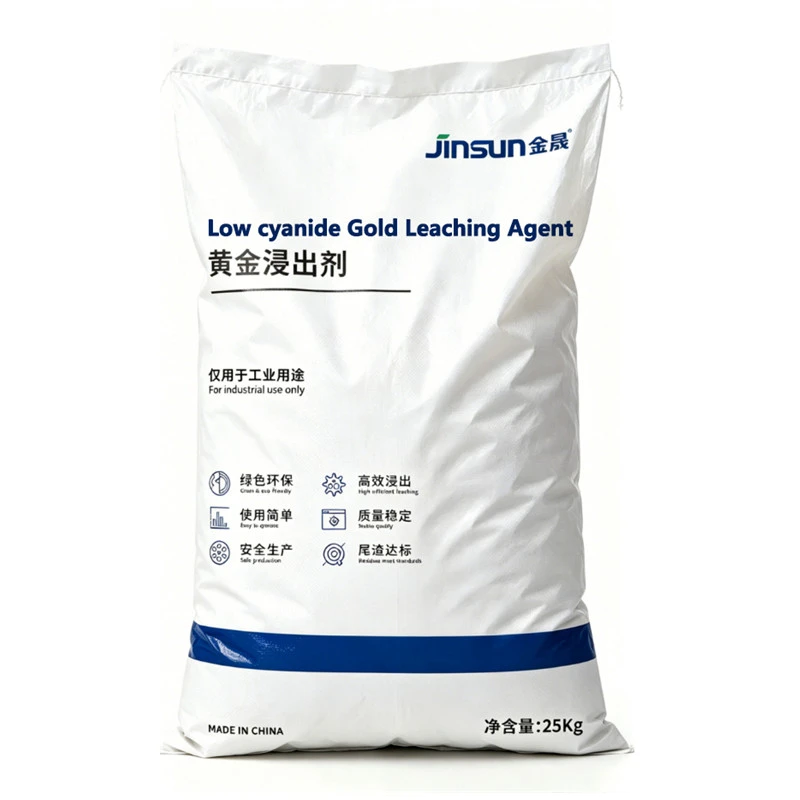
At our company, we offer a range of high - quality gold recovery reagents, including High Efficiency Gold Leaching Agent and Low Cyanide Gold Leaching Agent. Our reagents are designed to be effective, cost - efficient, and environmentally friendly. We also provide technical support to help you determine the optimal reaction time for your specific application.
If you're in the market for gold recovery reagents or need more information on how to optimize your gold recovery process, don't hesitate to reach out. We're here to help you get the most out of your gold - bearing materials. Whether you're a small - scale miner or a large - scale processing plant, we have the solutions for you.
References
- Smith, J. (2018). Gold Recovery Techniques: A Comprehensive Guide. Mining Press.
- Johnson, A. (2019). Chemical Kinetics in Gold Extraction. Journal of Mining Chemistry.