
Introduction
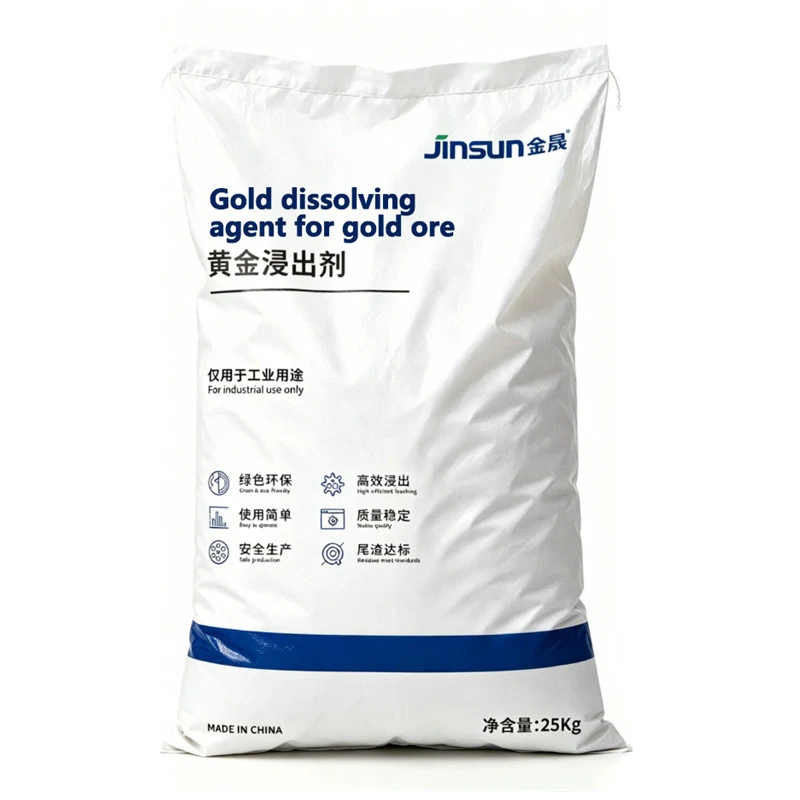
As a reliable supplier of Gold Striping Reagents, I understand the significance of minimizing the influence of the sample matrix on the performance of our products. In the field of gold analysis and extraction, the sample matrix, which includes various components such as minerals, organic matter, and other impurities, can significantly affect the accuracy and efficiency of gold striping. This blog post aims to explore effective strategies to eliminate or reduce the influence of the sample matrix on Gold Striping Reagents, ensuring optimal results for our customers.
Understanding the Sample Matrix
The sample matrix refers to the entire composition of the sample, excluding the analyte (in this case, gold). It can contain a wide range of substances, including different minerals like quartz, pyrite, and chalcopyrite, as well as organic compounds and other trace elements. These components can interact with the Gold Striping Reagent in several ways, leading to inaccurate results or reduced reagent performance.
For example, some minerals may adsorb the gold ions before they can react with the striping reagent, reducing the amount of gold available for extraction. Organic matter can also interfere with the chemical reactions involved in the striping process, either by complexing with the gold or the reagent itself. Additionally, trace elements present in the sample matrix may catalyze or inhibit the striping reaction, further complicating the analysis.
Strategies to Eliminate the Influence of the Sample Matrix
Sample Pretreatment
One of the most effective ways to reduce the impact of the sample matrix is through appropriate sample pretreatment. This involves preparing the sample in a way that removes or reduces the interfering components while preserving the gold content.
Physical Separation
Physical separation techniques can be used to remove large particles, minerals, or other components from the sample. For example, sieving can be used to separate the sample based on particle size, removing larger particles that may contain interfering minerals. Gravity separation methods, such as panning or centrifugation, can also be employed to separate heavier minerals from the lighter ones, concentrating the gold in the process.
Chemical Digestion
Chemical digestion is another common pretreatment method. It involves using strong acids or other reagents to dissolve the sample matrix, leaving the gold in solution. This can help to remove many of the interfering components, making the gold more accessible to the striping reagent. However, it is important to choose the appropriate digestion method and reagents carefully, as some may also react with the gold or introduce new impurities.
Oxidation and Reduction
Oxidation and reduction reactions can be used to change the chemical state of the interfering components in the sample matrix. For example, oxidizing agents can be used to convert organic matter into carbon dioxide and water, reducing its interference with the striping process. Reduction agents can be used to convert certain metal ions into their elemental forms, which can then be separated from the solution.
Selection of Appropriate Gold Striping Reagents
The choice of Gold Striping Reagent can also play a crucial role in minimizing the influence of the sample matrix. Different reagents have different chemical properties and selectivities, which can affect their ability to interact with gold in the presence of interfering components.
Selective Reagents
Selective Gold Striping Reagents are designed to specifically target gold ions while minimizing interactions with other components in the sample matrix. These reagents often contain functional groups that have a high affinity for gold, allowing them to bind to the gold ions even in the presence of other substances. For example, some reagents may contain sulfur or nitrogen atoms that can form strong complexes with gold ions, making them more selective for gold extraction.
Compatibility with the Sample Matrix
It is also important to consider the compatibility of the Gold Striping Reagent with the sample matrix. Some reagents may be more suitable for samples containing certain types of minerals or organic matter, while others may be more effective in the presence of specific trace elements. For example, a reagent that is resistant to the interference of iron or copper ions may be more appropriate for samples containing these elements.
Optimization of Reaction Conditions
The reaction conditions, such as temperature, pH, and reaction time, can also have a significant impact on the performance of the Gold Striping Reagent in the presence of the sample matrix.
Temperature
Increasing the temperature can often accelerate the striping reaction, making it more efficient. However, it is important to note that some reagents may be unstable at high temperatures, and the sample matrix may also undergo chemical changes at elevated temperatures. Therefore, it is necessary to find the optimal temperature range that maximizes the striping efficiency while minimizing the degradation of the reagent and the sample matrix.
pH
The pH of the solution can affect the solubility and reactivity of the Gold Striping Reagent and the sample matrix components. For example, some reagents may require a specific pH range to be effective, while the solubility of certain minerals in the sample matrix may also be pH-dependent. By adjusting the pH of the solution, it is possible to optimize the reaction conditions and reduce the interference of the sample matrix.
Reaction Time
The reaction time is another important factor to consider. Longer reaction times may allow the striping reagent to interact with more gold ions, improving the extraction efficiency. However, if the reaction time is too long, the reagent may be consumed or degraded, and the sample matrix may also undergo further chemical changes. Therefore, it is necessary to determine the optimal reaction time based on the specific characteristics of the sample matrix and the Gold Striping Reagent.
The Role of Our Products
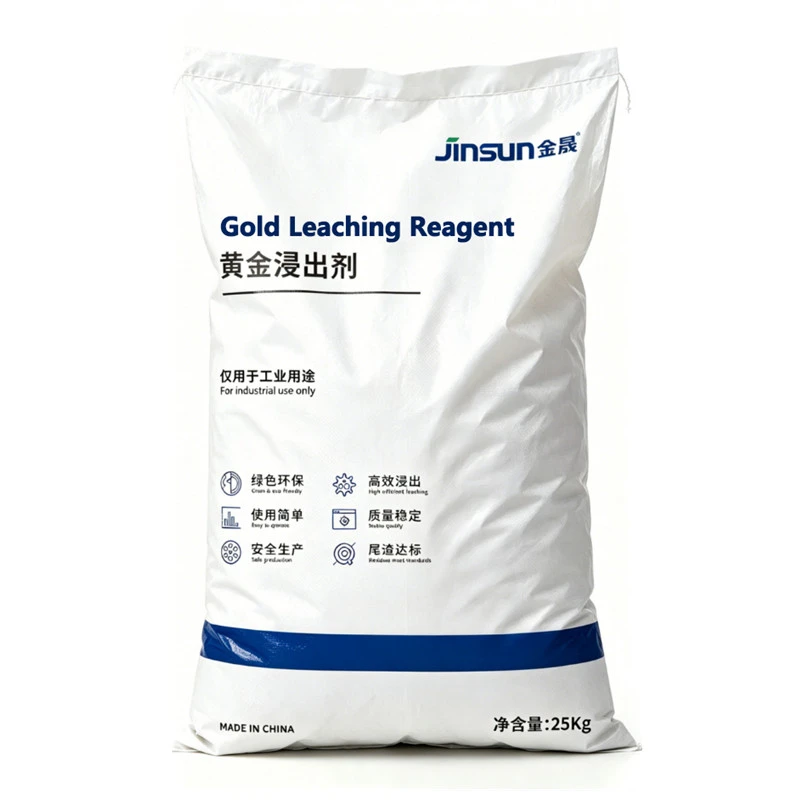
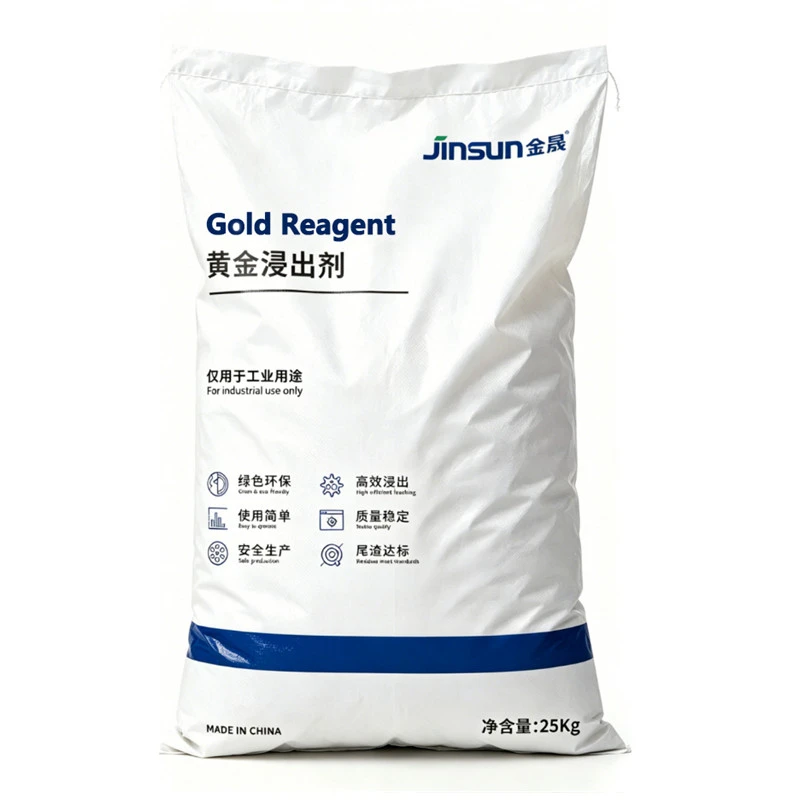
As a supplier of Gold Striping Reagents, we are committed to providing high-quality products that are optimized to minimize the influence of the sample matrix. Our reagents are carefully formulated to have high selectivity for gold and excellent compatibility with a wide range of sample matrices. We also offer a range of sample pretreatment solutions and technical support to help our customers achieve the best results.
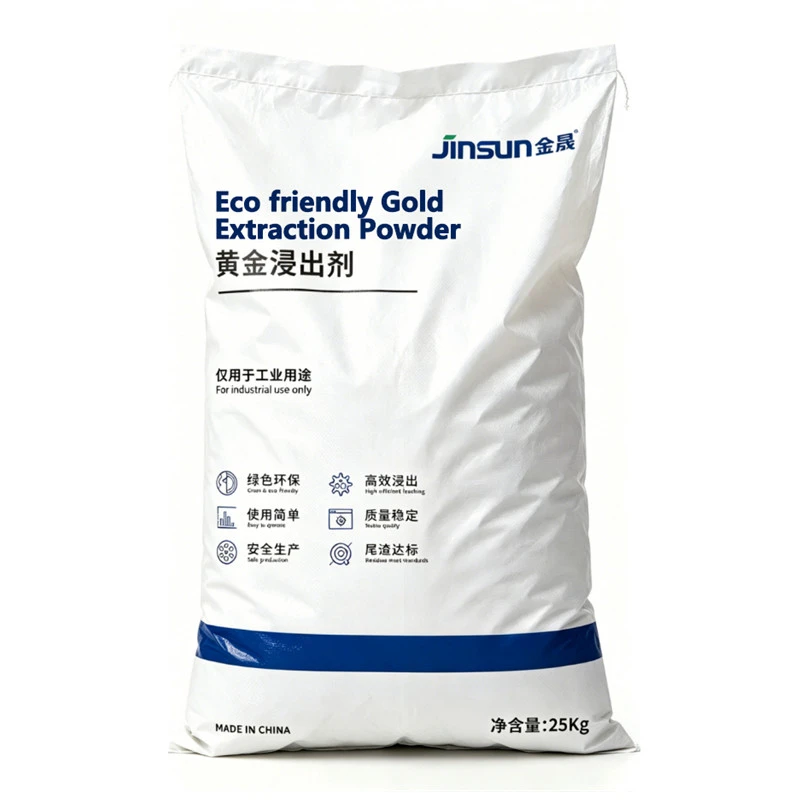
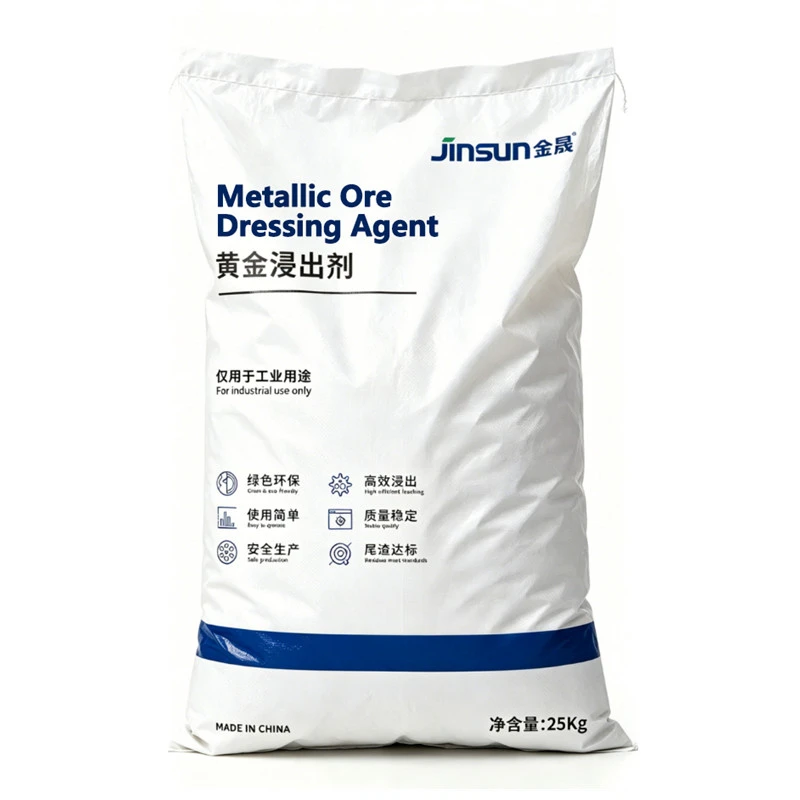
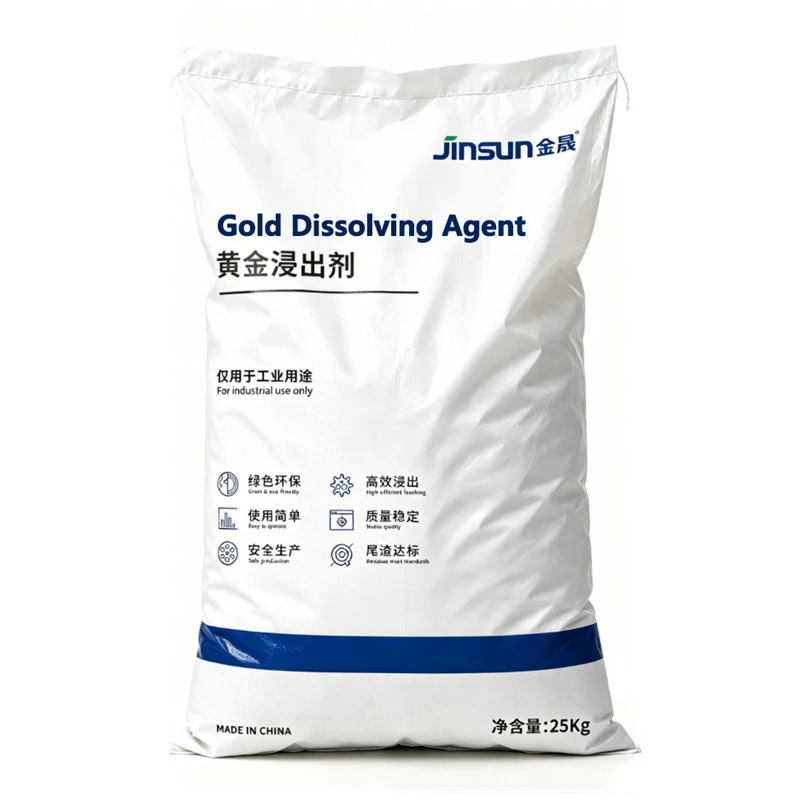
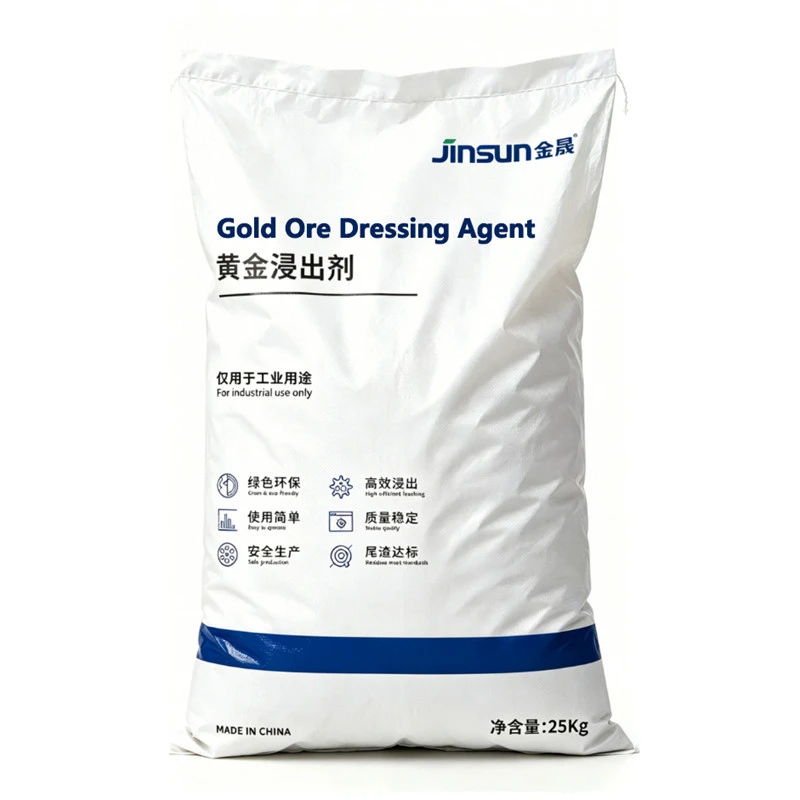
In addition to our Gold Striping Reagents, we also provide other related products, such as Gold Lixiviant, Gold Ore Dressing Agent, Eco Friendly Gold Extraction Powder, Gold Dissolving Agent, and Metallic Ore Dressing Agent. These products are designed to work together to provide a comprehensive solution for gold analysis and extraction, ensuring the highest efficiency and accuracy.
Conclusion
Eliminating the influence of the sample matrix on Gold Striping Reagents is a critical step in ensuring accurate and efficient gold analysis and extraction. By implementing appropriate sample pretreatment methods, selecting the right reagents, and optimizing the reaction conditions, it is possible to minimize the interference of the sample matrix and achieve optimal results. As a Gold Striping Reagent supplier, we are dedicated to helping our customers overcome these challenges by providing high-quality products and technical support.
If you are interested in our Gold Striping Reagents or other related products, please feel free to contact us for more information and to discuss your specific requirements. We look forward to working with you to achieve your gold analysis and extraction goals.
References
- Smith, J. (2018). Gold Analysis: Principles and Practice. Wiley.
- Jones, A. (2019). Sample Pretreatment Techniques in Analytical Chemistry. Elsevier.
- Brown, C. (2020). Selective Reagents for Gold Extraction. Journal of Analytical Chemistry, 45(2), 123-135.