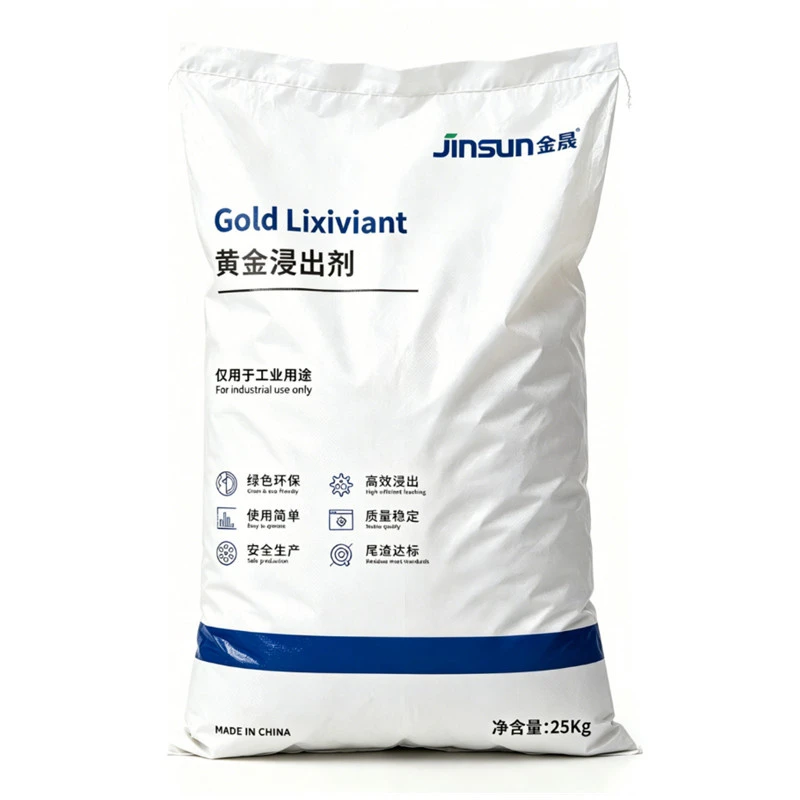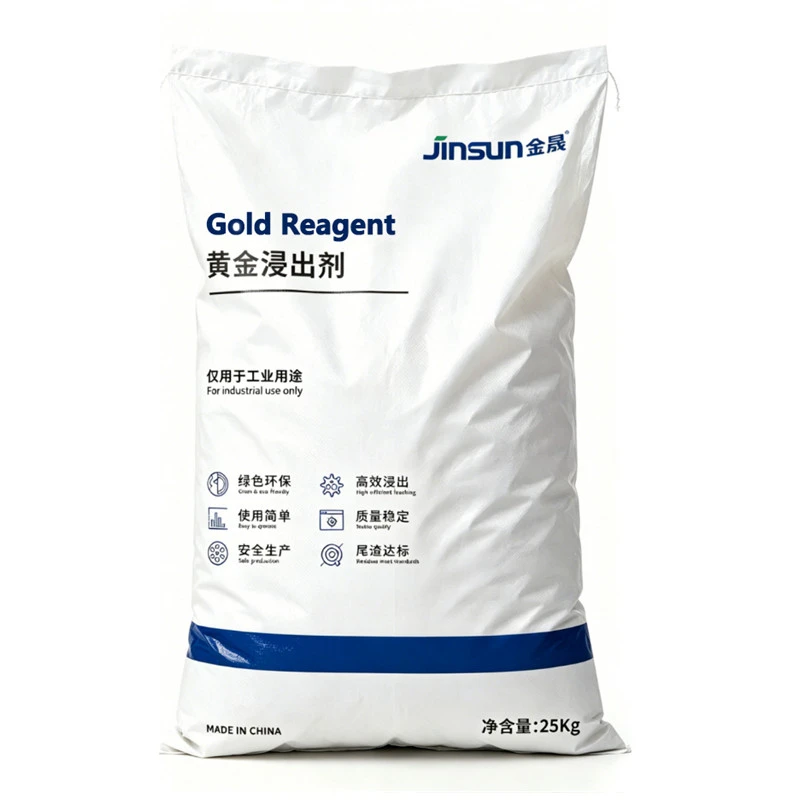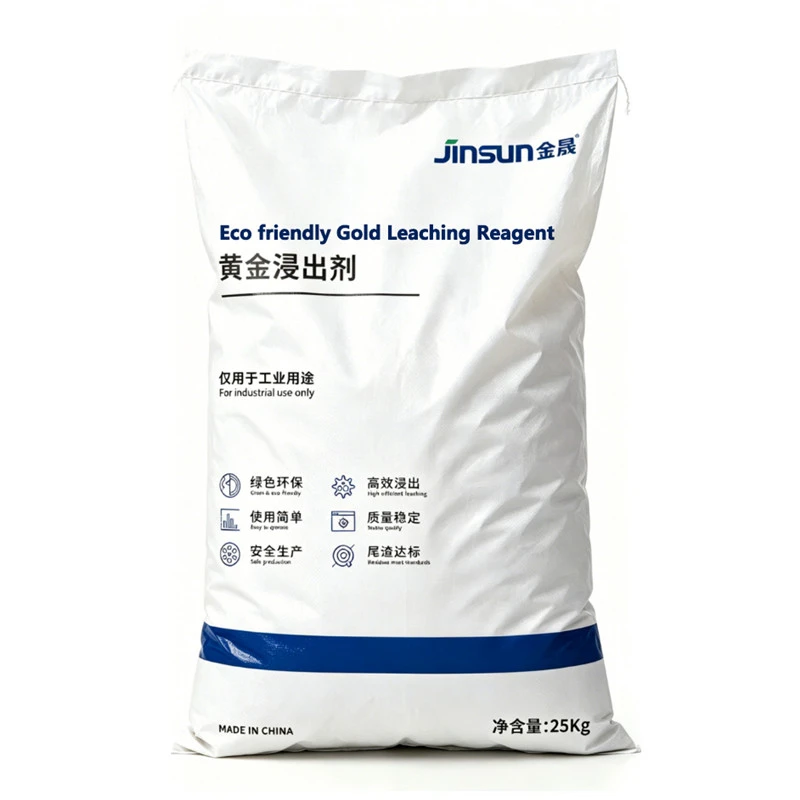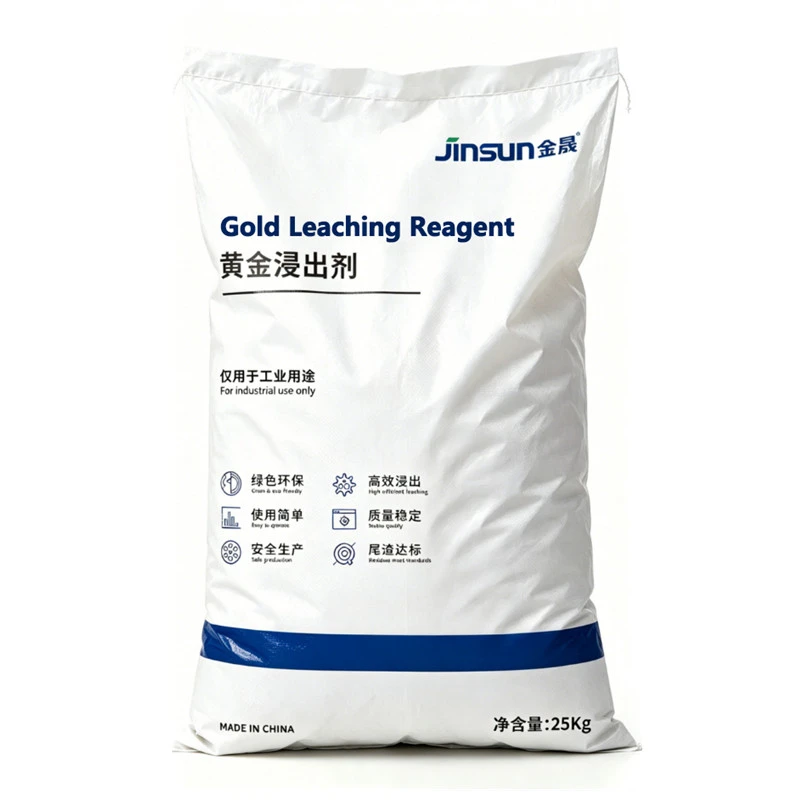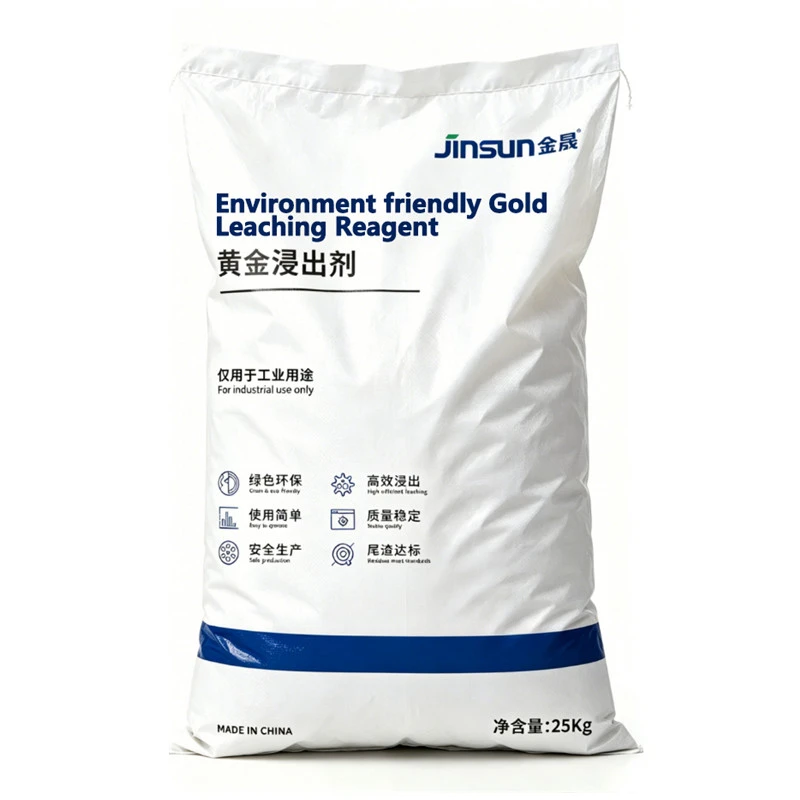
Gold beneficiation agents and reagents are key functional additives used in the gold extraction process to separate precious metals from ores. Their core function is to break down the ore structure through chemical or physical means, allowing gold to precipitate in a recoverable form. In modern beneficiation technology, the environmental friendliness, leaching rate, and recovery rate of reagents are core performance indicators that directly affect gold extraction efficiency and cost.
Taking environmentally friendly gold beneficiation agents as an example, their effective ingredient content reaches 99%. Through optimized chemical formulations to reduce impurity interference, they are suitable for heap leaching and pond leaching processes of gold and silver oxide ores, primary ores, and sulfide ores. These agents rapidly dissolve gold elements in the ore, forming soluble complexes, which are then recovered through displacement or adsorption. Their advantages include fast leaching speed, high recovery rate, and strong stability; the shelf life in unopened state is up to 2 years, suitable for long-term storage needs.
From a technical principle perspective, the mechanism of action of gold beneficiation agents falls into two categories: one is to break down the ore lattice through oxidation reactions, releasing gold ions; the other is to convert gold ions into a stable solution through complexation, facilitating subsequent separation. Environmentally friendly reagents further optimize reaction conditions, avoiding the use of traditional reagents such as highly toxic cyanides and reducing the risk of environmental pollution. Their transportation and storage require strict moisture and water protection, and they must be stored separately to avoid chemical contamination, meeting the dual requirements of modern industry for safety and environmental protection.