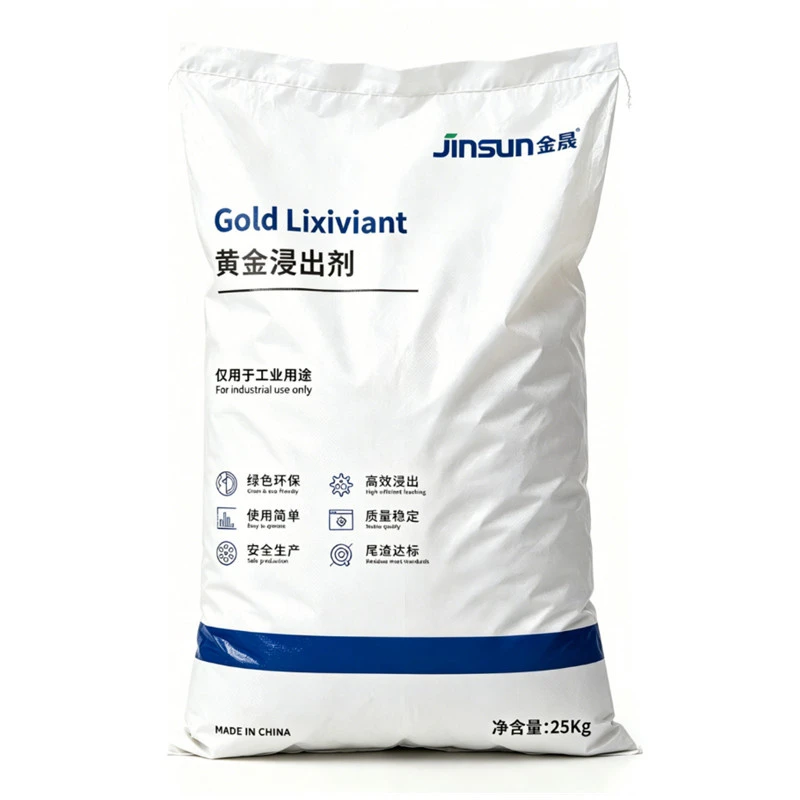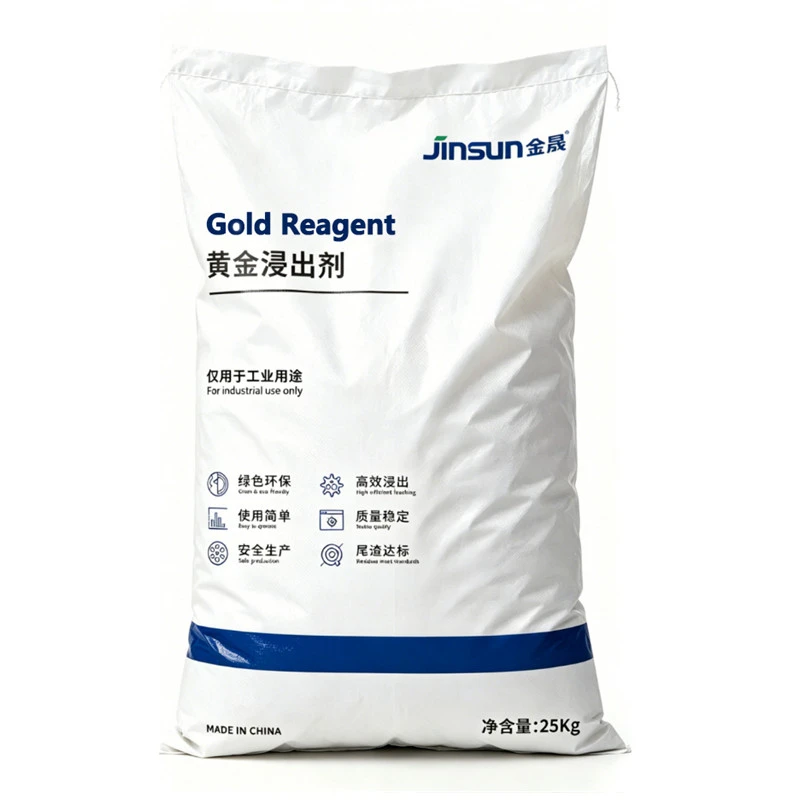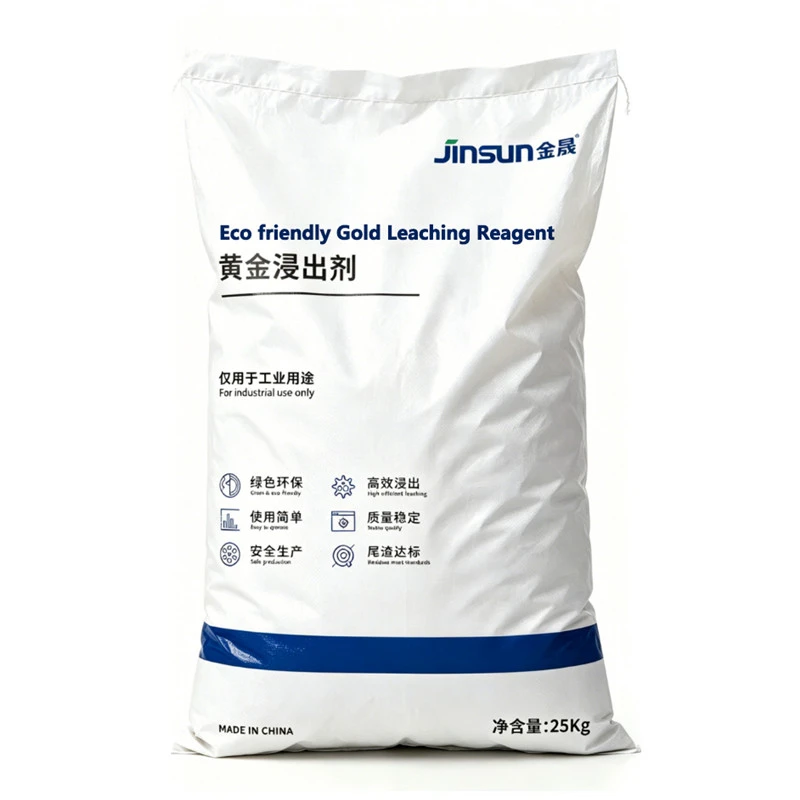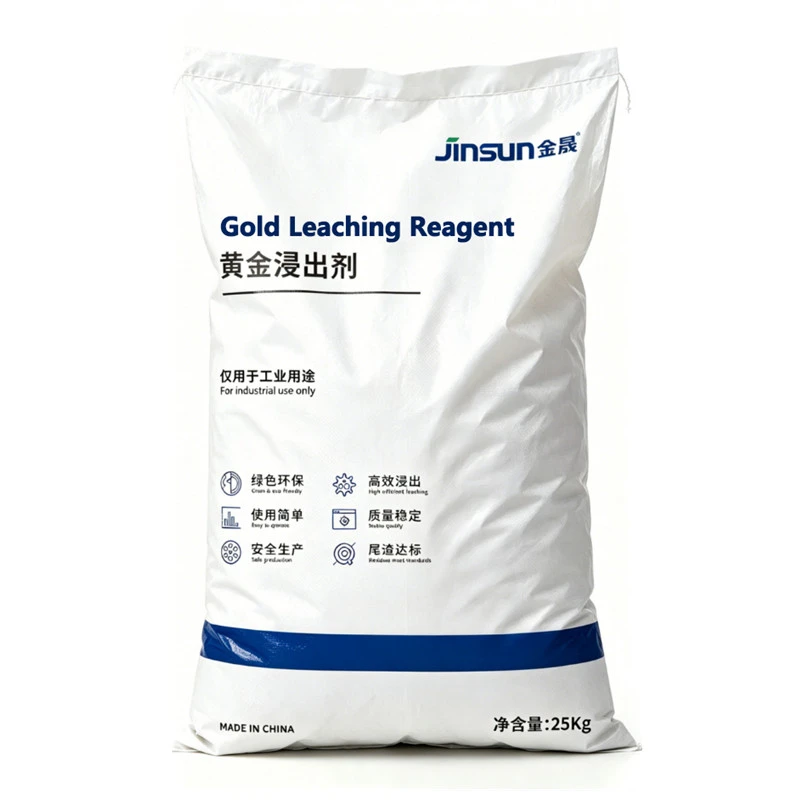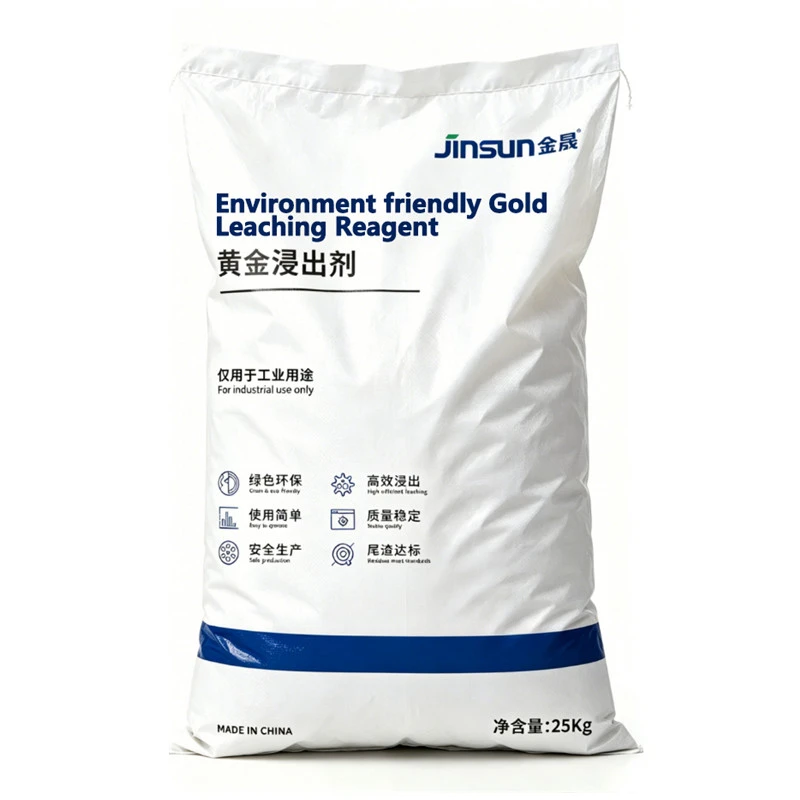
The working principle of gold beneficiation agents is based on complex and sophisticated chemical reactions and physical interactions. From a chemical reaction perspective, it reacts specifically with associated elements in the ore, such as copper, lead, and zinc, transforming these impurities into water-soluble or easily separable compounds. This removes their encapsulation and interference with gold, creating favorable conditions for subsequent gold extraction. Regarding its interaction with gold, specific components in the beneficiation agent combine with gold atoms to form stable and soluble complexes, allowing gold to dissolve smoothly from the ore lattice and enter the solution system, facilitating subsequent enrichment and refining.
In terms of physical interactions, the beneficiation agent alters the surface properties of ore particles and gold particles, including surface charge and wettability. Utilizing these differences in surface properties, efficient separation of gold from gangue minerals is achieved through physical beneficiation methods such as flotation and gravity separation. For example, during flotation, gold particles treated with the beneficiation agent become hydrophobic, allowing them to adhere to air bubbles and float to the surface of the slurry, while gangue minerals remain at the bottom, thus achieving effective separation.