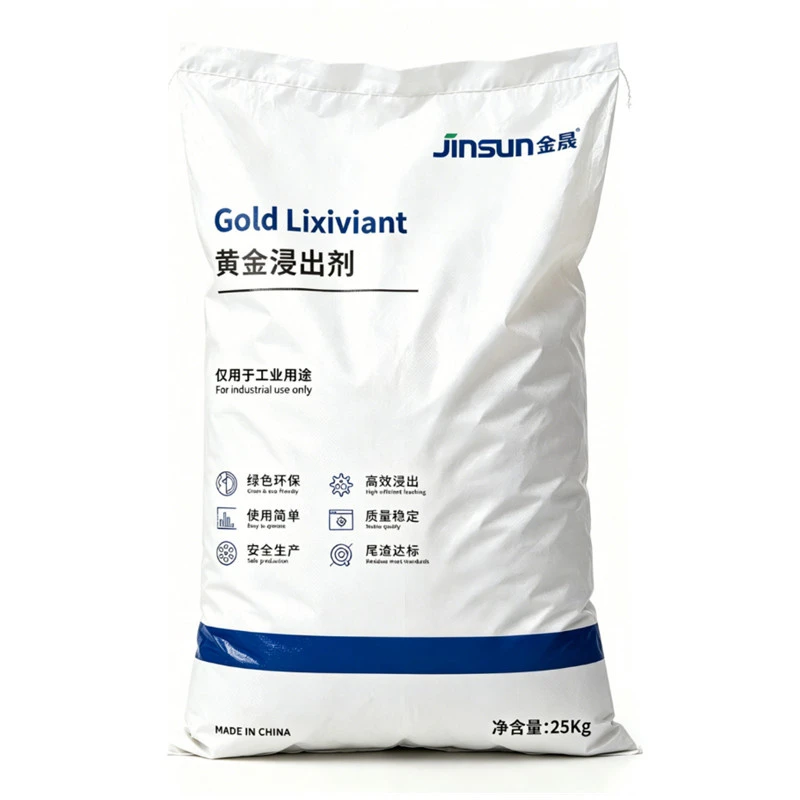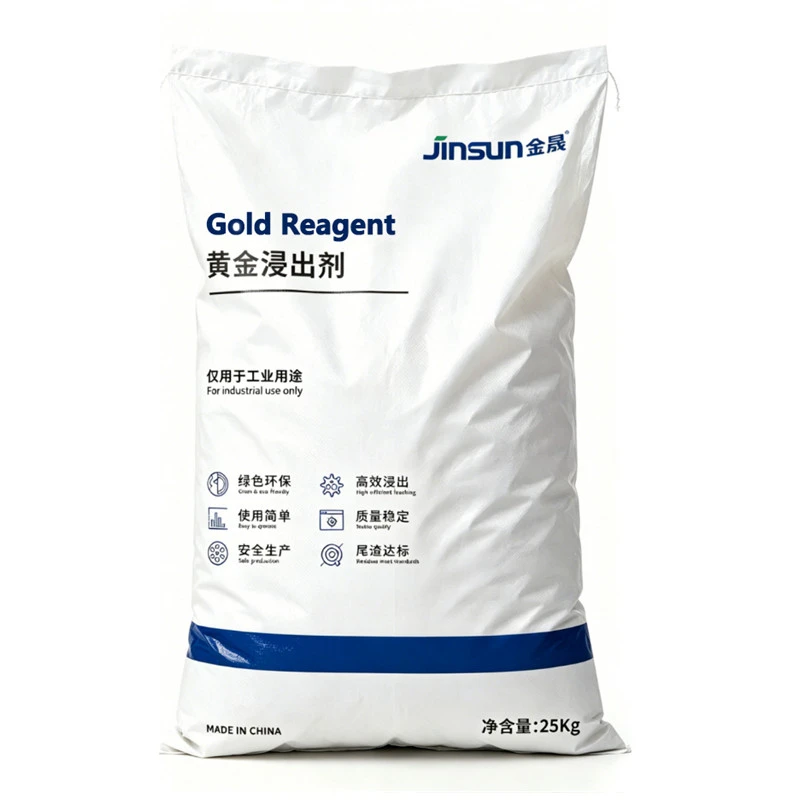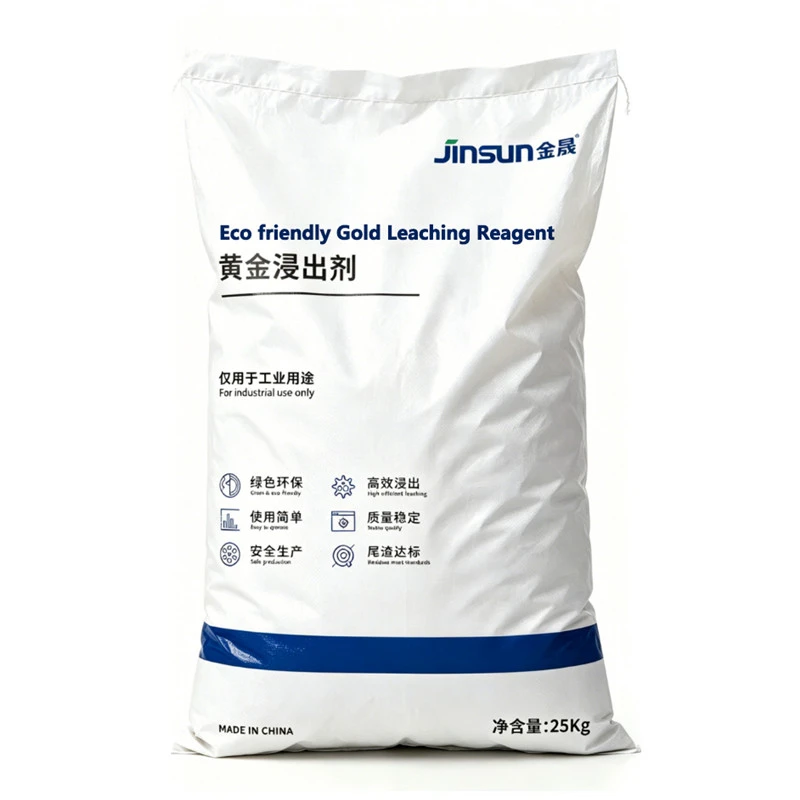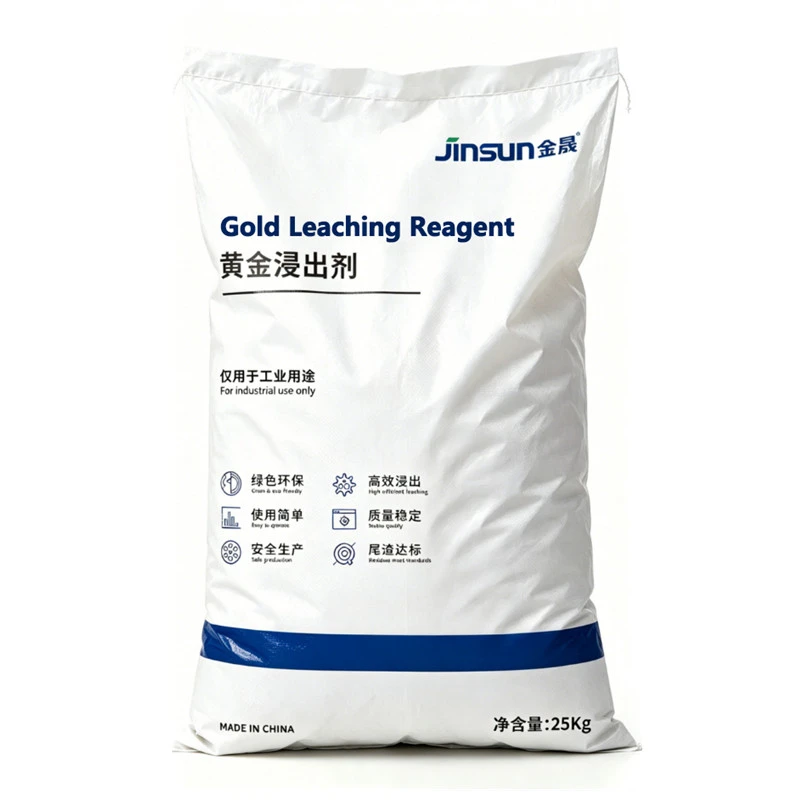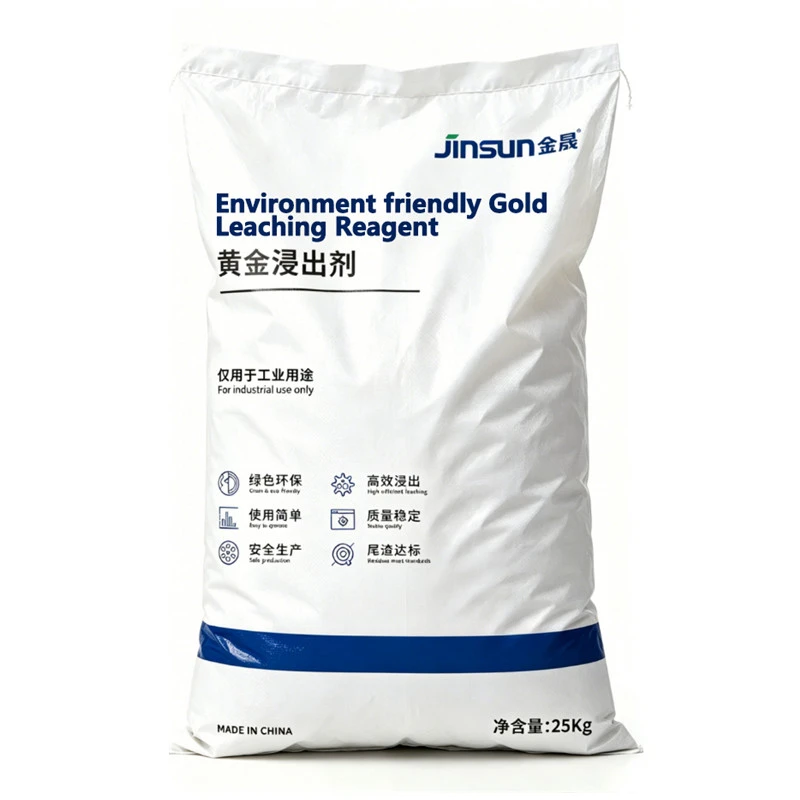
From a technical perspective, the mechanisms of action of gold beneficiation agents fall into two categories: first, they break down the ore crystal lattice through oxidation, releasing gold ions; second, they transform gold ions into a stable solution through complexation, facilitating subsequent separation. Environmentally friendly agents further optimize reaction conditions, avoiding the use of highly toxic cyanides and other traditional reagents, thus reducing the risk of environmental pollution. Their transportation and storage require strict moisture and water protection, and they must be stored separately to prevent chemical contamination, meeting the dual requirements of safety and environmental protection in modern industry.
In application scenarios, heap leaching is suitable for the large-scale processing of low-grade ores, achieving slow gold precipitation through agent penetration; pool leaching accelerates the reaction through stirring, making it suitable for the rapid purification of high-grade ores. Both processes rely on the stability and impurity tolerance of the beneficiation agent to reduce the cost of repeated processing. As gold mining expands to deeper and lower-grade ores, efficient and environmentally friendly beneficiation agents have become a key direction for technological upgrading in the industry.