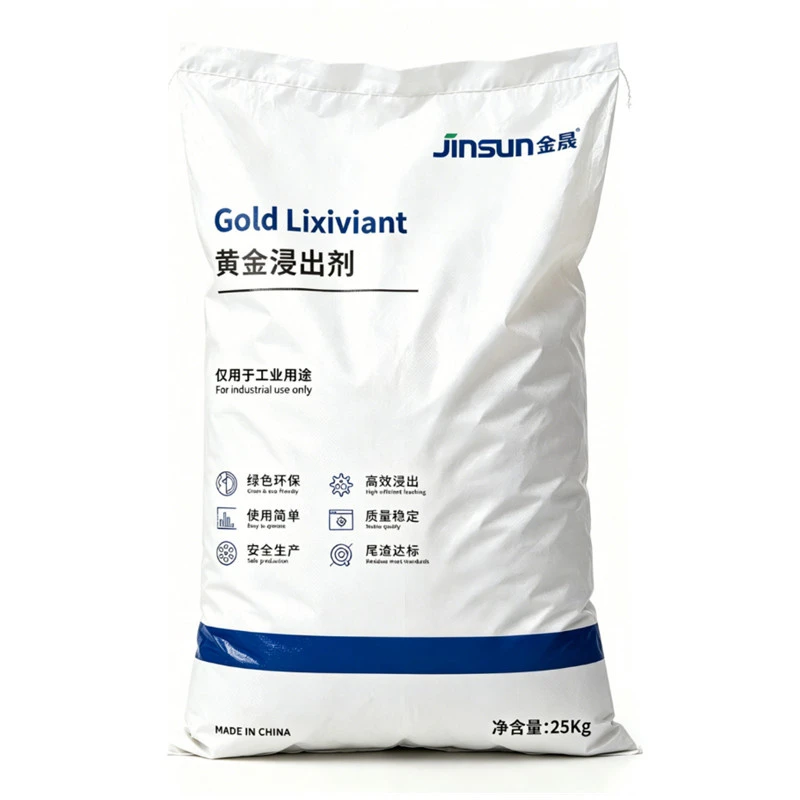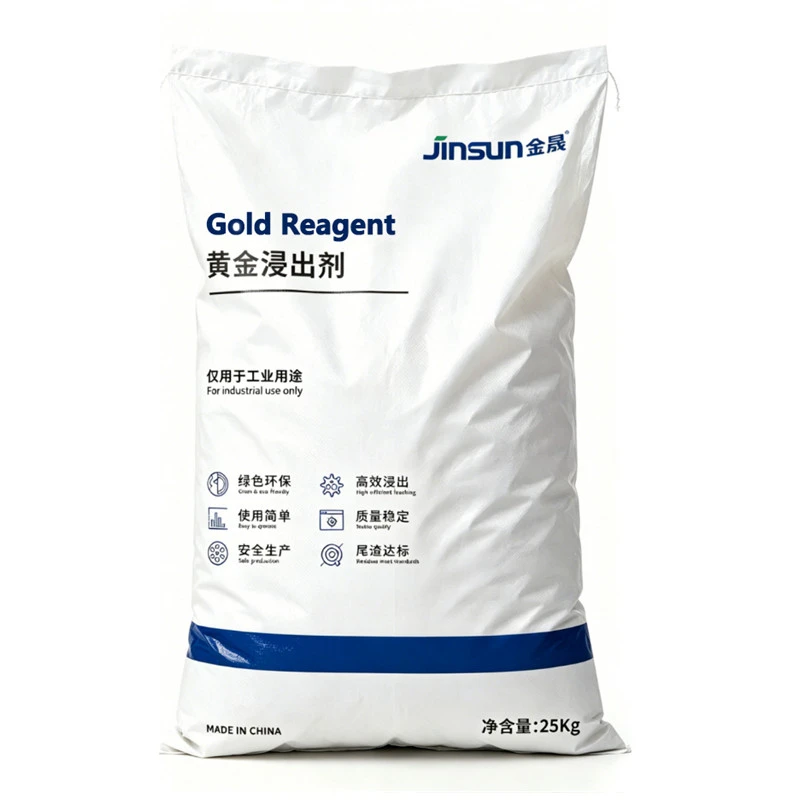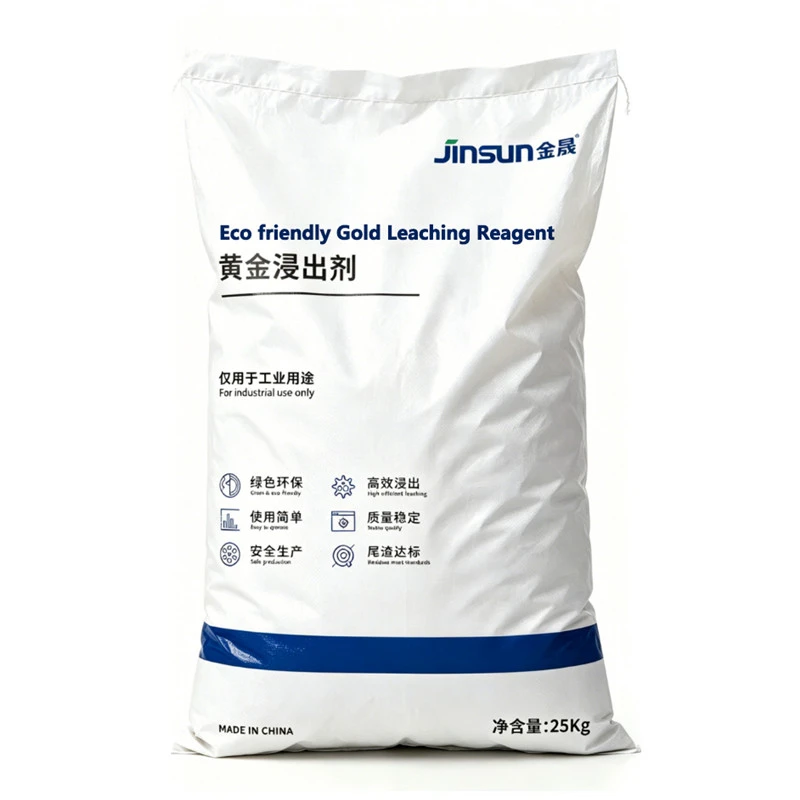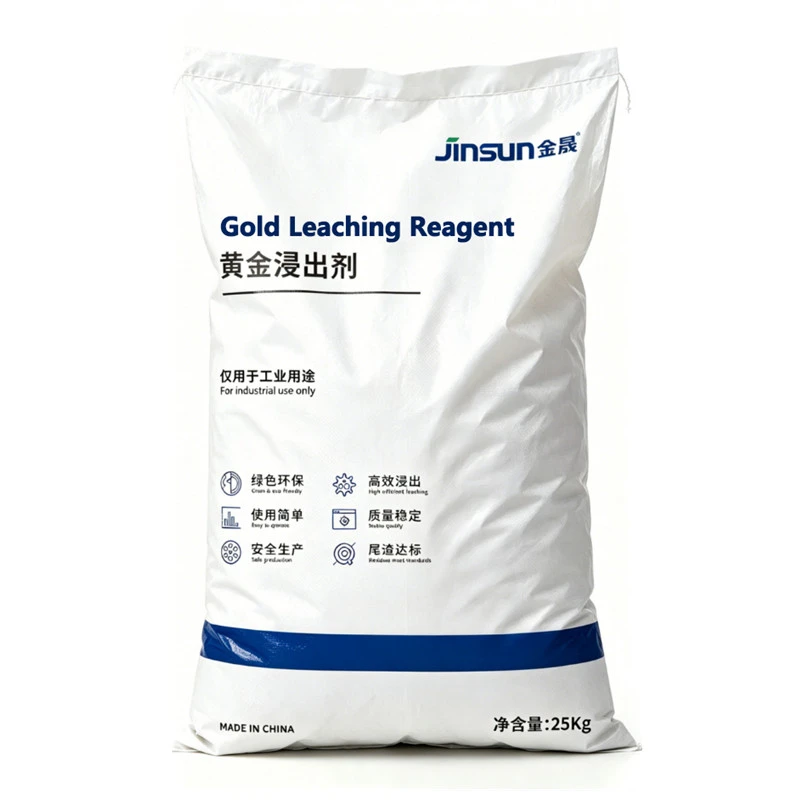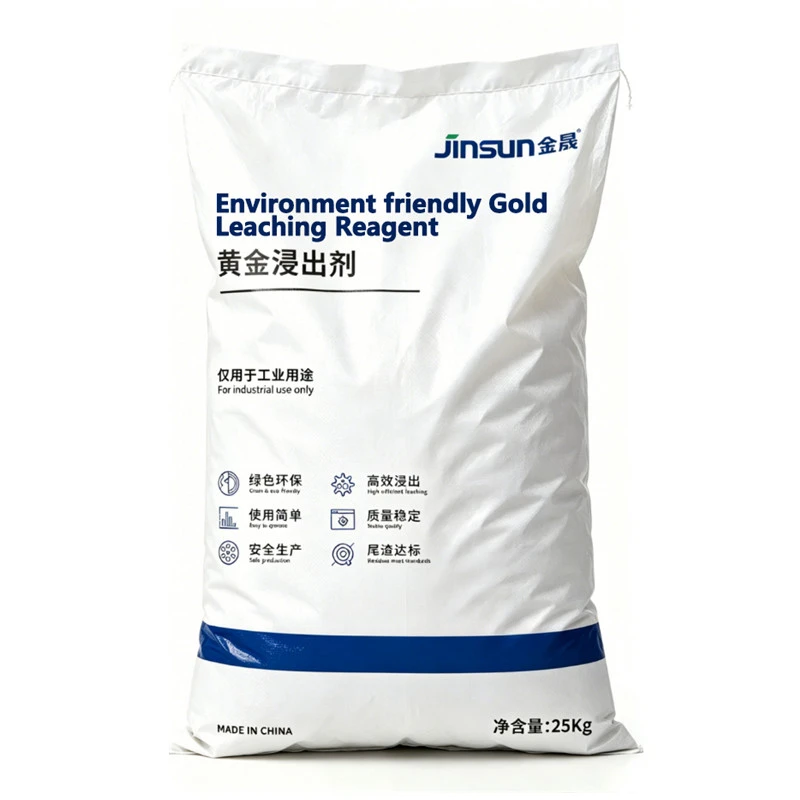
Gold reagents are high-purity reagents commonly used in chemical experiments, belonging to the category of analytical reagents, and are mainly used in experimental detection and chemical research. Their core component is primarily gold, purified through a special process to an effective component content of 99.50%. They possess characteristics such as high water solubility, low volatility, and long-term stability, meeting the stringent requirements of precision experiments for reagent purity and reliability.
The preparation of gold reagents requires control of several key parameters: a vapor pressure of 33900 mmHg at 25℃, indicating extremely low volatility; a density of 1.01 g/mL (20℃), close to that of water, facilitating experimental handling; and a high water solubility of 432 g/100 mL (25℃), allowing for rapid dissolution in common solvents and reducing experimental preparation time. Their stability stems from the homogeneity of their molecular structure, making them resistant to decomposition or reaction with containers at room temperature, ensuring the reproducibility of experimental data.