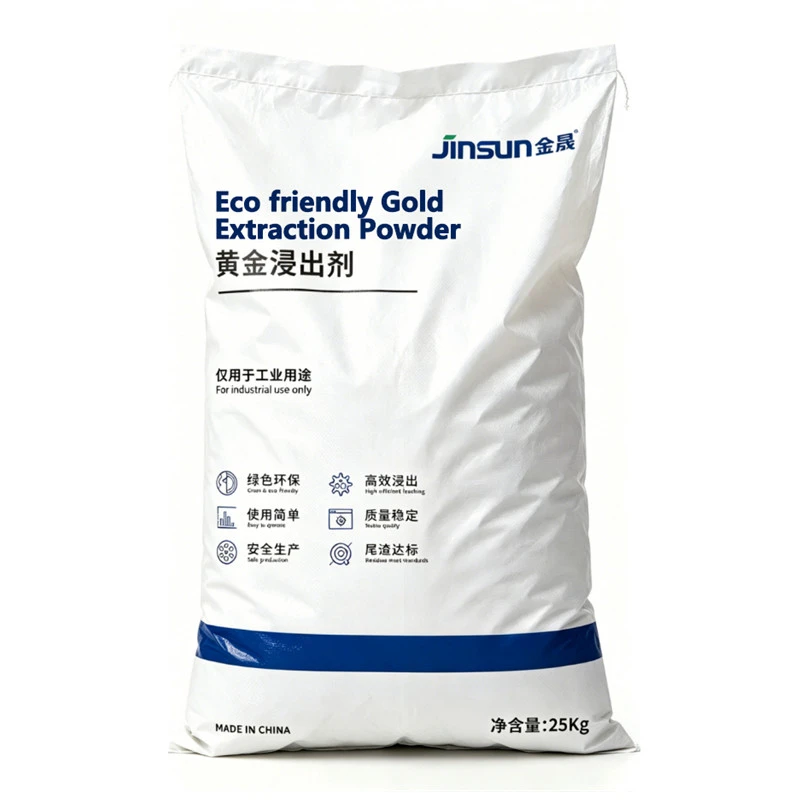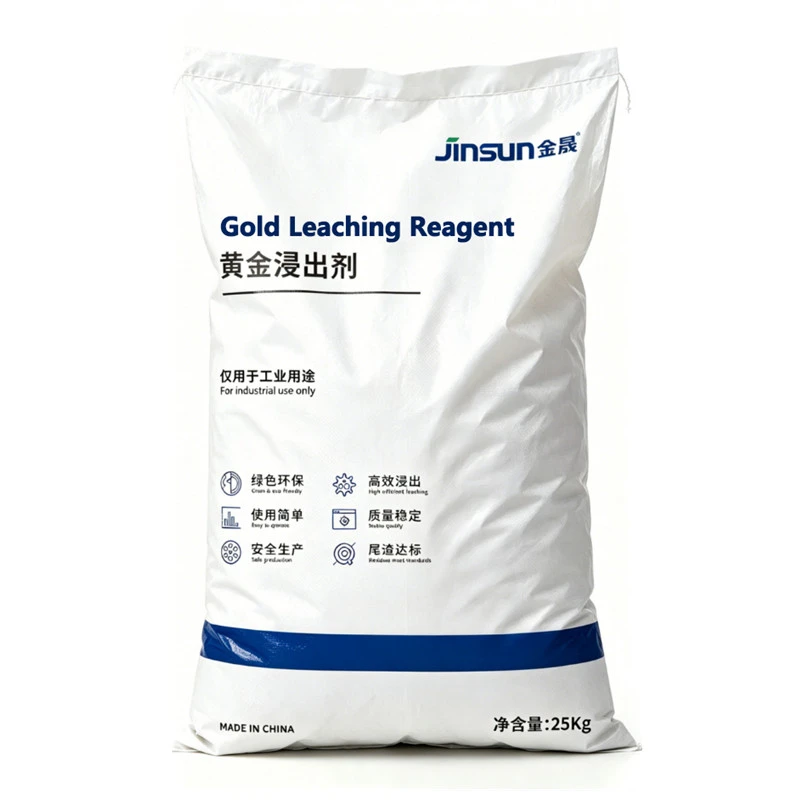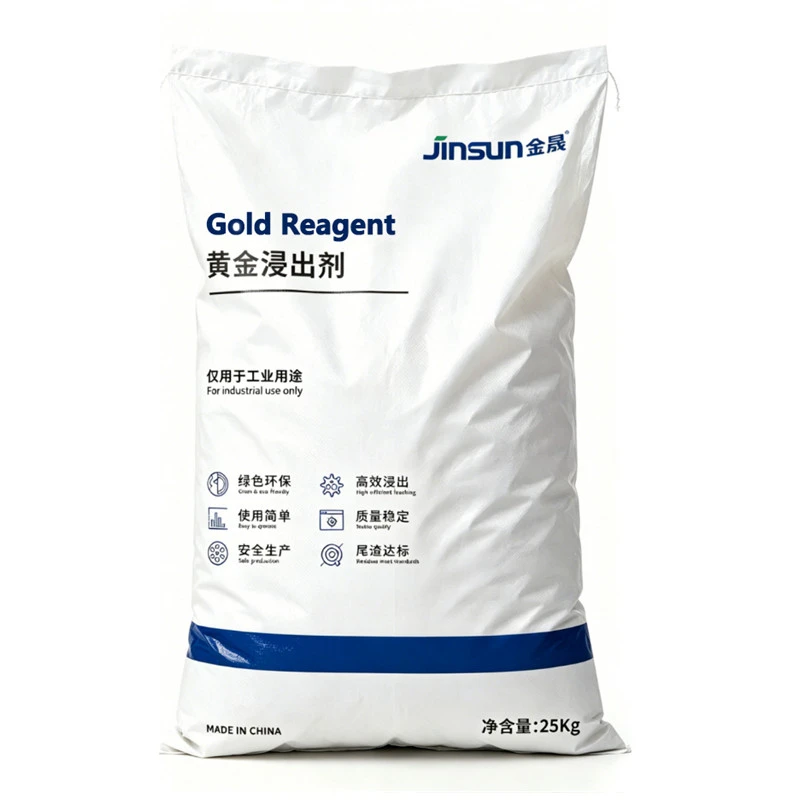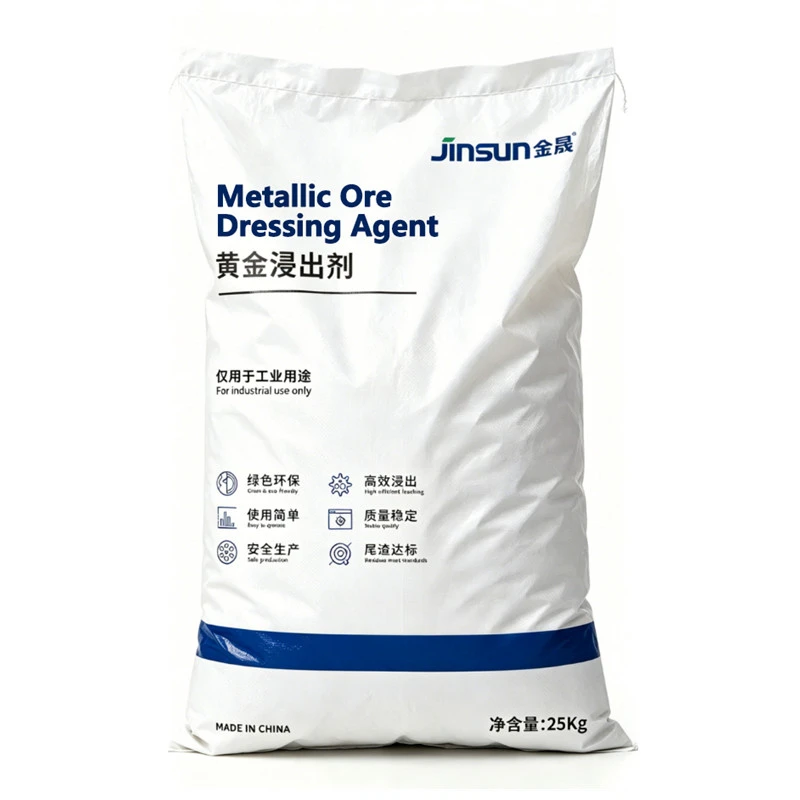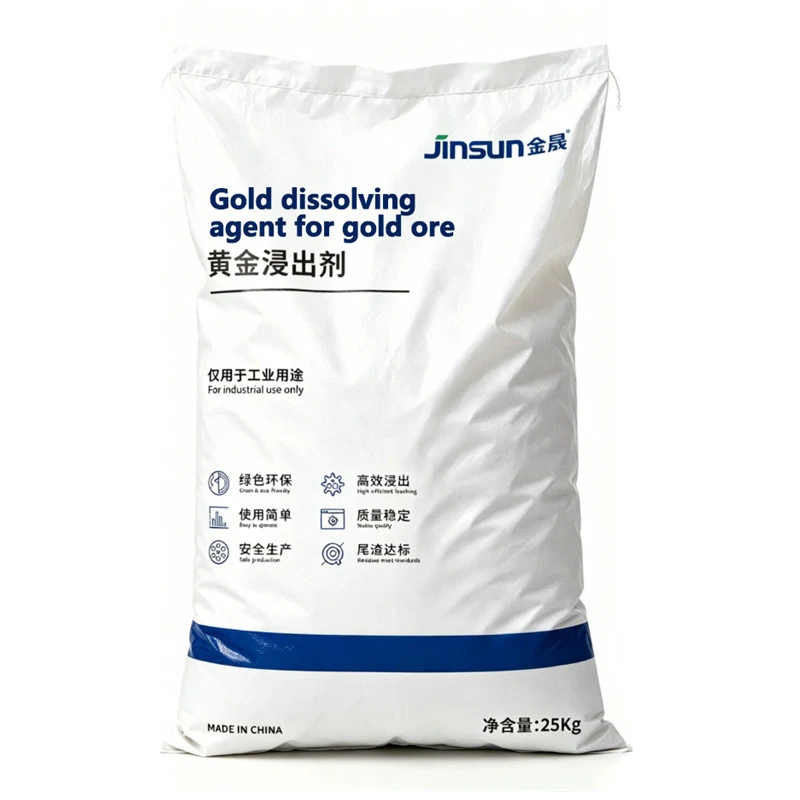

When it comes to gold extraction, heap leaching is a widely used method due to its cost - effectiveness and relatively low environmental impact compared to some other techniques. One of the most critical factors in successful gold heap leaching is choosing the right Gold Heap Leaching Reagent. As a Gold Heap Leaching Reagent supplier, I have witnessed firsthand the importance of this decision for mining companies and gold producers. In this blog post, I will share some insights on how to choose the right Gold Heap Leaching Reagent for your specific needs.
Understanding the Basics of Gold Heap Leaching Reagents
Before delving into the selection process, it's essential to understand what Gold Heap Leaching Reagents are and how they work. Gold Heap Leaching Reagents are chemicals used to dissolve gold from ore in a heap leaching operation. The most common traditional reagent is cyanide, which has been used for over a century due to its high efficiency in gold extraction. However, cyanide is highly toxic, posing significant environmental and safety risks. As a result, there has been a growing trend towards the development and use of alternative Gold Leaching Reagent, such as Gold Reagent and High Efficiency Gold Leaching Agent, which are less toxic and more environmentally friendly.
Factors to Consider When Choosing a Gold Heap Leaching Reagent
1. Gold Recovery Rate
The primary goal of any gold heap leaching operation is to maximize the recovery of gold from the ore. Therefore, the gold recovery rate is one of the most crucial factors to consider when choosing a Gold Heap Leaching Reagent. Different reagents have different gold - extraction efficiencies, which can vary depending on the type of ore, its mineralogy, and the operating conditions. For example, some ores may contain minerals that can interfere with the leaching process, and thus a reagent that can overcome these challenges is necessary. A high - quality Gold Heap Leaching Reagent should be able to achieve a high gold recovery rate while minimizing the loss of gold to the tailings.
2. Environmental Impact
In today's world, environmental concerns are at the forefront of every industry, including mining. The use of toxic reagents like cyanide can have severe environmental consequences, such as water pollution, soil contamination, and harm to wildlife. Therefore, it is essential to choose a Gold Heap Leaching Reagent that has a low environmental impact. Low Toxic Gold Leaching Agent is a popular choice as it reduces the risk of environmental damage while still providing effective gold extraction. These reagents are often biodegradable and have fewer hazardous by - products, making them more sustainable in the long run.
3. Cost - effectiveness
Cost is always a significant consideration in any business operation, and gold heap leaching is no exception. The cost of a Gold Heap Leaching Reagent includes not only the purchase price but also the cost of transportation, storage, and handling. In addition, some reagents may require additional processing steps or equipment, which can add to the overall cost. When choosing a reagent, it is important to consider the cost - effectiveness in terms of both the gold recovery rate and the overall operating cost. A more expensive reagent may be justified if it can achieve a significantly higher gold recovery rate, resulting in increased revenues.
4. Compatibility with Ore Type
Not all Gold Heap Leaching Reagents are suitable for every type of ore. The mineralogy of the ore, including the presence of other metals and minerals, can have a significant impact on the performance of the reagent. For example, some ores may contain sulfide minerals, which can react with the leaching reagent and reduce its effectiveness. In such cases, a reagent that is specifically designed to handle sulfide - bearing ores may be required. Therefore, it is essential to conduct ore analysis before choosing a reagent to ensure compatibility.
5. Safety
Safety is a top priority in any mining operation. The handling and use of Gold Heap Leaching Reagents involve potential risks, such as chemical exposure, fire, and explosion. Therefore, it is important to choose a reagent that is safe to handle and use. Low - toxicity reagents are generally safer than traditional cyanide - based reagents, as they pose fewer health risks to workers and the environment. In addition, the supplier should provide comprehensive safety information and guidelines for the proper use and storage of the reagent.
Evaluating the Quality of Gold Heap Leaching Reagents
1. Laboratory Testing
Before using a Gold Heap Leaching Reagent in a large - scale operation, it is advisable to conduct laboratory tests. These tests can provide valuable information about the reagent's performance, including the gold recovery rate, the leaching kinetics, and the compatibility with the ore. Laboratory tests can also help to optimize the leaching process parameters, such as the reagent concentration, the leaching time, and the temperature.
2. Supplier Reputation
The reputation of the reagent supplier is an important factor to consider. A reliable supplier should have a proven track record of providing high - quality reagents and excellent customer service. They should also be able to provide technical support and assistance throughout the leaching process. You can check the supplier's reputation by reading customer reviews, testimonials, and case studies.
3. Product Certification
Certification of the Gold Heap Leaching Reagent can provide an additional level of assurance regarding its quality and safety. Look for reagents that have been certified by relevant regulatory bodies or industry standards organizations. These certifications can indicate that the reagent meets certain quality and environmental standards.
Making the Right Choice
Once you have considered all the factors and evaluated the quality of the reagents, it is time to make a decision. It is recommended to consult with experts in the field, such as metallurgists or mining engineers, who can provide valuable insights and advice based on their experience.
In addition, it may be beneficial to conduct a pilot - scale test before implementing the reagent in a full - scale operation. A pilot - scale test can help to further evaluate the reagent's performance under real - world conditions and provide an opportunity to make any necessary adjustments to the process.
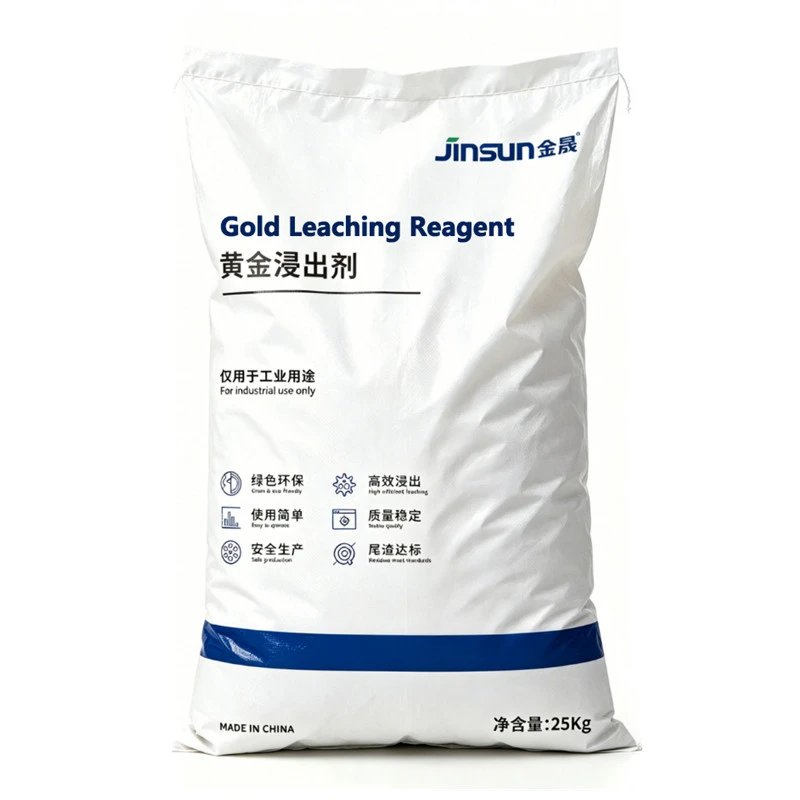
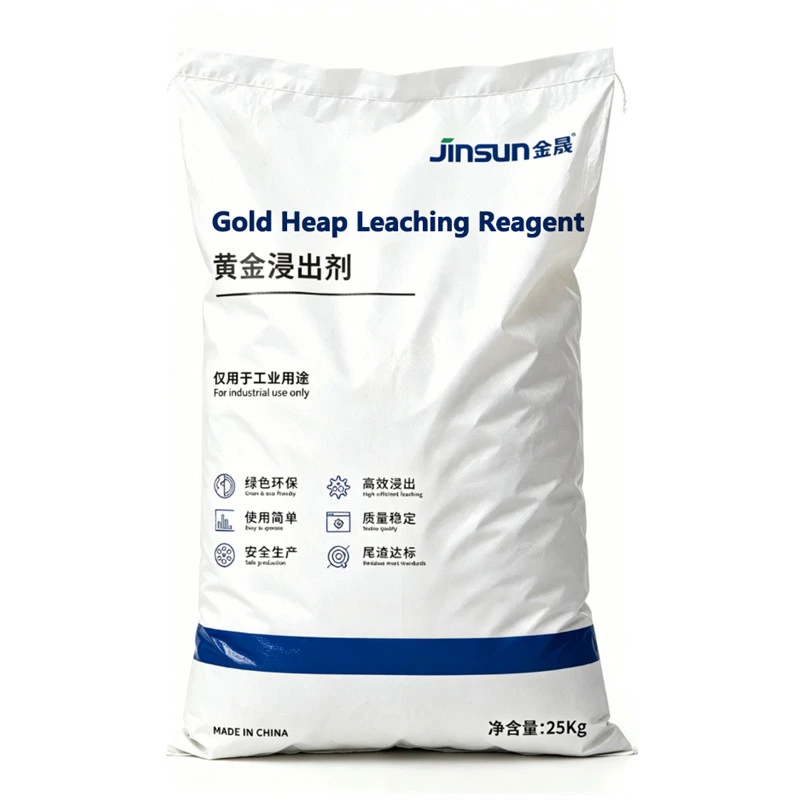
As a Gold Heap Leaching Reagent supplier, we are committed to providing high - quality, environmentally friendly, and cost - effective reagents to our customers. Our team of experts is available to assist you in choosing the right reagent for your specific needs and to provide technical support throughout the leaching process.
If you are interested in learning more about our Gold Heap Leaching Reagents or would like to discuss your specific requirements, we encourage you to contact us for a detailed consultation and procurement discussion. Our goal is to help you achieve the highest possible gold recovery rate while minimizing the environmental impact and operating cost of your gold heap leaching operation.
References
- Peacey, J. G., & Davenport, W. G. (1990). Extractive Metallurgy of Gold. Society for Mining, Metallurgy, and Exploration.
- Marsden, J. O., & House, C. I. (2006). The Chemistry of Gold Extraction (2nd ed.). Society for Mining, Metallurgy, and Exploration.
- Senanayake, G. (2015). Alternative lixiviants to cyanide for leaching gold ores. Minerals Engineering, 76, 28 - 48.