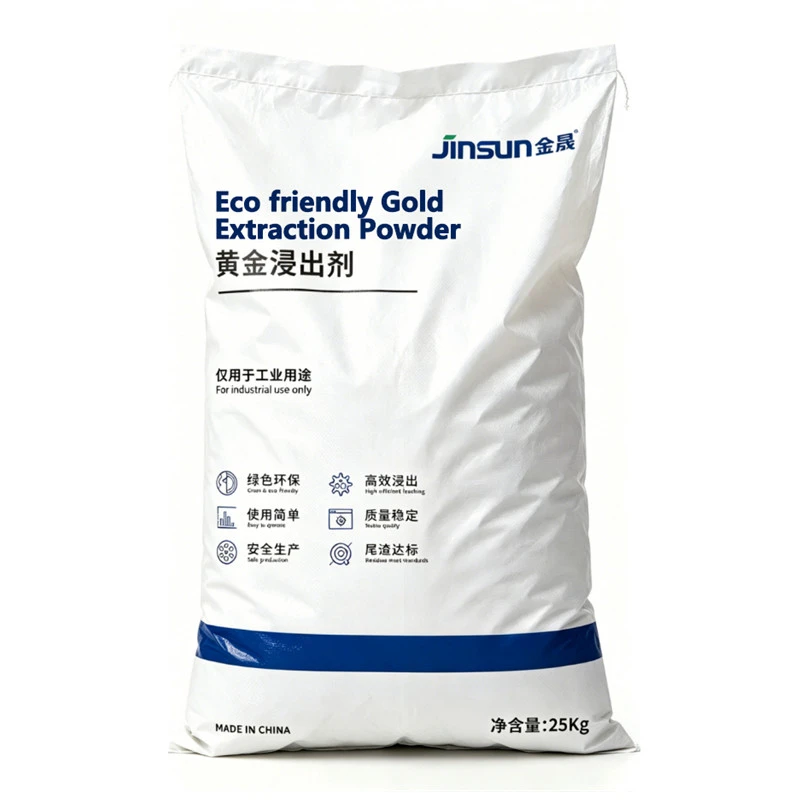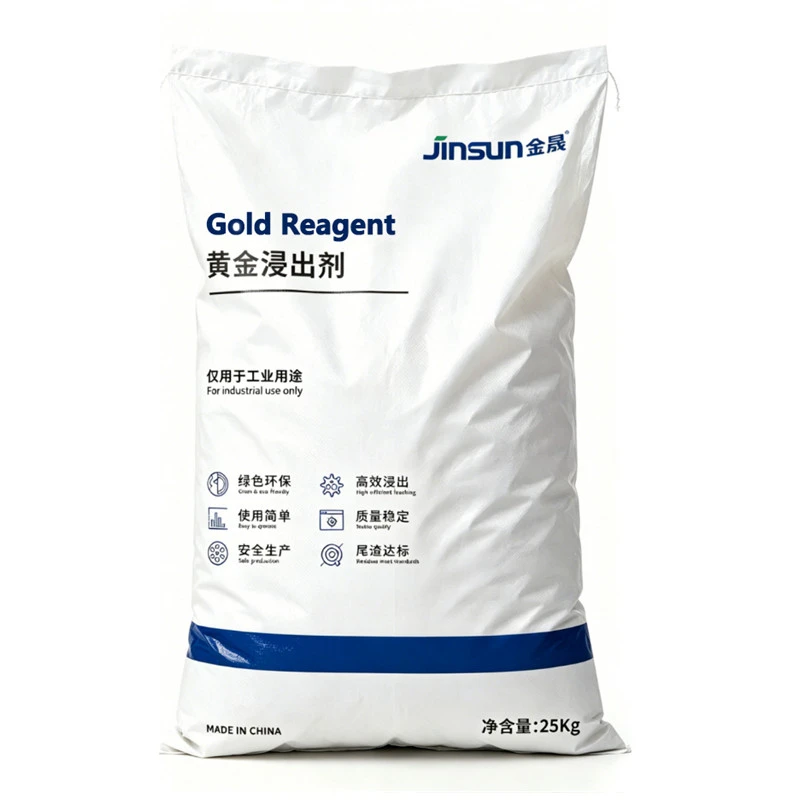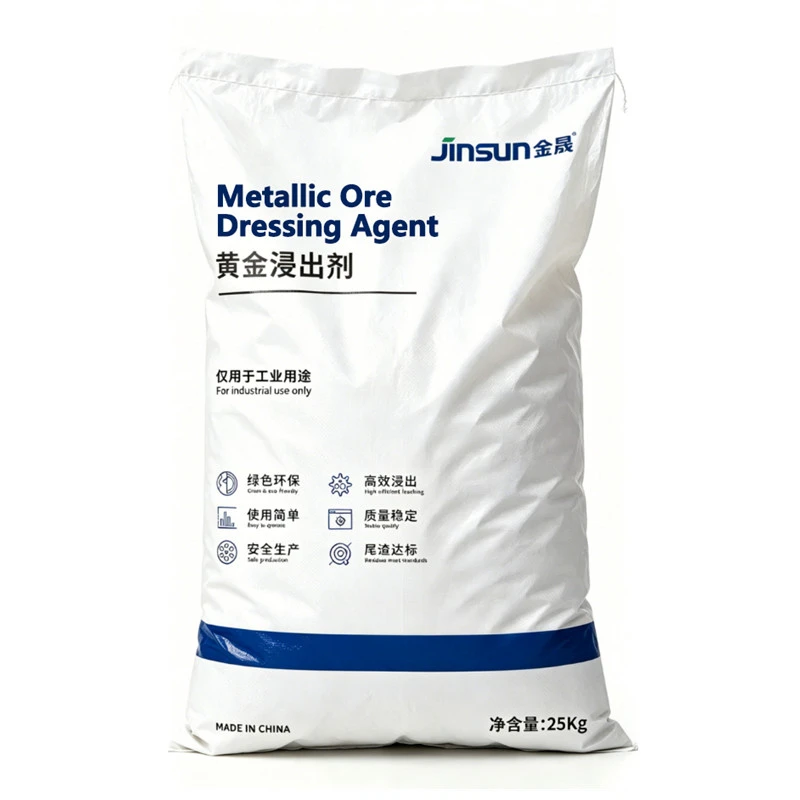

Metallic ore dressing is a crucial process in the mining industry, aiming to separate valuable metallic minerals from gangue minerals. Metallic ore dressing agents play a significant role in this process, influencing the liberation of metallic minerals. As a leading supplier of metallic ore dressing agents, I have witnessed firsthand the transformative effects of these agents on the efficiency and effectiveness of ore dressing operations. In this blog, I will delve into the various effects of metallic ore dressing agents on the liberation of metallic minerals.
1. Surface Modification and Selective Attachment
One of the primary effects of metallic ore dressing agents is their ability to modify the surface properties of minerals. Different minerals have distinct surface characteristics, such as wettability, charge, and chemical reactivity. Metallic ore dressing agents can selectively adsorb onto the surfaces of specific minerals, altering their surface properties and promoting their separation from other minerals.
For instance, collectors are a type of ore dressing agent that selectively attach to the surfaces of valuable metallic minerals. These collectors typically have a polar group that can interact with the mineral surface and a non - polar group that makes the mineral hydrophobic. When added to the ore slurry, collectors adsorb onto the surfaces of the target metallic minerals, making them more likely to attach to air bubbles during flotation. This is a key process for the liberation of many metallic minerals, especially sulfide ores. The use of appropriate collectors can significantly improve the selectivity of the flotation process, allowing for the efficient separation of valuable minerals from gangue.
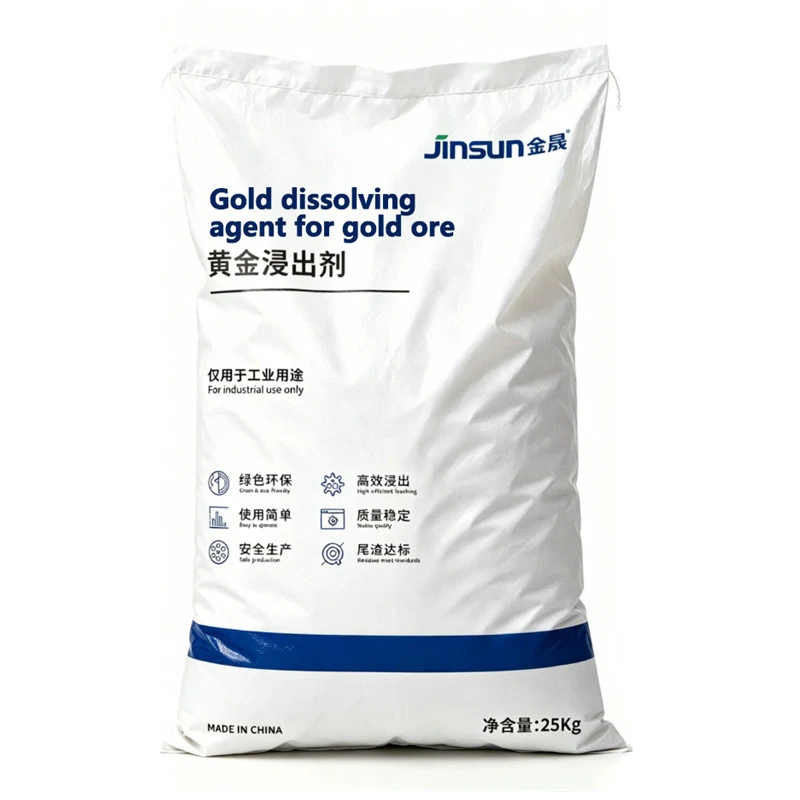
As a supplier, we offer a range of collectors tailored to different types of metallic ores. Our Gold Dissolving Agent For Gold Ore is designed to selectively interact with gold - bearing minerals, enhancing their floatability and facilitating their liberation from the surrounding rock. This agent has been proven to increase the gold recovery rate in many gold mining operations.
2. Dispersion and Agglomeration
Metallic ore dressing agents can also affect the dispersion or agglomeration of mineral particles. In an ore slurry, mineral particles may exist in a state of aggregation, which can hinder the liberation process. Dispersants are used to break up these aggregates and keep the mineral particles dispersed in the slurry. This ensures that each particle has an equal chance of interacting with the dressing agents and being separated.
On the other hand, agglomerating agents can be used to cause the selective agglomeration of certain minerals. For example, in some cases, fine - grained metallic minerals may be difficult to separate by traditional methods. Agglomerating agents can be used to bind these fine particles together, forming larger agglomerates that are easier to handle and separate.
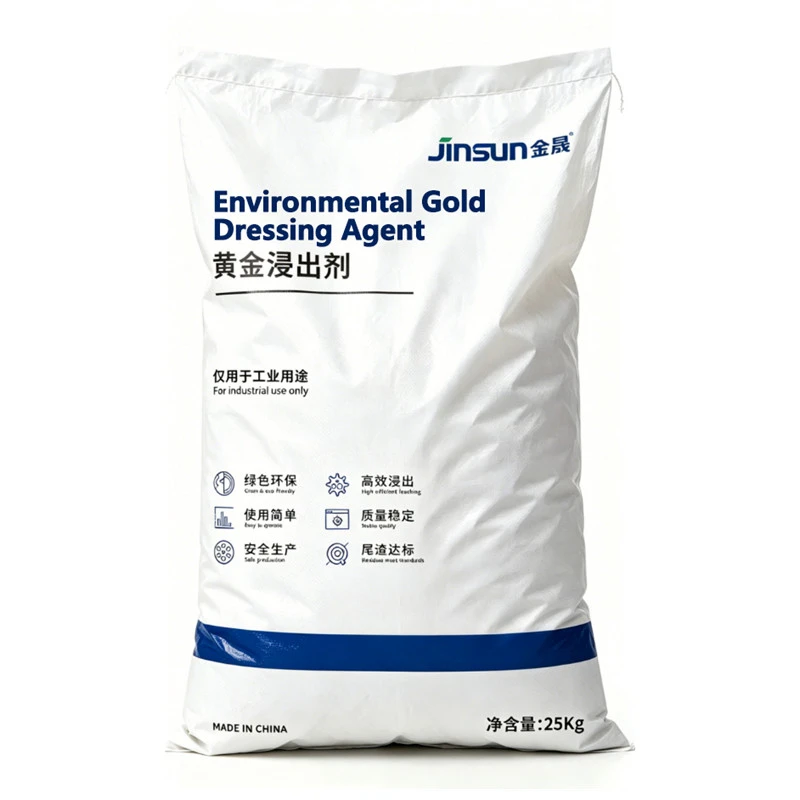
Our Environmental Gold Dressing Agent not only has excellent collecting properties but also helps in maintaining the proper dispersion of the ore particles in the slurry. This dual action ensures a more efficient and environmentally friendly gold - dressing process.
3. Depression and Activation
Another important effect of ore dressing agents is their ability to depress or activate the floatability of minerals. Depressants are used to prevent the flotation of certain minerals, while activators enhance the floatability of others.
For example, in the separation of copper - iron sulfide ores, depressants are often used to prevent the flotation of iron sulfide minerals, while collectors selectively float the copper sulfide minerals. By adjusting the dosage and type of depressants, it is possible to achieve a high - quality copper concentrate.
Activators are used when the natural floatability of a mineral is low. They can change the surface properties of the mineral, making it more receptive to collectors. Our Non Cyanide Gold Leaching Reagent can act as an activator in some gold - ore systems, enhancing the dissolution and liberation of gold from the ore matrix.
4. Chemical Reaction with Minerals
Metallic ore dressing agents can also participate in chemical reactions with the minerals. For example, leaching agents are used to dissolve metallic minerals from the ore. These agents react with the minerals, forming soluble complexes that can be easily separated from the gangue.
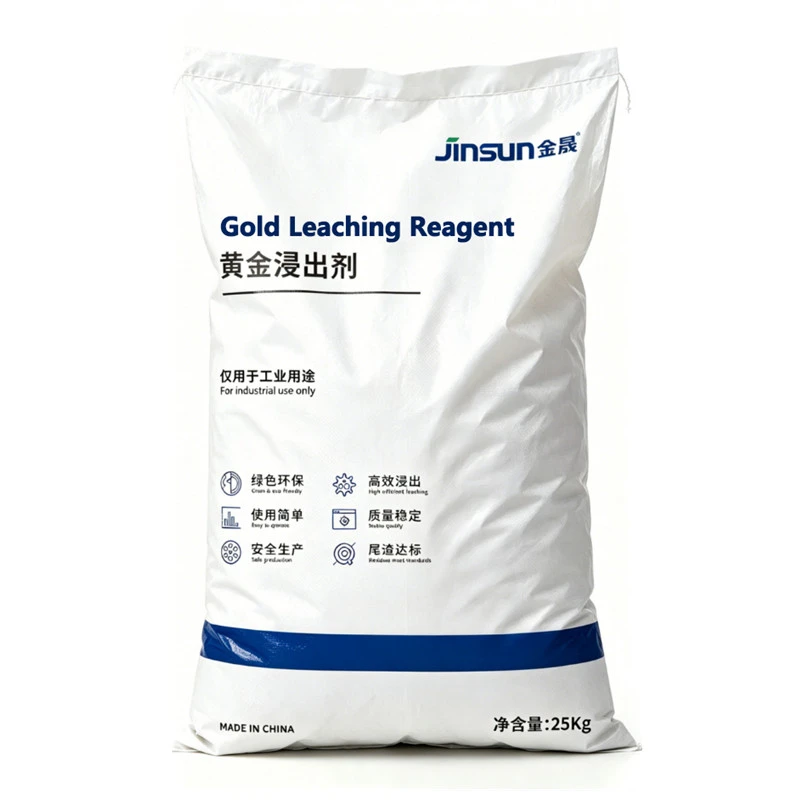
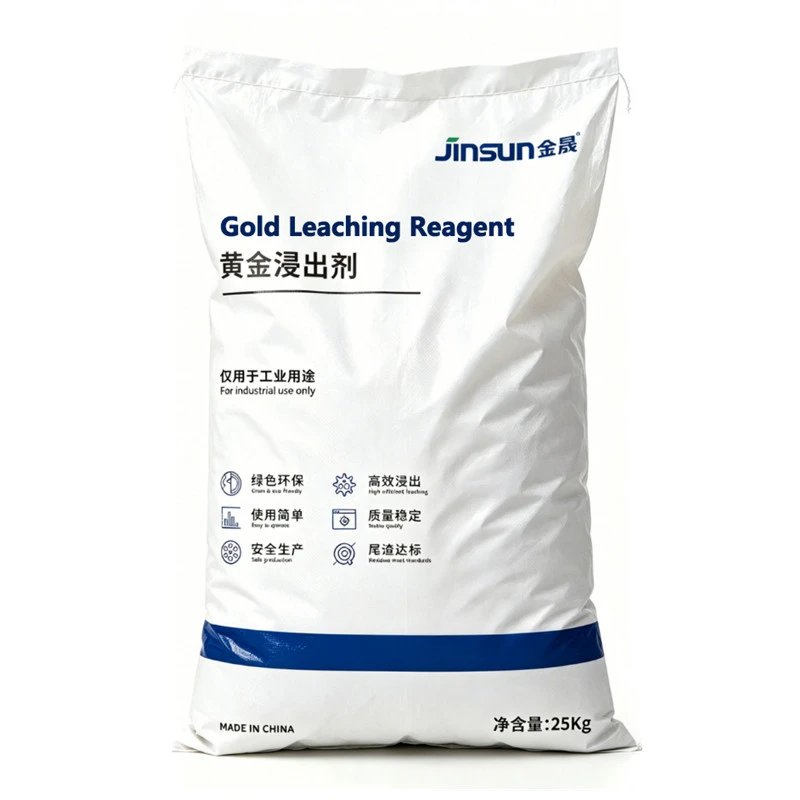
Our Gold Leaching Reagent is formulated to react with gold - bearing minerals under specific conditions. It can break down the chemical bonds holding the gold in the ore, allowing for its efficient extraction. This process is particularly important for refractory gold ores, where the gold is tightly bound to other minerals.
In addition, some ore dressing agents can prevent the oxidation of metallic minerals during the dressing process. Oxidation can change the surface properties of the minerals, reducing their floatability and recoverability. By using anti - oxidation agents, we can ensure that the metallic minerals remain in a suitable state for separation.
5. Impact on Liberation Efficiency
The overall effect of metallic ore dressing agents on the liberation of metallic minerals is reflected in the improvement of liberation efficiency. Liberation efficiency refers to the degree to which valuable metallic minerals are separated from gangue minerals. By using appropriate ore dressing agents, we can increase the liberation efficiency, which in turn leads to higher recovery rates of valuable metals.
Higher liberation efficiency also means that less energy and resources are required for the subsequent processing steps. For example, if the metallic minerals are well - liberated during the dressing process, the smelting and refining processes will be more efficient, reducing the overall cost of metal production.
Our Gold Striping Reagent is designed to improve the liberation of gold from the loaded adsorbents. It can effectively strip the gold from the adsorbents, ensuring a high - purity gold product and improving the overall efficiency of the gold - dressing process.
6. Environmental Considerations
In recent years, environmental concerns have become increasingly important in the mining industry. As a responsible supplier of metallic ore dressing agents, we are committed to developing and providing environmentally friendly products.
Many of our ore dressing agents are designed to be non - toxic, biodegradable, and have a low impact on the environment. For example, our non - cyanide gold - leaching reagents are a safer alternative to traditional cyanide - based reagents. They can achieve similar or even better gold - extraction results while reducing the environmental risks associated with cyanide use.
Conclusion
Metallic ore dressing agents have a profound impact on the liberation of metallic minerals. Through surface modification, dispersion and agglomeration control, depression and activation, chemical reactions, and improvement of liberation efficiency, these agents play a vital role in the mining and metallurgical industries.
As a supplier, we are dedicated to providing high - quality metallic ore dressing agents that meet the diverse needs of our customers. Our products are backed by extensive research and development, ensuring their effectiveness and reliability.
If you are involved in the metallic ore dressing industry and are looking for reliable ore dressing agents, we invite you to contact us for a procurement consultation. We are ready to work with you to optimize your ore - dressing process and achieve the best results.
References
- Wills, B. A., & Napier - Munn, T. (2006). Wills' Mineral Processing Technology. Butterworth - Heinemann.
- Fuerstenau, D. W., & Han, K. N. (2003). Principles of Flotation. The Society for Mining, Metallurgy, and Exploration.
- Gaudin, A. M. (1939). Flotation. McGraw - Hill.