
As a supplier of Gold Leaching Auxiliary Agent, I've seen firsthand the importance of proper storage. Gold leaching is a crucial process in the mining industry, and the quality of the auxiliary agent can significantly impact the efficiency and effectiveness of gold extraction. So, let's dive into how to store this stuff properly.
Understanding the Gold Leaching Auxiliary Agent
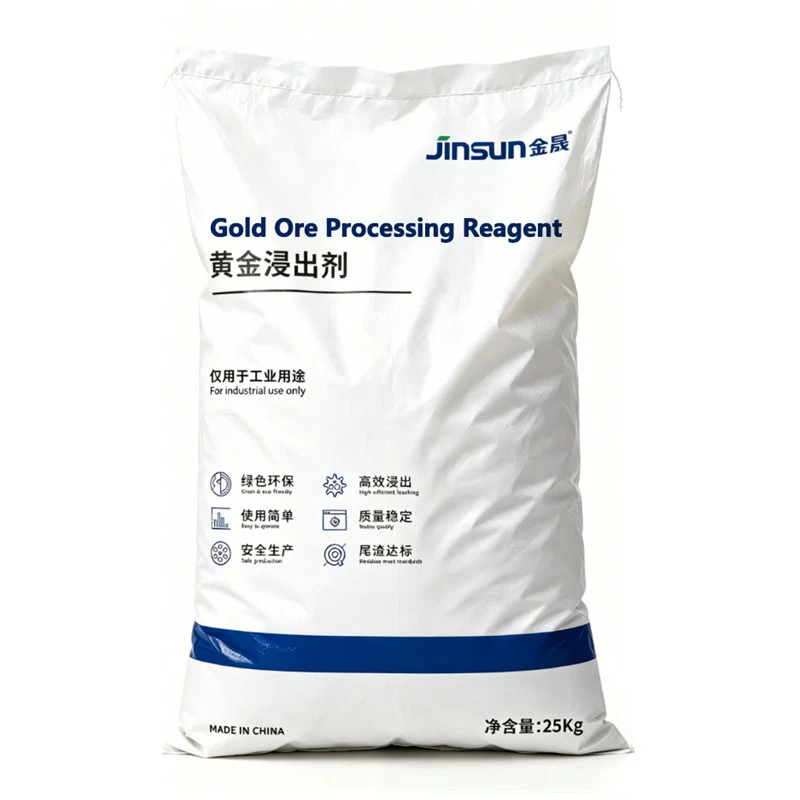
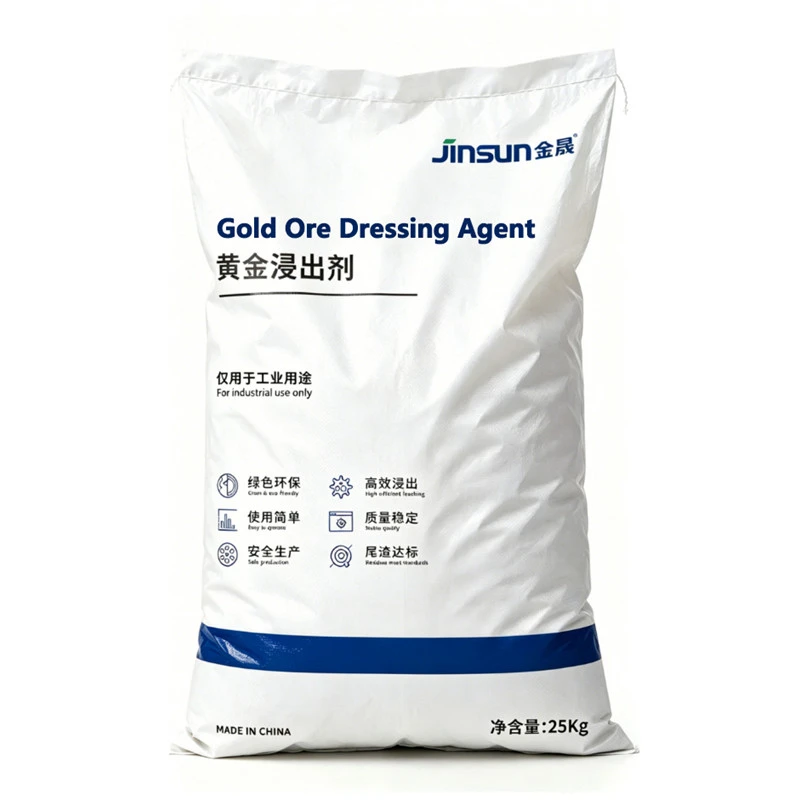
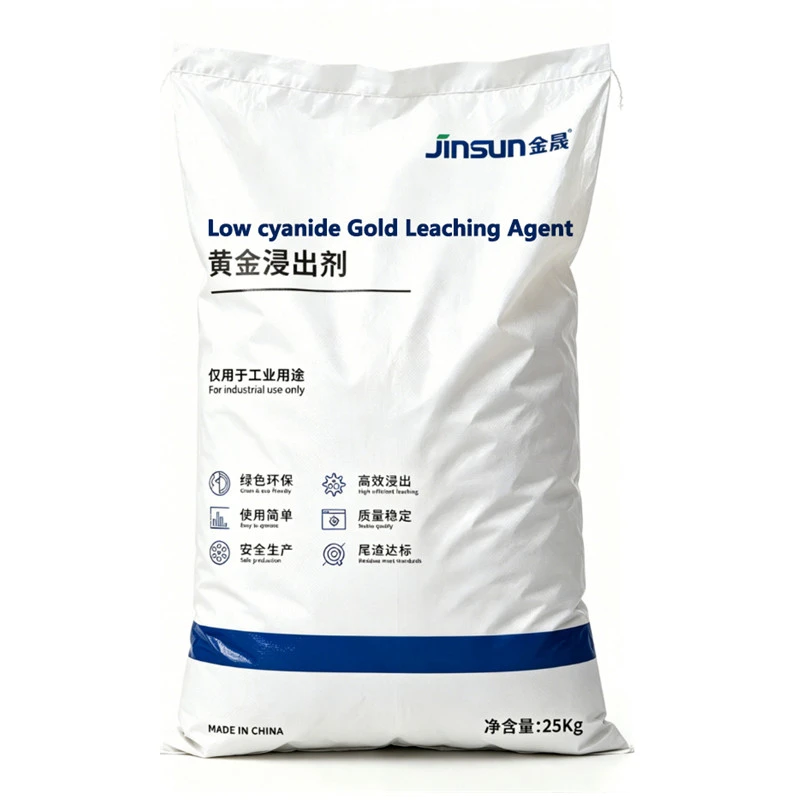
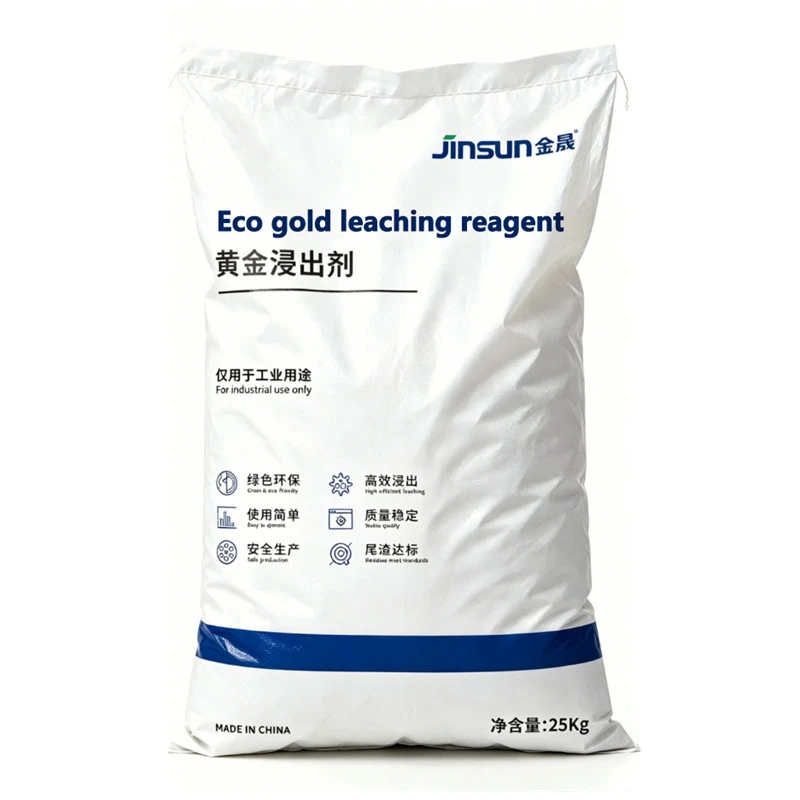
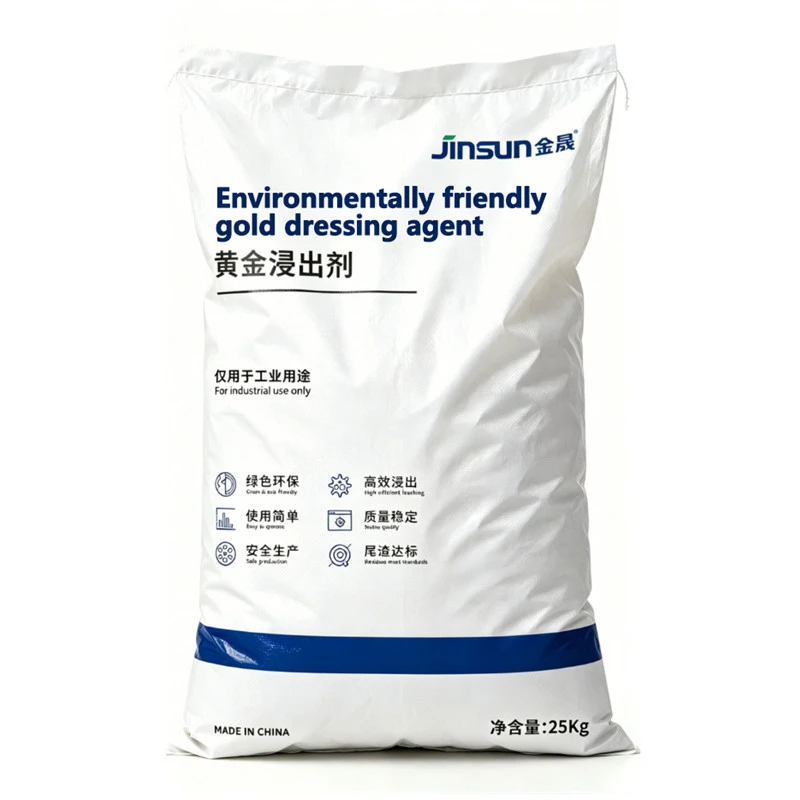
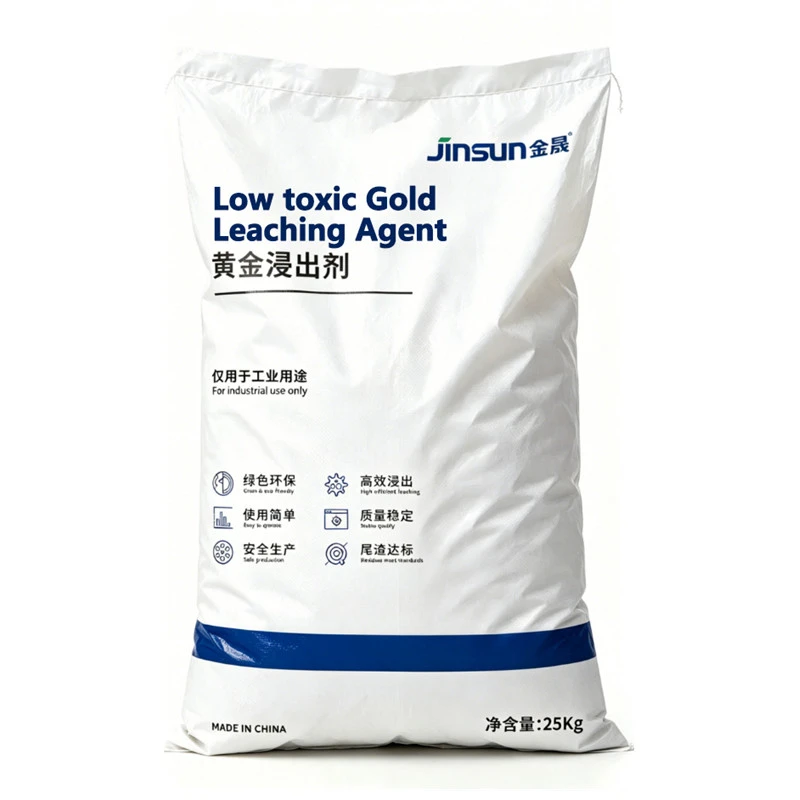
Before we talk about storage, it's important to understand what Gold Leaching Auxiliary Agent is. It's a chemical compound that helps in the extraction of gold from ore. There are different types, like Gold Ore Dressing Agent, Low Toxic Gold Leaching Agent, and Environmentally Friendly Gold Dressing Agent. Each type has its own characteristics, but they all need to be stored correctly to maintain their properties.
Storage Conditions
Temperature
Temperature plays a big role in storing Gold Leaching Auxiliary Agent. Most of these agents are sensitive to extreme temperatures. High temperatures can cause the agent to break down or react with other substances, reducing its effectiveness. On the other hand, very low temperatures can make the agent solidify or become less soluble.
For most Gold Leaching Auxiliary Agents, a storage temperature between 10°C and 30°C is ideal. You can use a thermometer in the storage area to monitor the temperature regularly. If the temperature goes outside this range, you might need to take action, like using a heater or an air - conditioner to adjust it.
Humidity
Humidity is another factor to consider. High humidity can cause the agent to absorb moisture from the air, which can lead to clumping or chemical reactions. This can change the physical and chemical properties of the agent.
To control humidity, you can use dehumidifiers in the storage area. Aim for a relative humidity of around 40% - 60%. You can also store the agent in sealed containers to prevent moisture from getting in.
Light
Some Gold Leaching Auxiliary Agents are sensitive to light. Exposure to sunlight or strong artificial light can cause photochemical reactions, which can degrade the agent.
Store the agent in a dark place or use opaque containers. If you have to use transparent containers, make sure they are kept away from direct light sources.
Storage Containers
The choice of storage containers is crucial. You need containers that are made of materials that won't react with the Gold Leaching Auxiliary Agent.
Material
Stainless steel or high - density polyethylene (HDPE) containers are good choices. Stainless steel is durable and resistant to corrosion. HDPE is lightweight, non - reactive, and can be easily sealed. Avoid using containers made of materials like copper or iron, as they can react with the agent and contaminate it.
Sealing
Make sure the containers are properly sealed. A good seal prevents air, moisture, and other contaminants from getting in. You can use gaskets or lids with a tight - fitting design.
Storage Location
Ventilation
The storage location should be well - ventilated. This helps to prevent the buildup of fumes or gases that might be released by the Gold Leaching Auxiliary Agent. Good ventilation also reduces the risk of fire or explosion in case of a chemical reaction.
You can install exhaust fans or open windows regularly to ensure proper air circulation.
Isolation
Keep the Gold Leaching Auxiliary Agent away from other chemicals, especially those that might react with it. For example, don't store it near acids or bases. This can prevent unwanted chemical reactions and ensure the safety of the storage area.
Safety
The storage area should be equipped with safety equipment, such as fire extinguishers and spill kits. In case of an accident, like a spill or a fire, you can quickly take action to minimize the damage.
Handling During Storage
Labeling
Properly label the storage containers. The label should include the name of the Gold Leaching Auxiliary Agent, its chemical composition, the date of storage, and any safety instructions. This makes it easy to identify the agent and handle it correctly.
Inventory Management
Keep track of your inventory. Know how much Gold Leaching Auxiliary Agent you have in stock, when it was received, and when it will expire. This helps you to use the agent in a timely manner and avoid waste.
Monitoring and Maintenance
Regular Checks
Regularly check the storage area and the containers. Look for signs of damage, such as leaks or cracks in the containers. Also, check the temperature, humidity, and ventilation to make sure they are within the acceptable range.
Testing
Periodically test the Gold Leaching Auxiliary Agent to ensure its quality. You can conduct simple tests, like checking its solubility or its ability to leach gold from a sample ore. If the test results are not satisfactory, you might need to replace the agent.
Why Proper Storage Matters
Proper storage of Gold Leaching Auxiliary Agent is not just about keeping it in good condition. It also has a big impact on the gold leaching process.
When the agent is stored correctly, it maintains its chemical properties, which means it can work effectively in the leaching process. This leads to higher gold recovery rates and better overall efficiency in the mining operation.
On the other hand, if the agent is not stored properly, it can lose its effectiveness, which can result in lower gold recovery and increased costs.
Conclusion
Storing Gold Leaching Auxiliary Agent properly is essential for maintaining its quality and ensuring the success of the gold leaching process. By following the guidelines on temperature, humidity, light, storage containers, location, handling, monitoring, and maintenance, you can keep your agent in top - notch condition.
If you're in the market for high - quality Gold Leaching Auxiliary Agent, I'd love to have a chat with you. Feel free to reach out to discuss your needs and how our products can meet them. Let's work together to make your gold extraction process more efficient and profitable.
References
- General knowledge from the mining and chemical industries regarding the storage of chemical agents.
- Industry best practices for handling and storing Gold Leaching Auxiliary Agents.