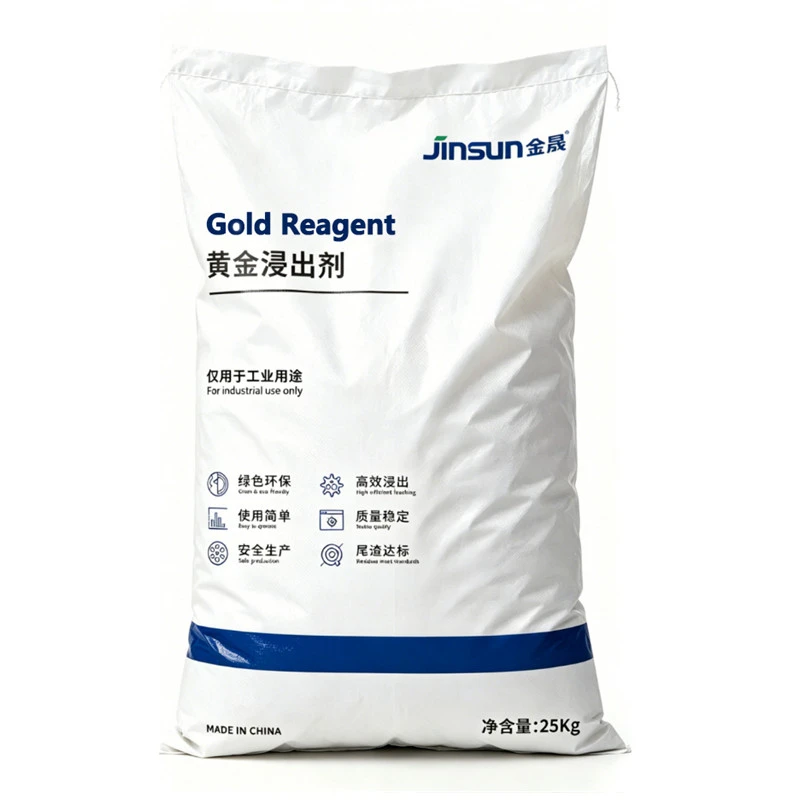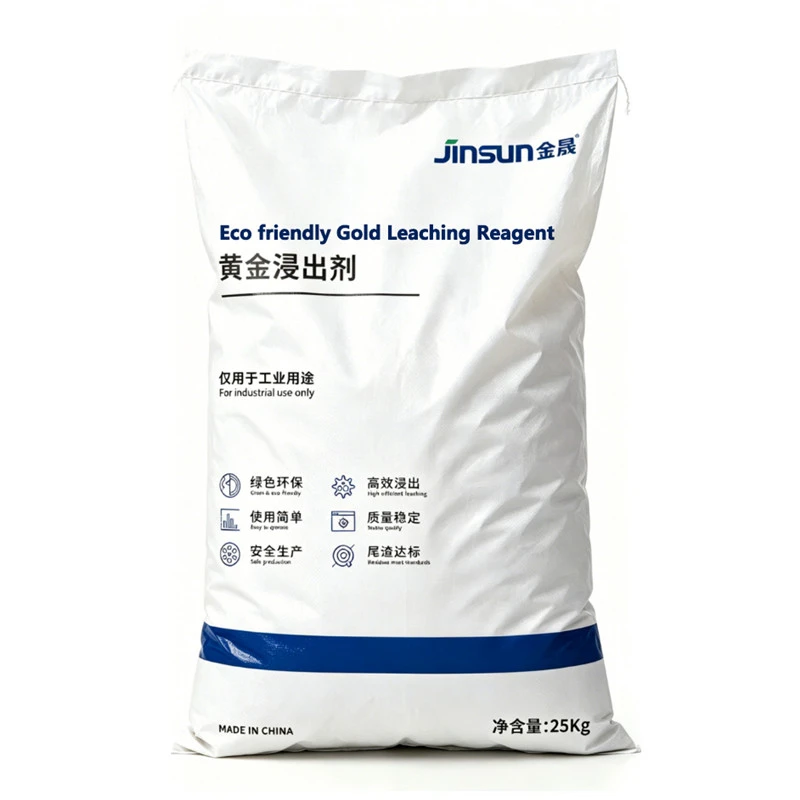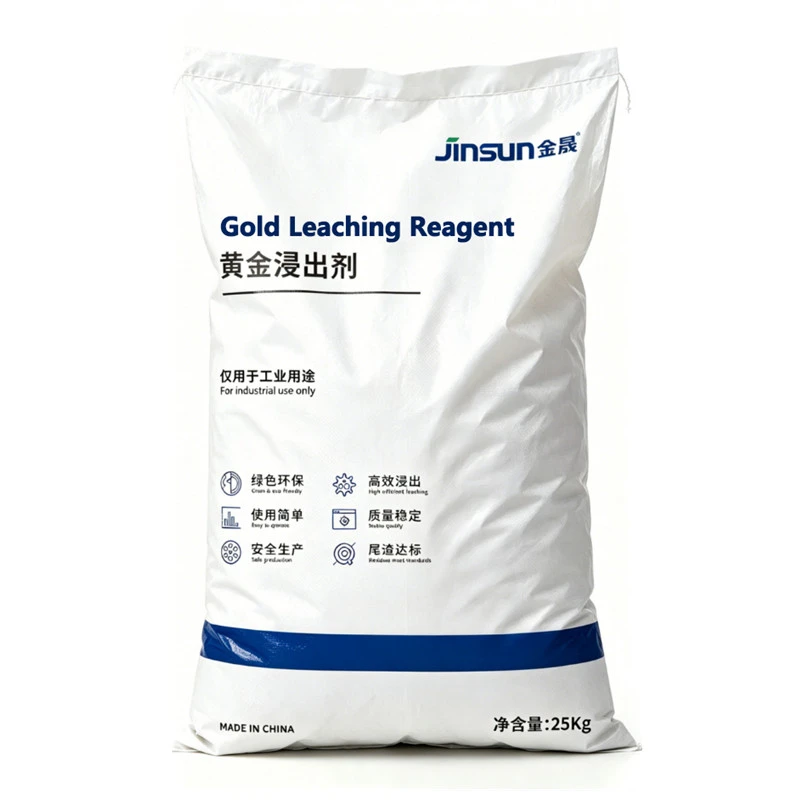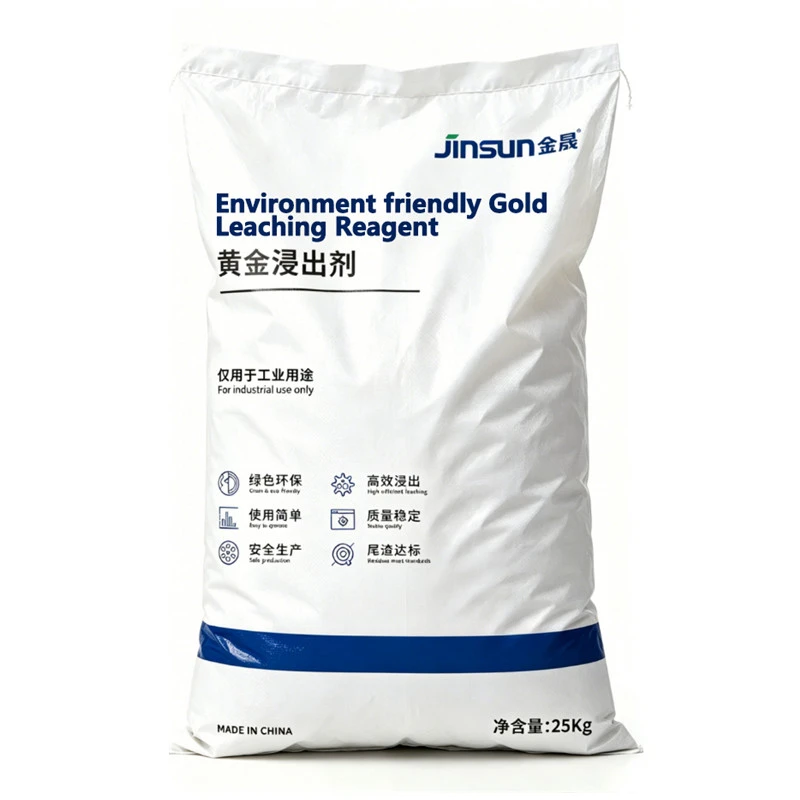
Environmentally friendly complexing salts are a class of low-toxicity, biodegradable salts with complexing capabilities, whose environmental benefits are concentrated in pollution control and resource recycling. They can combine with heavy metal ions (such as copper, nickel, and lead) through complexation reactions to form stable, water-soluble complexes, preventing heavy metal precipitation in water or soil and reducing their biotoxicity. They are commonly used in industrial wastewater treatment, significantly improving heavy metal removal rates. In the electroplating industry, they can replace traditional cyanide complexing agents, reducing emissions of highly toxic substances while ensuring coating quality. In the metallurgical field, they can selectively complex target metals in ores, reducing acid and alkali consumption during smelting and decreasing waste generation.
Furthermore, they are highly biodegradable, do not easily accumulate in the environment after use, and the complexation products are easily separated and recovered through subsequent processes, achieving resource recycling. Compared to ordinary complexing salts, environmentally friendly complexing salts pose no risk of secondary pollution, aligning with green production principles. They are widely used in chemical, environmental protection, and mining industries, and are important materials for promoting pollution control and sustainable development.