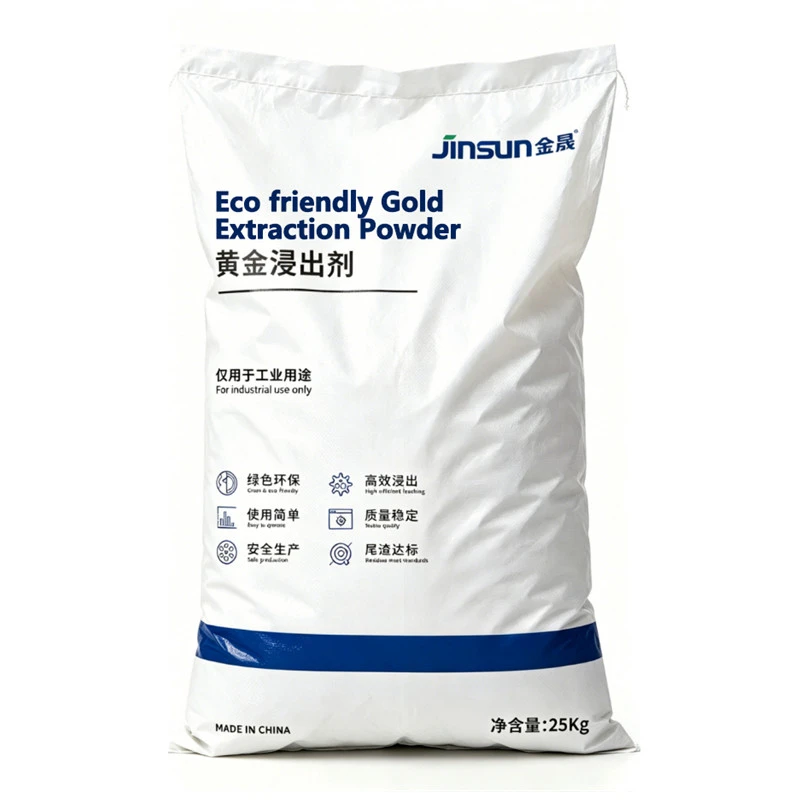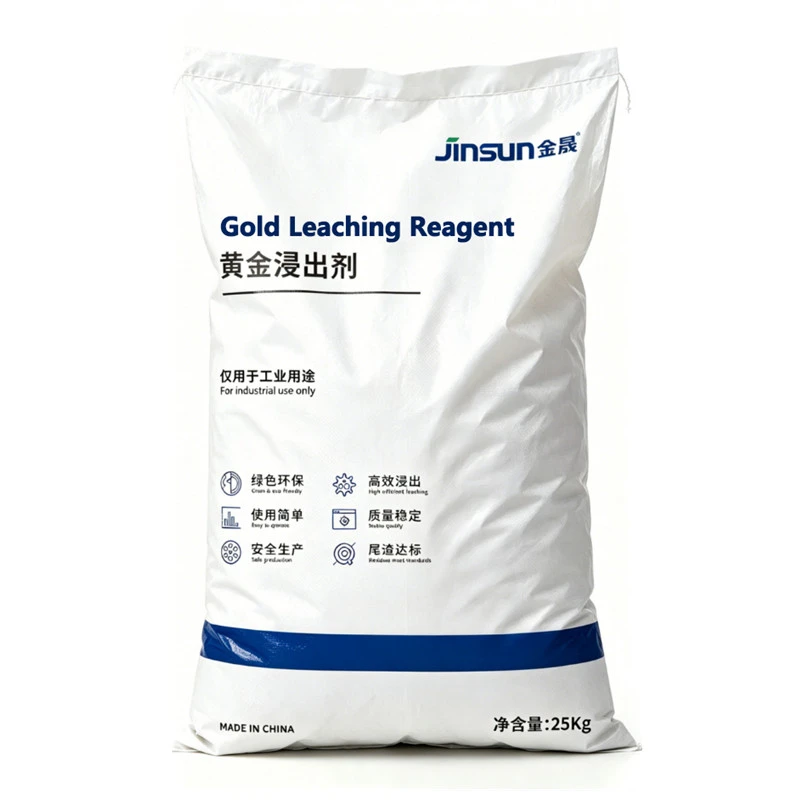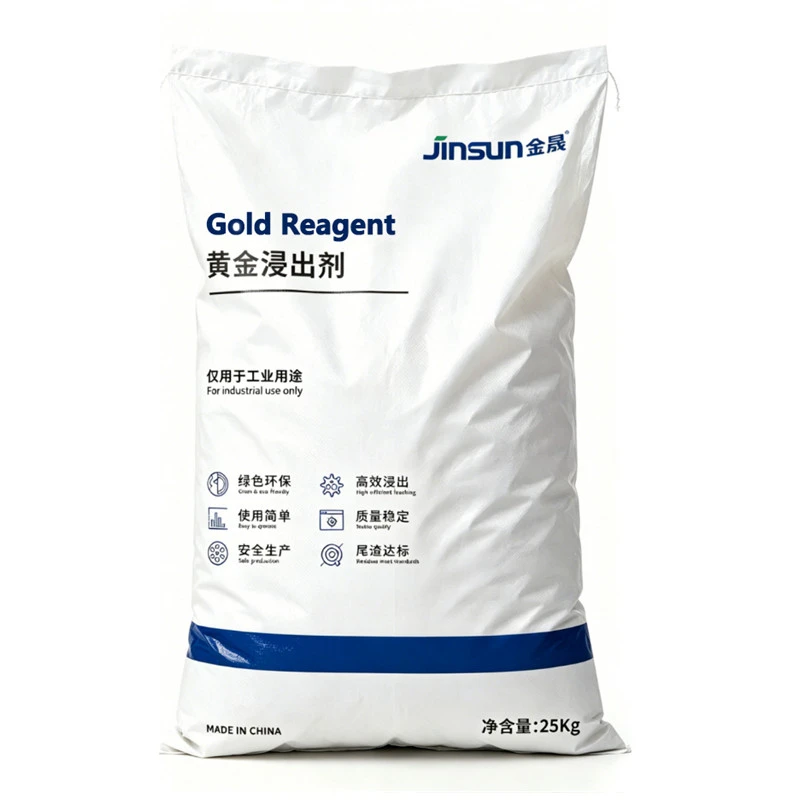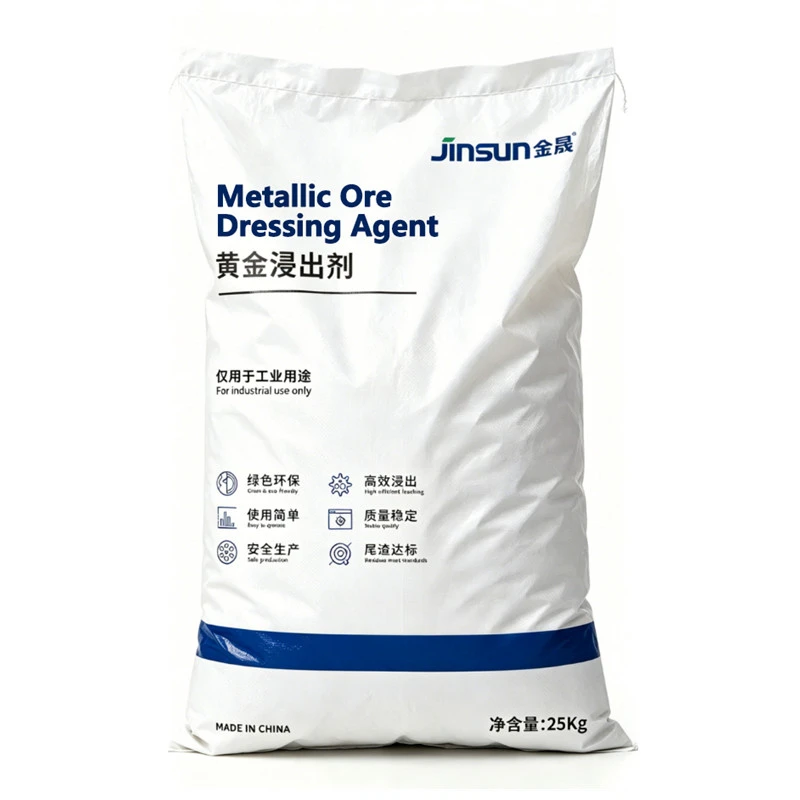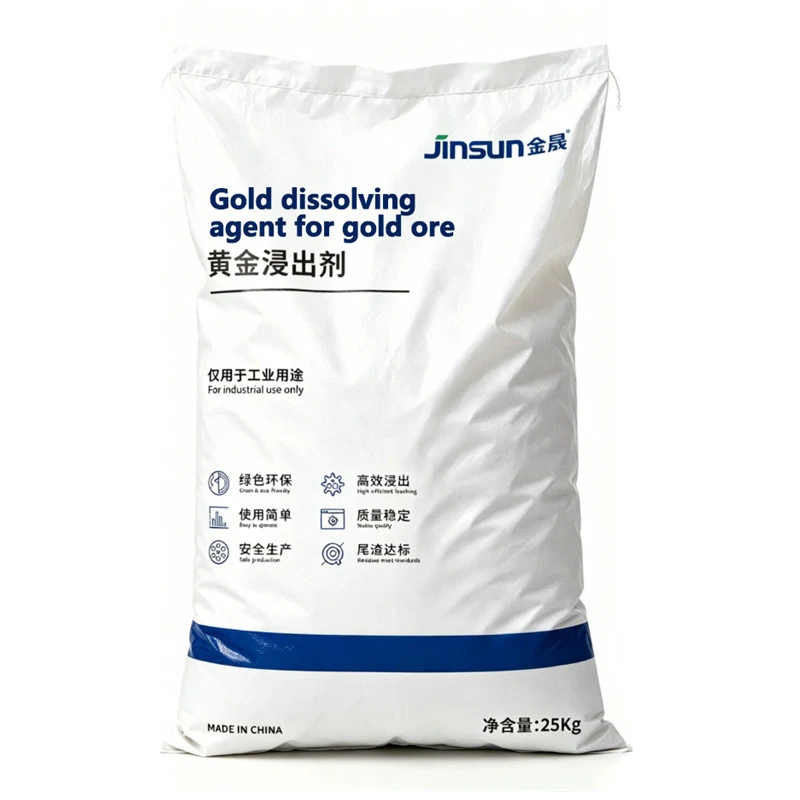

Over the years, I've been deeply involved in the business of supplying metallic gold ore dressing agents. It's been an incredible journey watching how these agents have evolved. Let's take a stroll through time and see how they've changed.
Back in the day, the methods for gold ore dressing were pretty basic. Mercury was one of the earliest agents used for gold extraction. It was simple - mercury would bind with gold particles, forming an amalgam. Miners would then heat the amalgam to vaporize the mercury, leaving behind the gold. But this method had some major drawbacks. Mercury is extremely toxic. It not only posed a huge health risk to the miners but also caused severe environmental pollution. The long - term effects of mercury exposure on human health, such as damage to the nervous system, were well - known, but at that time, there weren't many alternatives.
As awareness of environmental and health issues grew, the industry started to look for safer and more efficient ways to extract gold. Cyanide came into the picture. Cyanide leaching became the standard method for gold extraction in the late 19th century. It was a game - changer. Cyanide forms a stable complex with gold, allowing it to be easily separated from the ore. The process was relatively simple and cost - effective, and it could be used on a large scale. Mines around the world adopted this method, and it significantly increased the efficiency of gold extraction.
However, cyanide also had its own set of problems. It's highly toxic, and any accidental release into the environment could have catastrophic consequences. A single cyanide spill could contaminate water sources, kill aquatic life, and make large areas of land uninhabitable. There were also strict regulations regarding its use and storage. Mines had to invest a lot of money in safety measures to prevent leaks and spills.
This is where the evolution of metallic gold ore dressing agents really started to pick up speed. As a supplier, I've witnessed the development of new agents that aim to solve the problems associated with traditional methods.
One of the first alternatives to cyanide was the development of Professional Of Gold Leaching Chemicals. These chemicals are designed to be less toxic than cyanide while still being effective in extracting gold. They work by forming complexes with gold in a similar way to cyanide but are made from less harmful substances. This was a major step forward for the industry, as it allowed mines to continue extracting gold without the same level of environmental and health risks.
The demand for more efficient agents led to the creation of High Efficiency Gold Leaching Agent. These agents are formulated to extract gold more quickly and with a higher recovery rate. They use advanced chemical formulas that can break down the ore more effectively, releasing more gold particles. This not only saves time but also increases the overall yield of gold from the ore. For mines, this means more profit and a more sustainable operation.
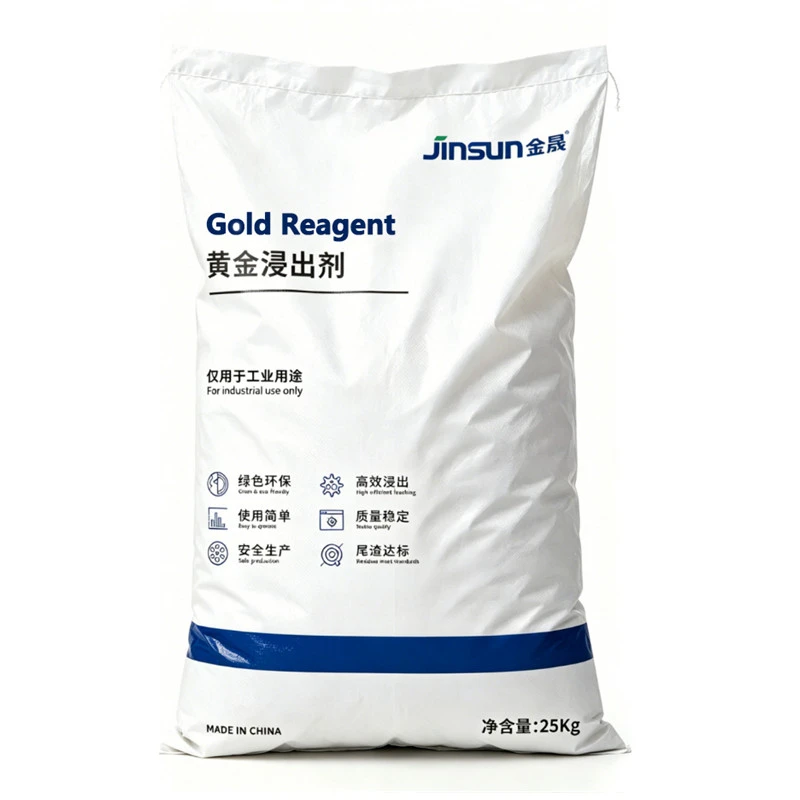
Another important development has been the Gold Reagent. These reagents are designed to be more specific in their action. They can target different types of gold - bearing ores, whether they are low - grade or high - grade. This is crucial because different ores require different extraction methods. By using a more specific reagent, mines can optimize their extraction process and get the most out of their ore reserves.
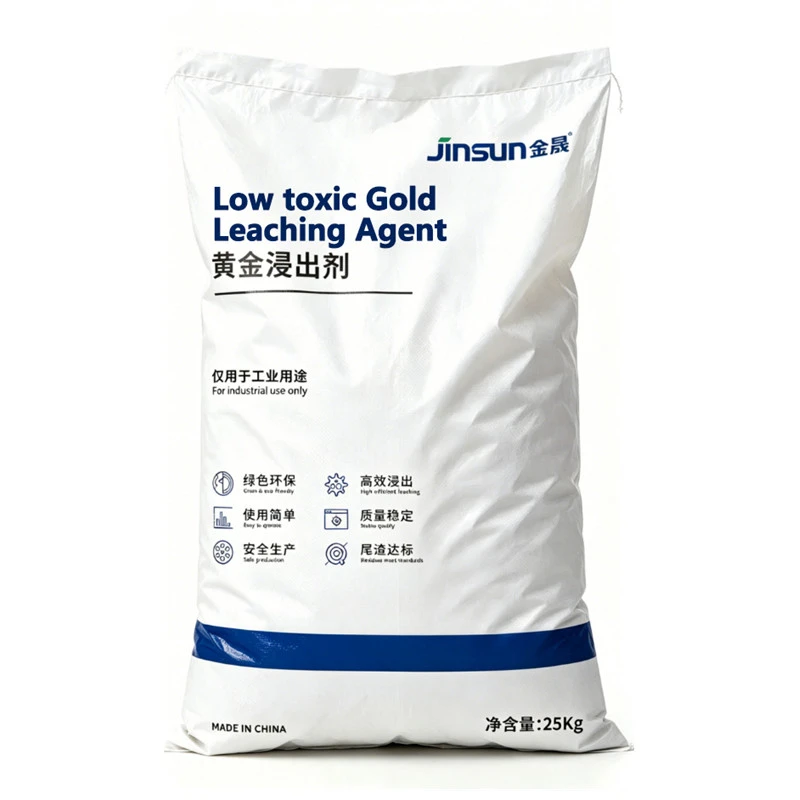
In recent years, there has been a growing focus on Low Toxic Gold Leaching Agent. With increasing environmental regulations and public awareness, the industry is under pressure to find even safer alternatives. These low - toxic agents are made from natural or less harmful chemicals. They still have the ability to extract gold effectively but with a much lower impact on the environment and human health.
The evolution of metallic gold ore dressing agents has also been influenced by technological advancements. For example, modern analytical techniques allow us to better understand the composition of the ore and the behavior of the dressing agents. This knowledge helps in the development of more effective agents. Computer simulations can also be used to predict how an agent will perform under different conditions, which speeds up the research and development process.
As a supplier of Metallic Ore Dressing Agent, I'm excited about the future of this industry. There are still challenges to overcome, such as further reducing the cost of these new agents and improving their performance in complex ore types. But I'm confident that with continued research and innovation, we'll be able to develop even better agents.
If you're in the gold mining business and are looking for a reliable supplier of metallic gold ore dressing agents, I'd love to have a chat. We can discuss your specific needs and find the best solution for your operation. Whether you're dealing with low - grade ores or need a more environmentally friendly option, we've got you covered. Let's work together to make your gold extraction process more efficient and sustainable.
References
- Smith, J. (2015). History of Gold Extraction Methods. Mining Journal.
- Brown, A. (2018). Advancements in Gold Ore Dressing Agents. Chemical Engineering Review.
- Green, C. (2020). Environmental Impact of Gold Extraction Agents. Environmental Science Magazine.