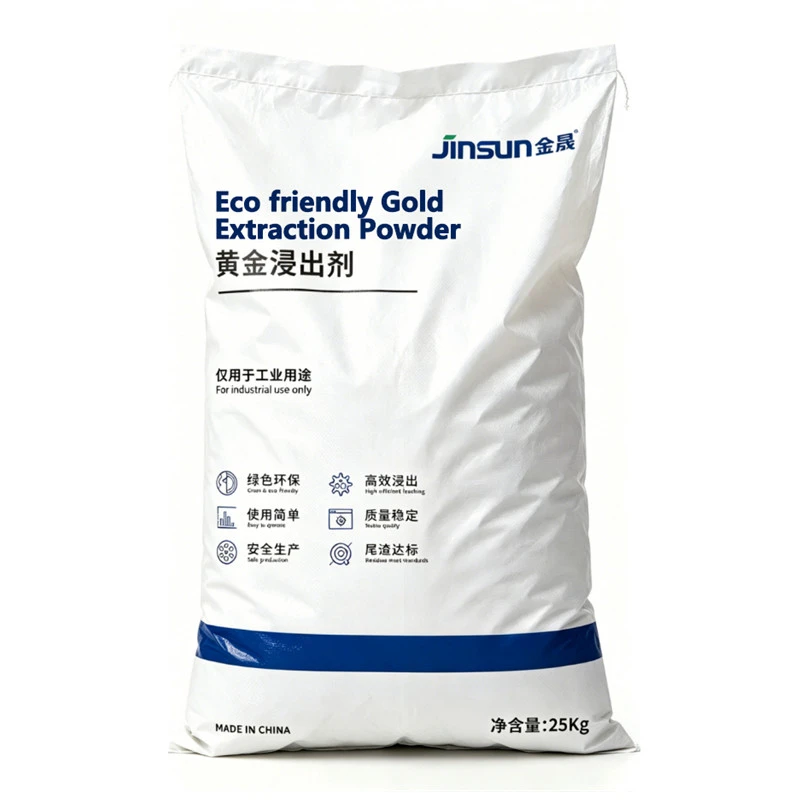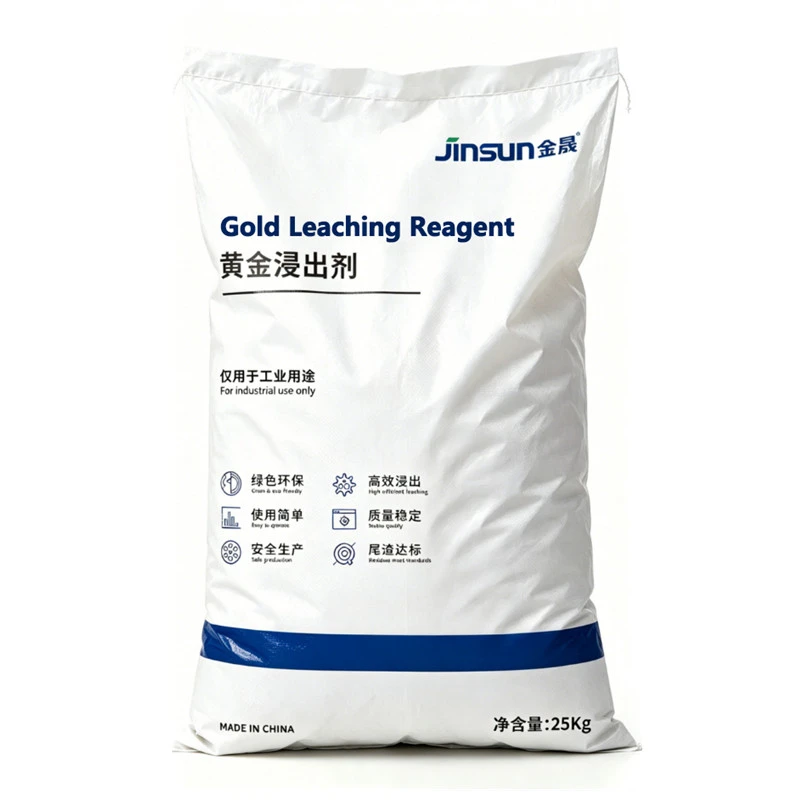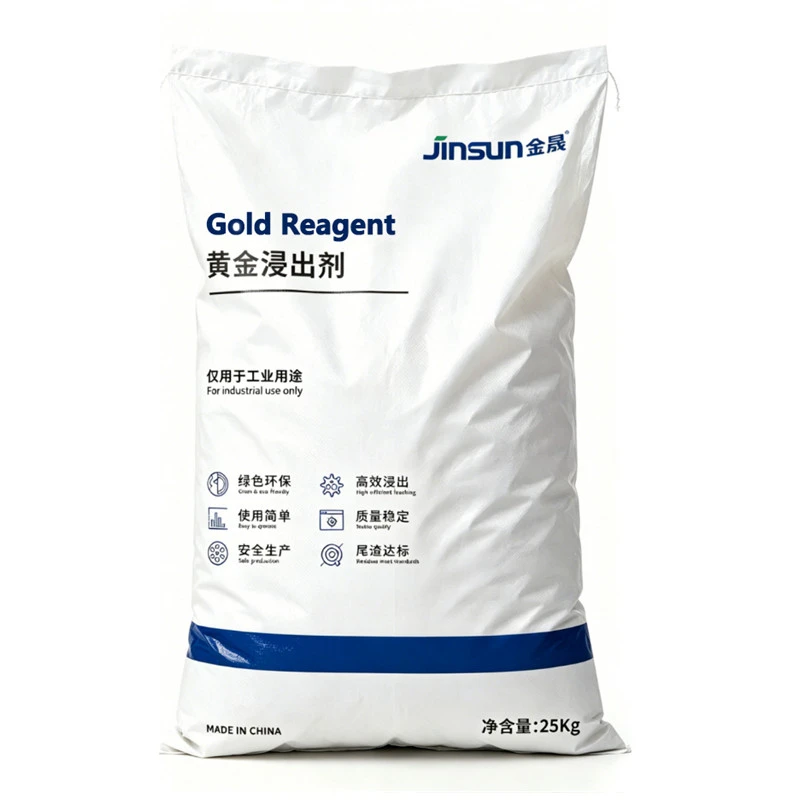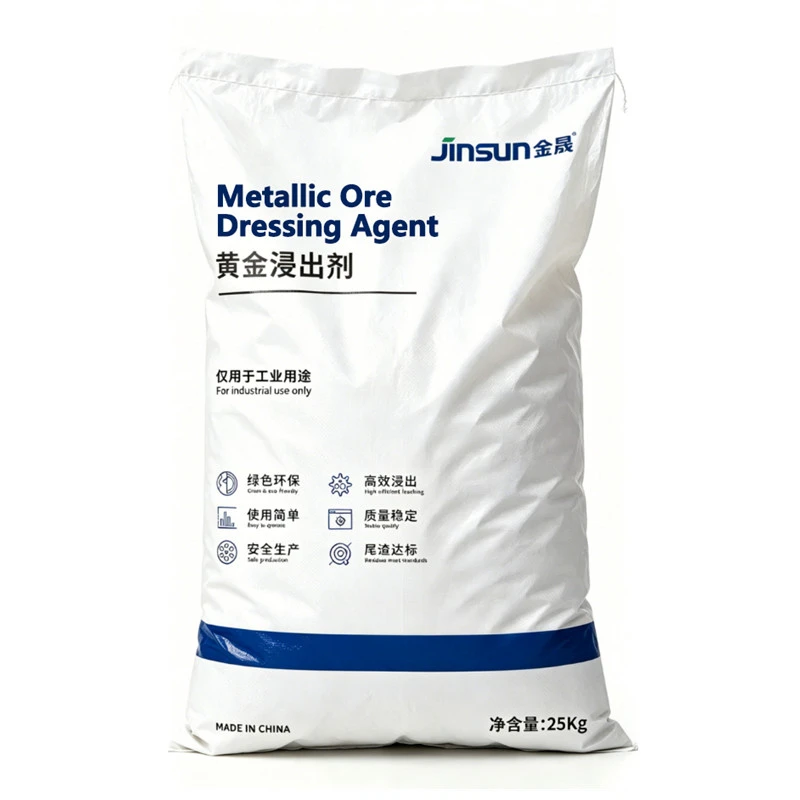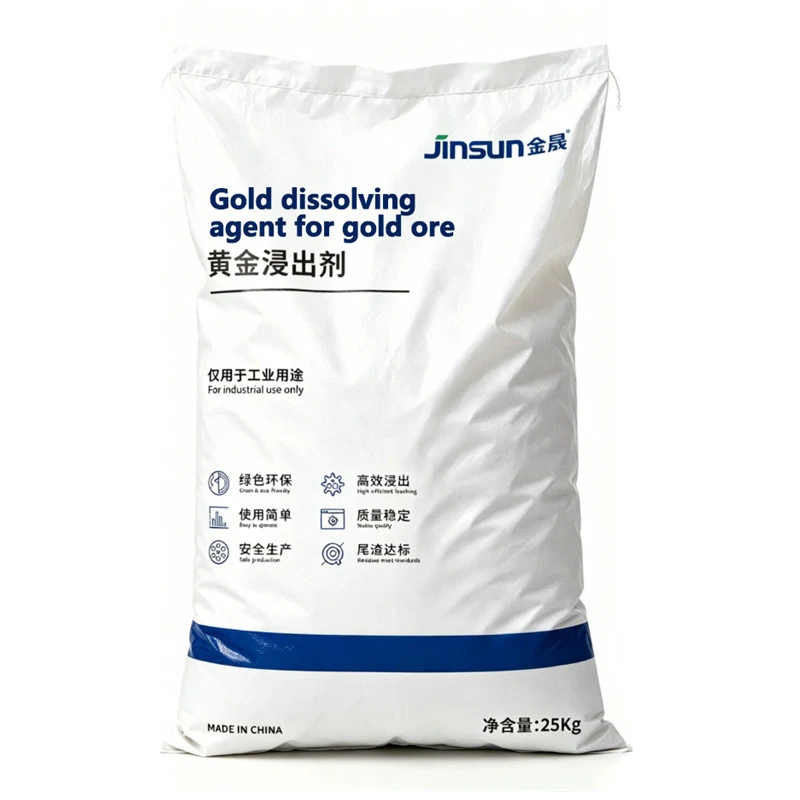

As a supplier of High Efficiency Gold Leaching Agent, I understand the importance of sustainable practices in the gold mining industry. Recycling the leaching agent not only reduces costs but also minimizes environmental impact. In this blog post, I will share some effective methods and considerations for recycling High Efficiency Gold Leaching Agent.
Understanding High Efficiency Gold Leaching Agent
Before delving into the recycling process, it's essential to understand what High Efficiency Gold Leaching Agent is. High Efficiency Gold Leaching Agent is a chemical compound used to extract gold from ore. It offers several advantages over traditional cyanide-based leaching agents, such as higher leaching efficiency, lower toxicity, and better environmental compatibility. You can learn more about it on our website High Efficiency Gold Leaching Agent.
The Need for Recycling
Recycling High Efficiency Gold Leaching Agent is crucial for several reasons. Firstly, it helps to reduce the consumption of fresh leaching agent, which can be costly. Secondly, it minimizes the environmental impact associated with the disposal of used leaching agent. By recycling, we can ensure that the leaching agent is reused, reducing the amount of waste generated and the need for new chemical production.
Recycling Methods
1. Chemical Precipitation
Chemical precipitation is a common method for recycling High Efficiency Gold Leaching Agent. This process involves adding a chemical reagent to the used leaching solution to precipitate the gold and other metals. The precipitate can then be separated from the solution, and the remaining solution can be reused as the leaching agent.
The key to this method is to choose the appropriate chemical reagent. For example, sodium sulfide can be used to precipitate gold from the solution. After precipitation, the solution can be filtered to remove the precipitate, and the filtrate can be adjusted to the appropriate pH and concentration for reuse.
2. Ion Exchange
Ion exchange is another effective method for recycling High Efficiency Gold Leaching Agent. In this process, an ion exchange resin is used to selectively adsorb the gold and other metal ions from the used leaching solution. The resin can then be regenerated to release the adsorbed ions, and the regenerated resin can be reused.
The advantage of ion exchange is that it can achieve high selectivity and recovery of gold. However, it requires careful selection of the ion exchange resin and optimization of the operating conditions. You can find more information about gold ore processing reagents, including ion exchange resins, on our website Gold Ore Processing Reagent.
3. Membrane Filtration
Membrane filtration is a relatively new method for recycling High Efficiency Gold Leaching Agent. This process uses a membrane to separate the gold and other metal ions from the used leaching solution. The membrane can be made of different materials, such as ceramic or polymer, and can have different pore sizes to achieve different separation efficiencies.
The advantage of membrane filtration is that it can achieve high separation efficiency and can be operated continuously. However, it requires careful maintenance of the membrane to prevent fouling and clogging.
Considerations for Recycling
When recycling High Efficiency Gold Leaching Agent, there are several considerations that need to be taken into account.
1. Quality Control
It's important to ensure that the recycled leaching agent meets the quality requirements for gold leaching. This may involve testing the recycled solution for its chemical composition, pH, and leaching efficiency. If the quality of the recycled solution is not satisfactory, appropriate measures need to be taken to adjust it.
2. Environmental Impact
Although High Efficiency Gold Leaching Agent is more environmentally friendly than traditional cyanide-based leaching agents, it's still important to minimize the environmental impact during the recycling process. This may involve proper disposal of the waste generated during the recycling process and ensuring that the recycled solution does not contain any harmful substances.
3. Cost-Effectiveness
The recycling process should be cost-effective. This may involve comparing the cost of recycling with the cost of using fresh leaching agent. If the cost of recycling is too high, it may not be economically viable.
Conclusion
Recycling High Efficiency Gold Leaching Agent is an important practice in the gold mining industry. By using methods such as chemical precipitation, ion exchange, and membrane filtration, we can effectively recycle the leaching agent, reduce costs, and minimize environmental impact. However, it's important to consider factors such as quality control, environmental impact, and cost-effectiveness when implementing the recycling process.
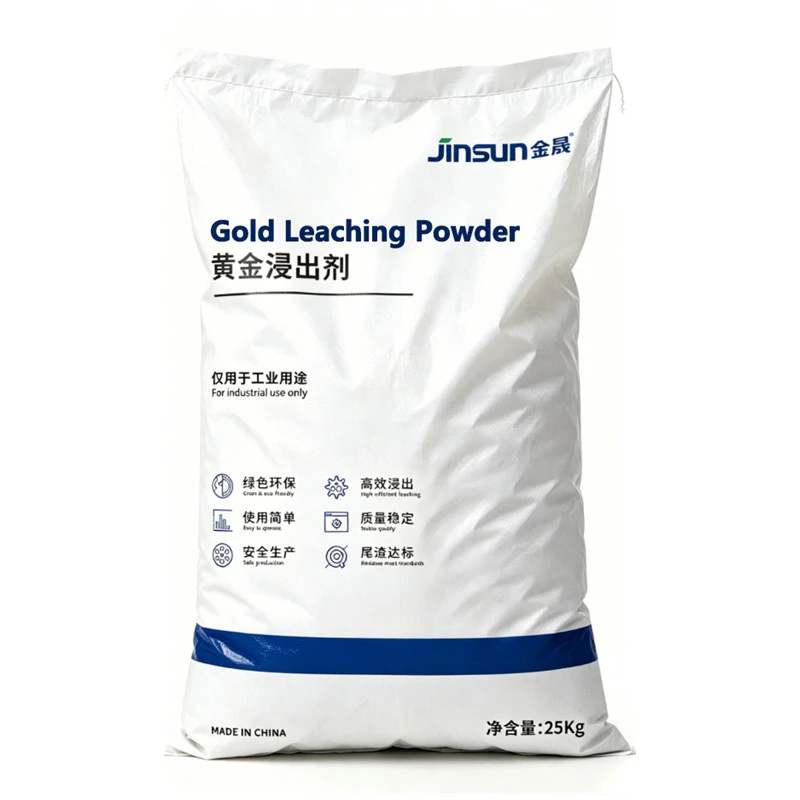
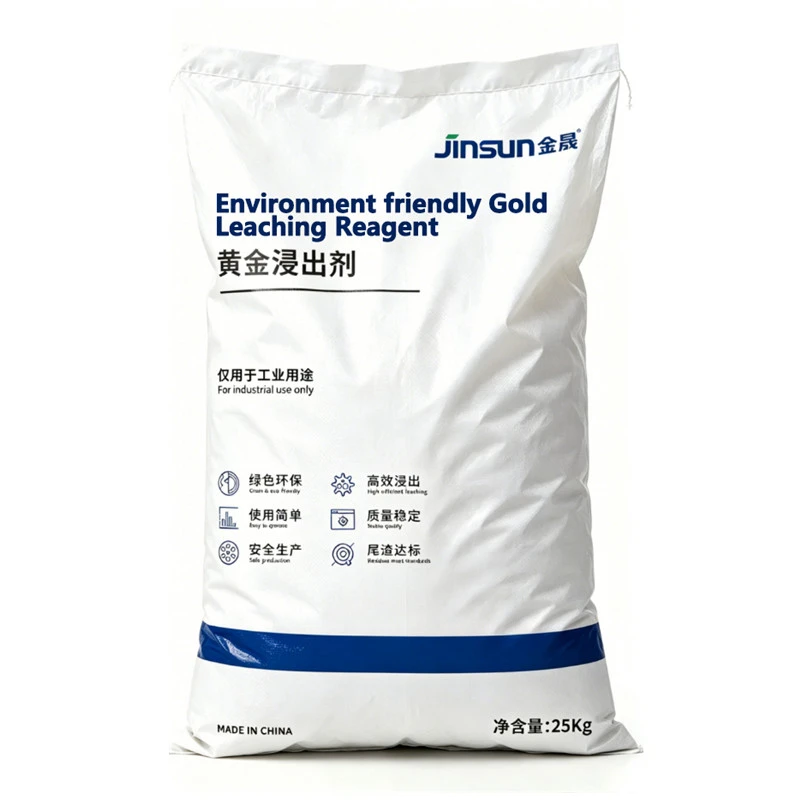
If you are interested in our High Efficiency Gold Leaching Agent or other gold dressing agents, such as Gold Leaching Powder, Professional Of Gold Leaching Chemicals, and Environment Friendly Gold Leaching Reagent, please feel free to contact us for more information and to discuss your procurement needs.
References
- Smith, J. (2020). Gold Leaching Technology. Mining Journal.
- Johnson, A. (2019). Recycling of Chemicals in Gold Mining. Environmental Science Review.